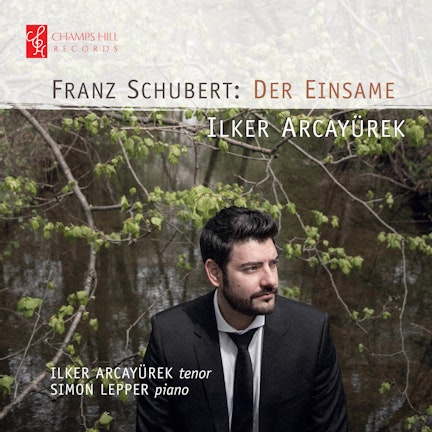
Tassis Christoyannis, the baritone on this recording, studied piano, singing, conducting, and composition at the Athens Conservatory before performing major roles across Europe and New York.
Composer's Artistic Vision
Saint-Saëns's mélodies reflect his eclecticism, curiosity in choosing authors and texts, and his harmonic experiments, attachment to the French language, and intimate relationship with poetry.
Composition History
The Mélodies persanes, Saint-Saëns's first song cycle, was composed in 1870, during the transitional period of the fall of the Second Empire and the rise of the Third Republic.
Compositional Technique
Saint-Saëns described his La Cendre rouge mélodies as "not very melodic" and unlike his previous work or that of others, featuring a dense and virtuosic piano part.
Composer Biography
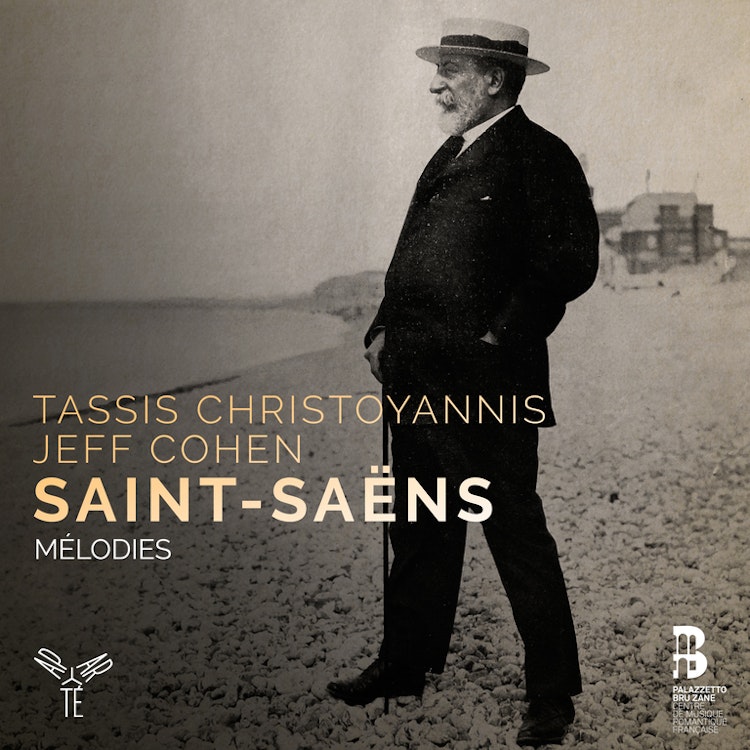
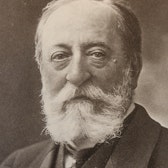
Camille Saint-Saëns composed over 150 mélodies, starting at age five and a half and continuing until months before his death in 1921.
Composition History
The cycle La Cendre rouge was born from a close collaboration between Saint-Saëns and the poet Georges Docquois, who reminded the composer of a promise to set his verses to music.
Composer's Artistic Vision
Saint-Saëns believed music and poetry should rely on each other, with musicians setting verse like diamonds and poets understanding how music expands their possibilities.