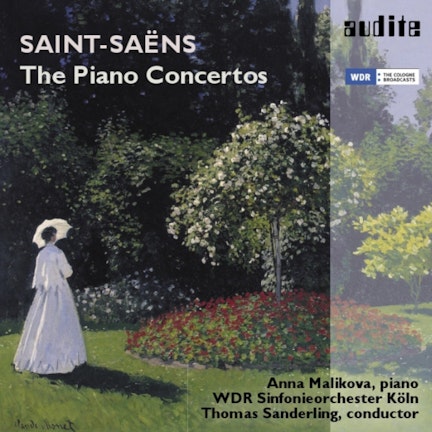
Camille Saint-Saëns, the composer, was considered a child prodigy on the piano, making his public debut at age eleven playing works by Beethoven and Mozart.
Recording & Production
This recording uses 24-bit / 96 kHz technology, which offers a dynamic range up to 48 dB greater and 256 times the resolution of standard 16-bit recordings.
Compositional Technique
The Fourth Piano Concerto has an unusual structure, consisting of two halves, with the first half having two sections and the second half having three.
Composition History
Saint-Saëns's Piano Concerto No. 2 was commissioned by Anton Rubinstein, a Russian pianist and composer, and premiered in 1868.
Historical Context
Until his mid-forties, Saint-Saëns was a progressive figure in French music, maintaining ties with Franz Liszt, a Hungarian composer, and fighting against the superficiality of salon and opera music.
Composition History
The first movement of Saint-Saëns's Piano Concerto No. 2 includes a borrowing from a 'Tantum ergo' motet by Gabriel Fauré, a French composer and Saint-Saëns's former student.
Performer Biography
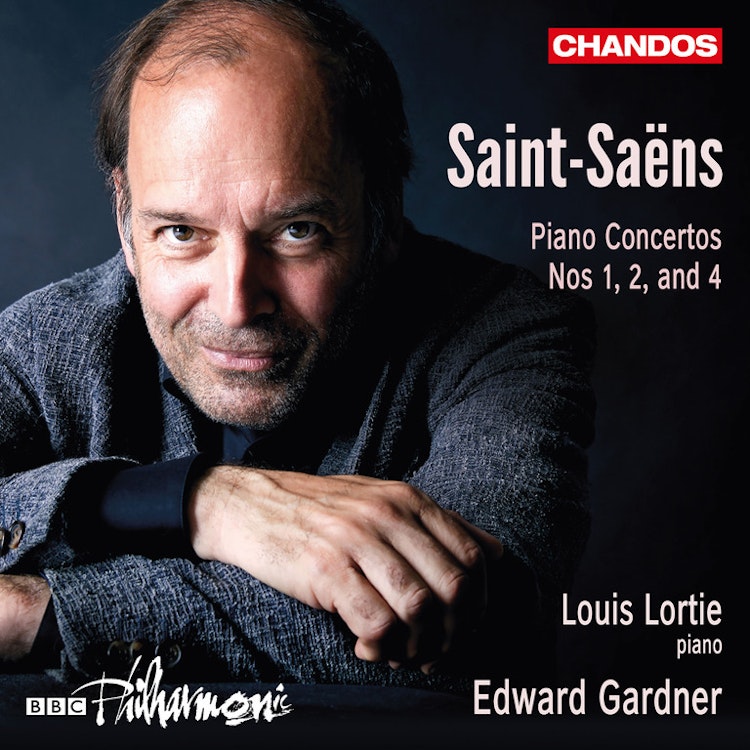
Louis Lortie, the pianist on this recording, has a thirty-year relationship with Chandos Records and has produced over forty-five recordings, including a complete Beethoven sonata cycle.
You might also enjoy...
Stojowski: Piano Concertos Nos. 1 & 2 (Hyperion Romantic Piano Concerto 28)
Piano Concerto No. 1, Concert Fantasy
Artur Rubinstein Performs... Nights in the Gardens of Spain
Stravinsky: Concerto for Piano & Wind Instruments
FIELD: Piano Concertos Nos. 1 and 3
Camille Saint-Saëns: Piano Concertos Vol. I
J.S. Bach: Keyboard Concerto in F Minor, BWV 1056: II. Largo
Pann: Piano Concerto / Dance Partita / Deux Sejours
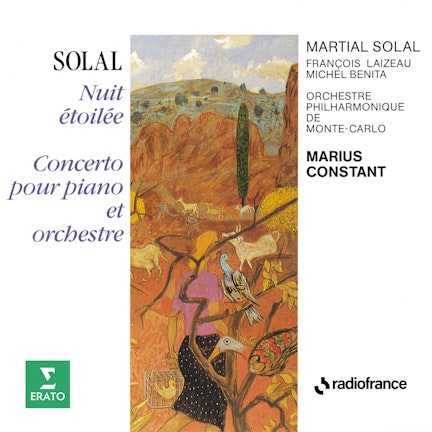
Solal: Nuit étoilée & Concerto pour piano et orchestre
July
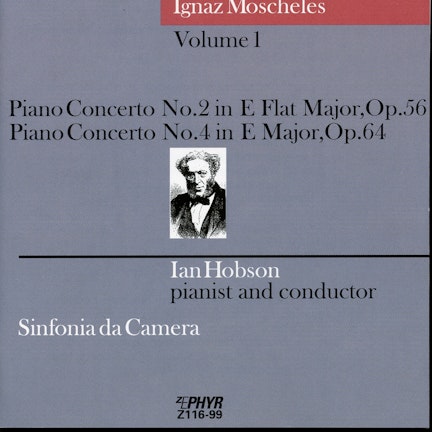
Moscheles: Piano Concertos Nos. 2 & 4
Reinecke: Piano Concerto No. 3 in C Major, Op. 144: II. Largo