Salgado believed the twelve-tone system, a modernist compositional technique, could preserve the nationalist character of vernacular music by including triads and rhythms that highlight its Andean origin.
Composer Biography
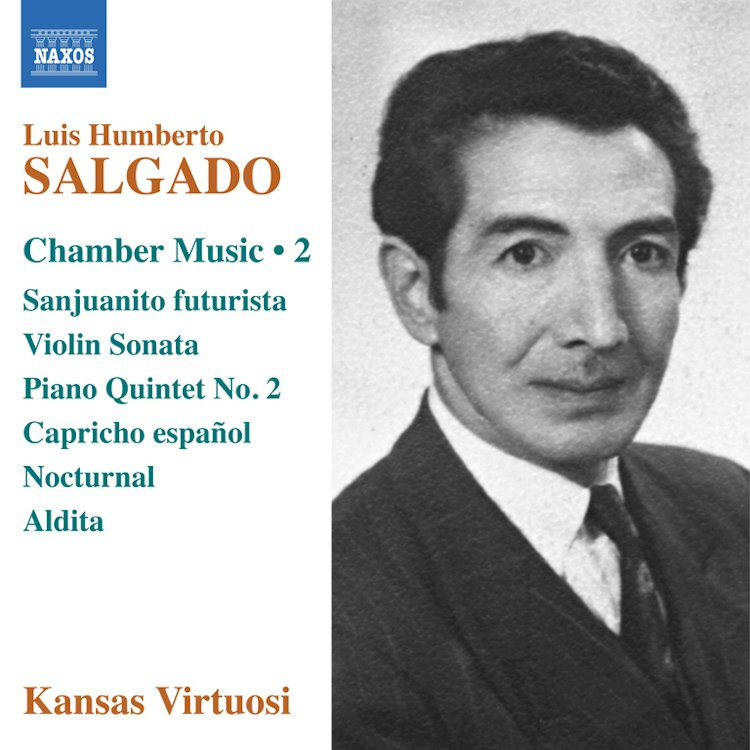
Luis Humberto Salgado, an Ecuadorian pianist and composer, was essentially self-taught in composition, never leaving Ecuador to study.
Recording & Production
Many of Salgado's compositions remained 'invisible' after his death because they were left in handwritten manuscripts, posing challenges for musicians.
Critical Reception
Salgado's compositional style was considered too 'advanced' for his time, leading to most of his symphonic and chamber music works not being performed during his lifetime.
Compositional Technique
Salgado often replaced the traditional movements of cyclic forms (like fast-slow-fast) in his symphonies, sonatas, and chamber music with Ecuadorian folk dances such as the albazo, yaraví, and sanjuanito.
Recording & Production
The University of Kansas School of Music, in collaboration with Ecuador's Ministry of Culture, launched a project to engrave and record Salgado's chamber music, much of which is recorded for the first time on Naxos.
Composer's Artistic Vision
Salgado was an eclectic composer who blended nationalist and modernist musical aesthetics, incorporating both Ecuadorian folk music and contemporary techniques like twelve-tone.
You might also enjoy...
Karol Rathaus: Chamber Works
Various: Canciones españolas
Seiber: Chamber Works and Songs
The World's Highway
Stravinsky: Histoire Du Soldat Suite - Renard
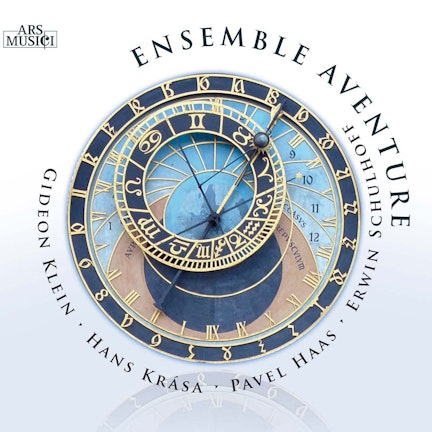
Klein / Krása / Haas / Schulhoff: Ensemble Aventure
Folk Songs of the World
Schubert: Piano Quintet in A Major, Op. 114, D. 667 "Trout"
Liebesleid
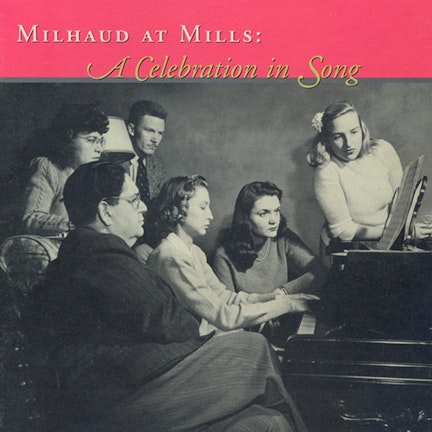
Milhaud: Songs (A Celebration in Song)
Vocal Recital: Field, Lucille - Rogers, P. / Crawford, R. / Van De Vate, N. / Gideon, M. / Price, F. / Klotzman, D.