John Cage, a highly influential American composer, was deeply influenced by Satie, considering him a lifelong musical and intellectual reference.
Composition History
The Gnossiennes n°4 to 6 were only published in 1968 by Robert Caby, one of Satie's last friends, who helped rediscover some of his works.
Composition History
Germaine Tailleferre, a member of Les Six, was personally encouraged by Satie, who declared her his "musical daughter" after hearing her piano pieces.
Recording & Production
The album features a Blüthner piano from 1900 for most Satie works and a Pleyel upright from 1923 for "Je te veux" to capture an authentic cabaret sound.
Cultural Impact
Erik Satie is considered a spiritual father by American minimalists like Philip Glass, Steve Reich, John Adams, Terry Riley, and La Monte Young.
Critical Reception
Satie's music is rarely studied in conservatories or played in concerts, as it is often deemed too easy and not virtuosic enough for classical pianists.
Composer's Artistic Vision
Satie often annotated his scores with enigmatic poetic indications, especially in his Gnossiennes, rather than traditional musical markings.
You might also enjoy...
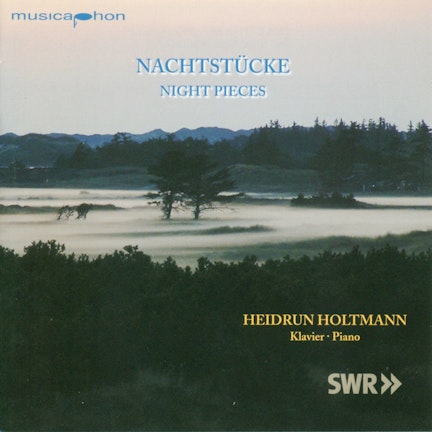
Piano Recital: Holtmann, Heidrun - Schumann, R. / Liszt, F. / Chopin, F. / Scriabin, A. / Debussy, C. / Ravel, M. / Szymanowski, K. (Night Pieces)
Mompou: Piano Music - Canciones y Danzas, Preludes etc.