Noriko Ogawa, the pianist on this album, has received the Art Prize of the Japanese Ministry of Education for her outstanding contribution to Japan's cultural profile worldwide.
Instruments
This recording features Noriko Ogawa playing on an 1890 Érard Grand Piano No. 69351.
Composition History
Satie's ballet 'uspud' was presented as having been performed at the Théâtre National de l'Opéra in Paris, but this was a private performance for the director, who had been threatened with a duel if he refused to listen.
Compositional Technique
Satie's music from his mystical period, with its purity and abstraction, is considered surprisingly modern and reminiscent of American minimalists from the 1960s and 1970s.
Album & Artwork
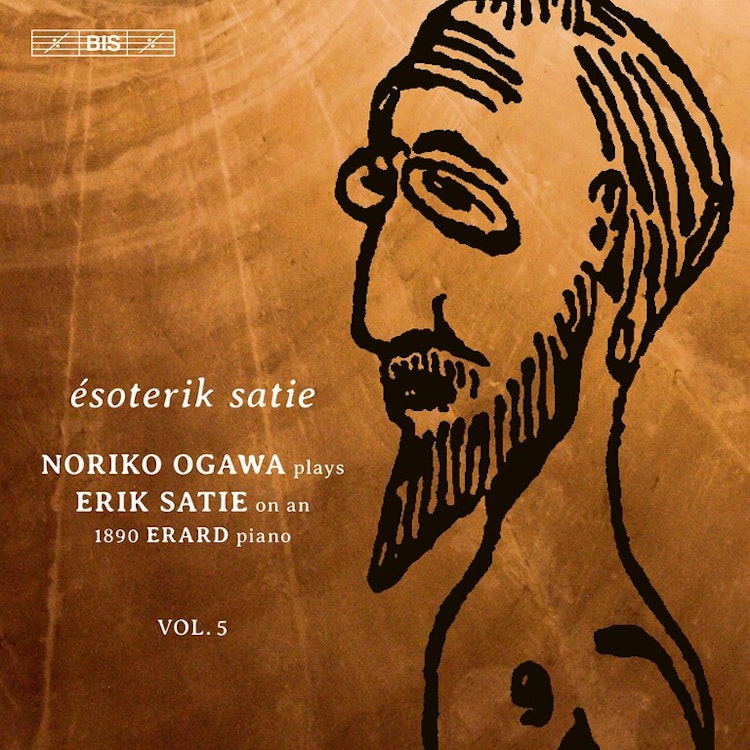
The album title, 'Ésoterik Satie', comes from a nickname given to Erik Satie by writer and humorist Alphonse Allais, whom Satie met at the cabaret Le Chat Noir.
Composer's Artistic Vision
Erik Satie's music from his mystical period deliberately broke with the classical-romantic tradition, avoiding pathos and using simplified rhythms and chord sequences that departed from classical harmony.
Composer Biography
Erik Satie referred to the prestigious Paris Conservatoire as a 'penitentiary'.
You might also enjoy...
Satie: Gymnopedies
Satie : Oeuvres pour piano
Satie : Piano Works
Satie: Jack-in-the-Box & Other Piano Favourites
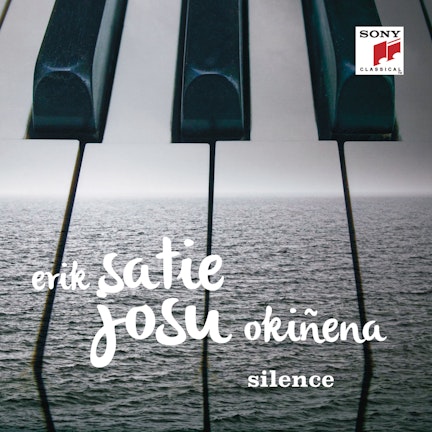
Silence
Satie: Pièces humoristiques, Nocturnes & Other Works
Satie: Complete Piano Music, Vol. 4
La Route blanche: The Endlessly Surprising Eric Satie
Satie: Piano Music
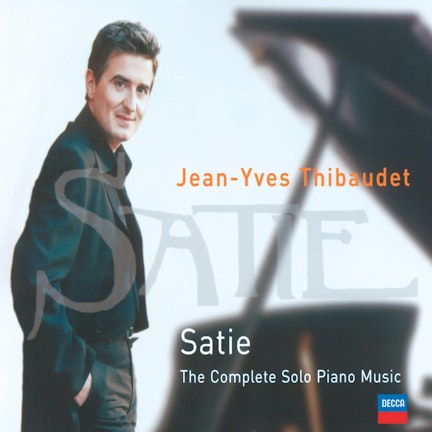
Satie: The Complete solo piano music
Satie: Complete Piano Works, Vol. 2/2
Satie: Piano Works, Vol. 1
Satie: Gymnopédies, Gnossiennes, Sports et Divertissements