Robert Schumann, who disliked Scarlatti's music, described it as inconsistent, elusive, rhapsodic, and difficult to follow, with clumsiness of form and limited modulation.
Cultural Impact
Andrés Segovia, a world-acclaimed virtuoso, helped Scarlatti's music enter the guitar repertoire with his transcription of Sonata K. 481, published in 1935.
Interpretation
While it is common today to hear Domenico Scarlatti's music on guitar, the association between guitarists and his harpsichord music was slow to develop.
Composer's Artistic Vision
Scarlatti's music often echoes guitar playing, using techniques like rasgueado (rapid strumming), arpeggios, and repeated notes, contributing to its Hispanic character.
Composer Biography
Before moving to Portugal in 1719, Domenico Scarlatti lived in Italy for 34 years, working as an organist, harpsichordist, and composer in cities like Naples, Florence, Venice, and Rome.
Composer Biography
Domenico Scarlatti's father, Alessandro Scarlatti, was one of the most important musicians and opera composers of his time.
Compositional Technique
Ralph Kirkpatrick, in his 1953 biographical essay on Scarlatti, dedicated an entire paragraph to "The Influence of the Spanish Guitar" on Scarlatti's music.
You might also enjoy...
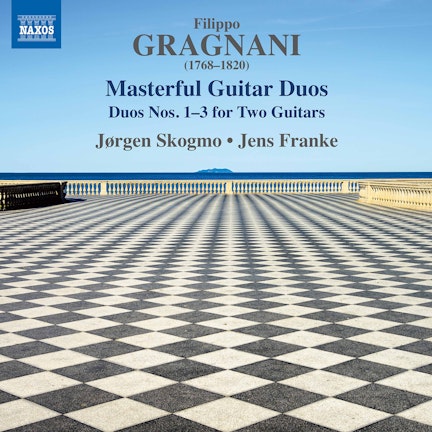
Gragnani: Masterful Guitar Duos
ESPAÑA LA MUSA • Susanne Mebes & Joaquim Freire (Guitars) play Scarlatti, Rossini, Granados, Albéniz
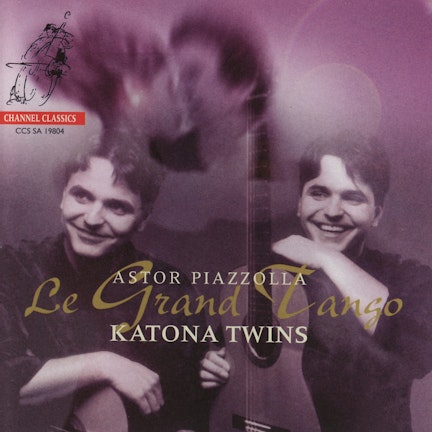
Le Grand Tango
Guitar Duets
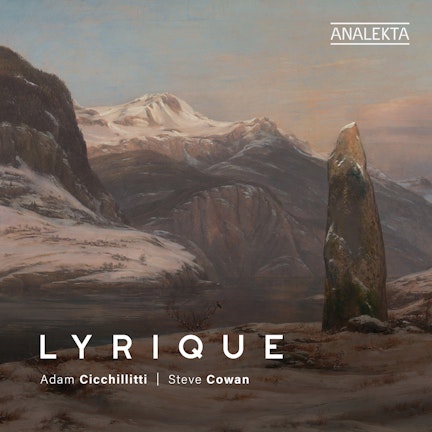
Lyrique
Lhoyer: Guitar-Duos Vol. 1
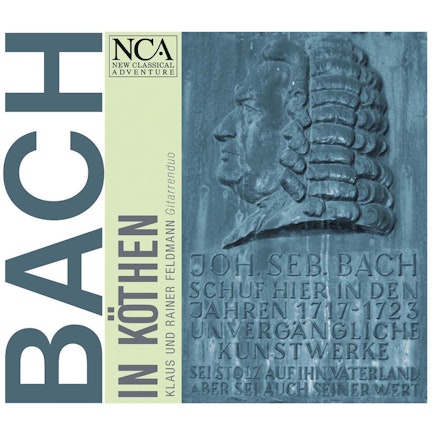
J.S. Bach: In Köthen
Bach, JS: Goldberg Variations: Variation XXI. Canone alla settima
Focus
Gilardino: Homage to Naples
Lhoyer: 3 Duo Concertants, Op. 31 - Duo Concertant, Op. 34, No. 2