All of Scarlatti's Sonatas follow a binary (two-part) structural design, a common architectural pattern in instrumental music of his time.
Composer Biography
Domenico Scarlatti, son of the famous opera composer Alessandro Scarlatti, spent over half of his creative life on the Iberian Peninsula, where his Neapolitan origins assimilated with local culture.
Performer Biography
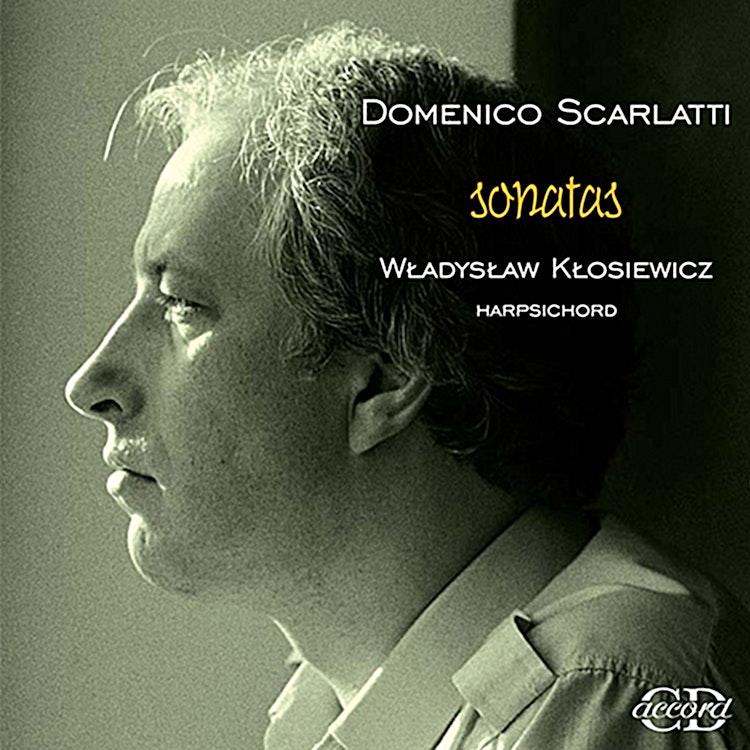
Władysław Kłosiewicz, the harpsichordist on this recording, was the last pupil of Ruggero Gerlin, who was a close associate of Wanda Landowska, a renowned harpsichordist.
Composer's Artistic Vision
Scarlatti's Sonatas draw heavily on dance forms and melodies from Italian, Portuguese, and especially Spanish folklore, making him a precursor to later Spanish composers like Albéniz and Granados.
Composition History
Scarlatti wrote his Sonatas for didactic purposes, as harpsichord exercises, similar to Bach's Partitas and Goldberg Variations.
Compositional Technique
Scarlatti's Sonatas are unique in his output, as his other works, like operas and sacred music, adhere to the stylistic conventions of the era.
Compositional Technique
The Sonatas primarily feature fast or very fast tempos, with only a few exceptions offering moments of quiet reflection.
You might also enjoy...
D. Scarlatti: Keyboard Sonatas
Scarlatti 1
Scarlatti: Complete Sonatas, Vol. 2 - The Italian Manner
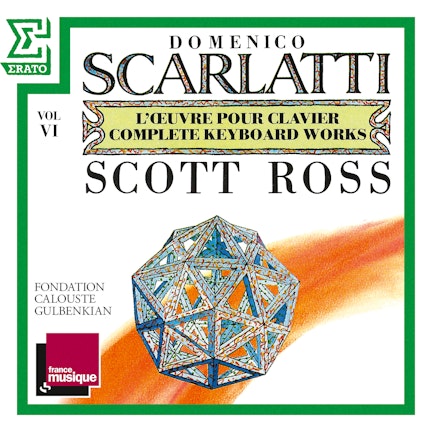
Scarlatti: The Complete Keyboard Works, Vol. 6: Sonatas, Kk. 110 - 130
D. Scarlatti: Keyboard Sonatas
Scarlatti: Sonatas
Scarlatti: Keyboard Sonatas
Scarlatti: Sonate per cembalo, 1742, Vol. 2
Scarlatti: 18 Sonatas for Harpsichord
Scarlatti: Selected Keyboard Sonatas
Scarlatti: The Complete Keyboard Works, Vol. 18: Sonatas, Kk. 353 - 372