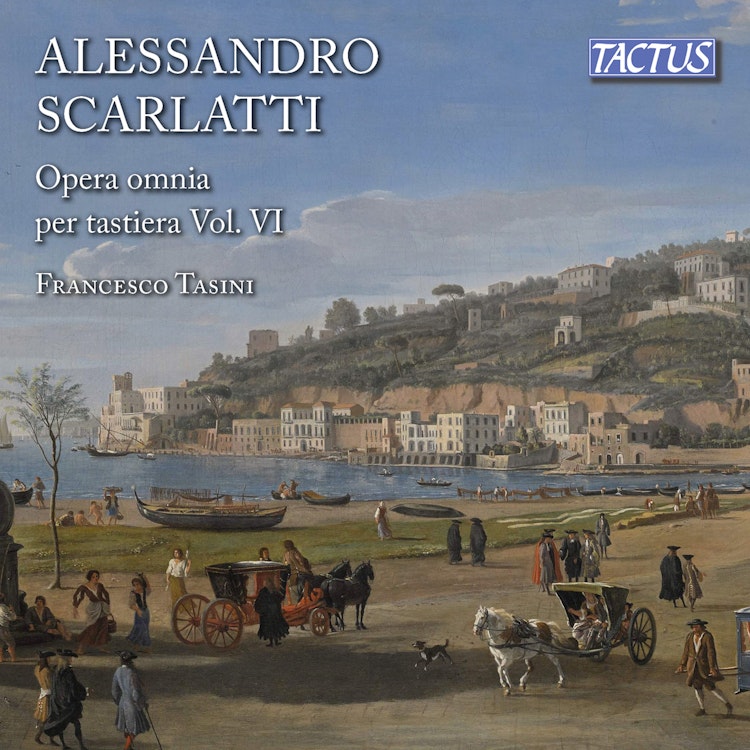
This album is the sixth CD in a project to record the complete keyboard works of Alessandro Scarlatti, performed on harpsichord and organ.
Compositional Technique
Many of Scarlatti's variations on a 'Basso obligato' include 'segnature numeriche' (numerical markings), indicating the composer's intention for the performer to add an extemporaneous, supplementary accompaniment.
Composition History
The recording project for Alessandro Scarlatti's complete keyboard works originated from a decade-long study and publication plan of 25 manuscript sources containing his keyboard music.
Compositional Technique
Scarlatti's 'Varie Introduttioni' also demonstrate the practice of keyboard improvisation, featuring his characteristic 'acciaccaturas' and showing similarities to works by his friend Bernardo Pasquini, a contemporary composer.
Compositional Technique
Alessandro Scarlatti's 'Varie Introduttioni' are 17 miniature toccatas or short intonations designed to teach students the 'noble bearing of the hands' and serve as preparatory studies for his longer toccatas.
Composer Biography
Alessandro Scarlatti was admitted to the 'Accademia degli Arcadi' in Rome under the pseudonym Terpandro Azeriano, referencing the ancient Greek lyre player Terpander of Antissa.
Historical Context
Alessandro Scarlatti, Bernardo Pasquini, and Arcangelo Corelli were colleagues in the 'Royal Academy' founded by Christina of Sweden in 1674 and were all admitted to the 'Accademia degli Arcadi' in Rome in 1706.
You might also enjoy...
Florilegium Primum 1695
Vierdanck: Capricci, Canzoni & Sonatas
Bernier: Les nuits de Sceaux
Cello Concertos from Northern Germany
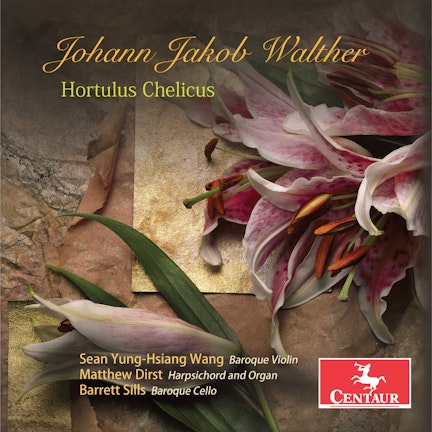
Walther: Hortulus Chelicus
Stolzel: Quadri di Dresda e Bruxelles
Guretzky: Concertos
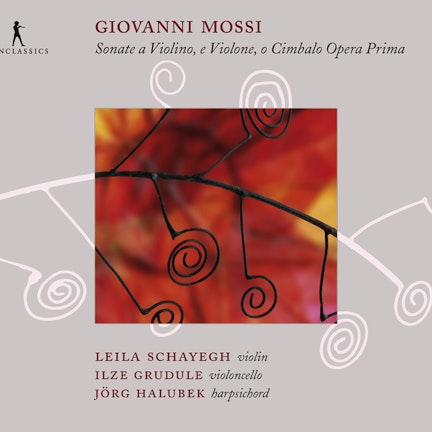
Mossi: Sonate Opera Prima a Violino e Violone, o Cimbalo