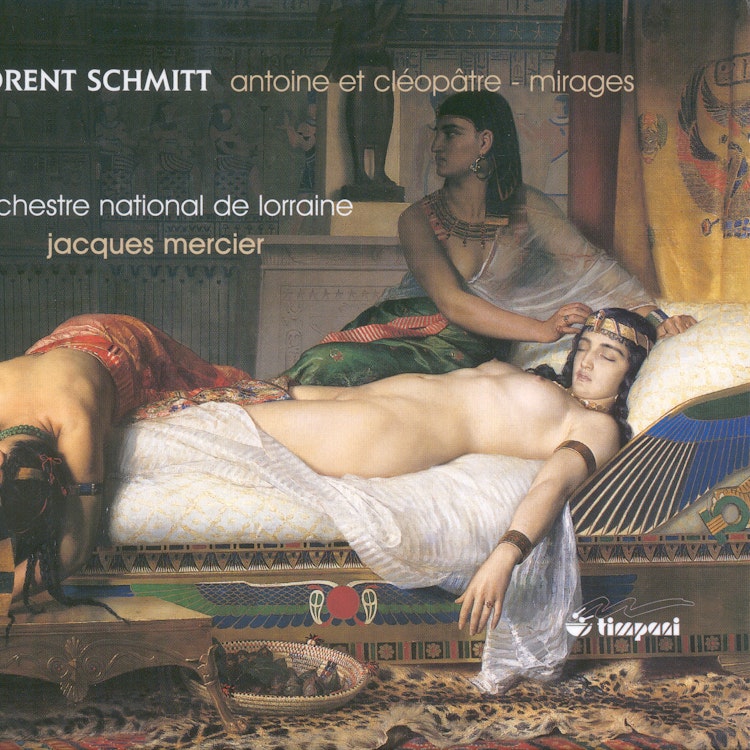
Florent Schmitt's five major works, including "Antoine et Cléopâtre," explore the theme of the 'femme fatale' and the hero's downfall.
Composition History
The first piece of "Mirages," "La Tristesse de Pan," was Schmitt's contribution to the "Tombeau de Debussy," a tribute published by the Revue Musicale in 1920.
Compositional Technique
Schmitt's "Antoine et Cléopâtre" is considered a deeply moving poem about love and death, comparable to Wagner's "Tristan und Isolde."
Composition History
The music for "Antoine et Cléopâtre" was originally commissioned as stage music for a new translation of Shakespeare's play by André Gide, performed by Ida Rubinstein at the Opéra de Paris.
Critical Reception
"Antoine et Cléopâtre" is considered a masterpiece of French symphonic music, ranking alongside works like "Daphnis et Chloé" and "Bacchus et Ariane."
Compositional Technique
The final movement of "Antoine et Cléopâtre," "Le Tombeau de Cléopâtre," features a nearly atonal conception with elaborate polyphony, placing it near Schoenberg and Scriabin.
Composer Biography
Florent Schmitt, a remarkable pianist himself, often created brilliant concert transcriptions of his orchestral works and orchestral versions of his piano inspirations.
You might also enjoy...
It's Only A Classical dance vol.1
Copland: Orchestral Works
Banks: 18 Pieces for Orchestra
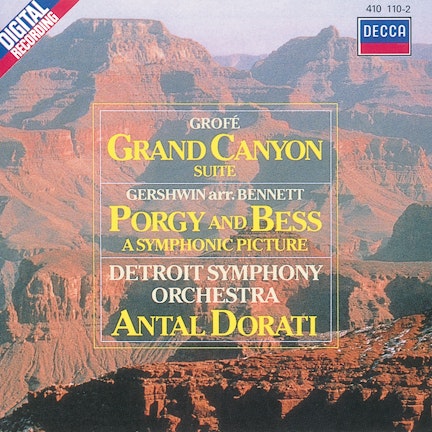
Grofé: Grand Canyon Suite/Gershwin: Porgy & Bess
Gershwin: Porgy & Bess - A Symphonic Picture/Grofé: Grand Canyon Suite
Barber: Adagio for Strings & Copland
Music of France, Vol. 7
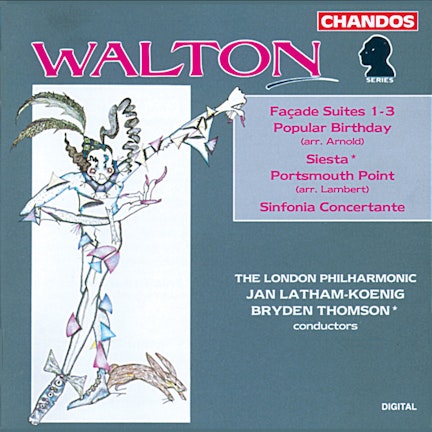
Walton: Facade Suites Nos. 1-3 / Popular Birthday / Siesta / Portsmouth Point
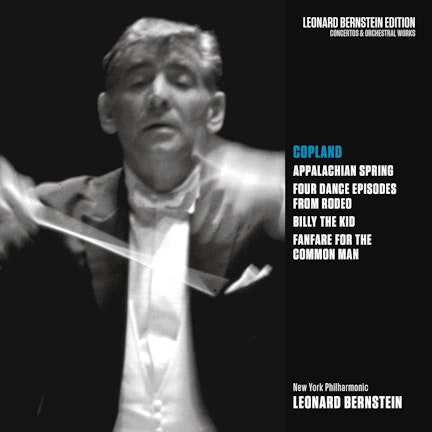
Bernstein Century - Copland: Appalachian Spring; Rodeo; Billy the Kid; Fanfare for the Common Man
Copland: Appalachian Spring, Rodeo, Billy the Kid & Fanfare for the Common Man