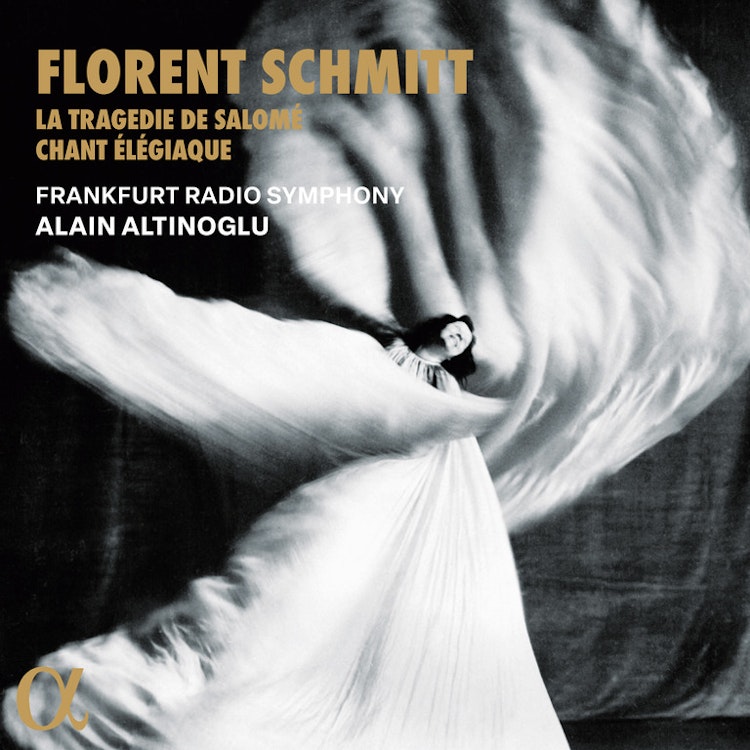
Due to the small stage at the Théâtre des Arts, Florent Schmitt was forced to restrict his musical commentary for La Tragédie de Salomé to only about twenty instrumentalists, yet still achieved astonishing sound effects.
Composer's Artistic Vision
The biblical story of Salome appealed to Florent Schmitt, especially after his travels to Morocco and Turkey gave him direct contact with the Islamic world, which also influenced his 1906 Psalm.
Critical Reception
The final passages of La Tragédie de Salomé, with their barbaric orientalism, were considered daring and modern by audiences in 1907.
Critical Reception
Igor Stravinsky admired the violent dissonances, stabbing chords, and complex rhythms of La Tragédie de Salomé, expressing his enthusiasm in a letter to Schmitt in February 1912.
Composition History
The director of the Théâtre des Arts, Robert d'Humières, commissioned La Tragédie de Salomé from Florent Schmitt as a reaction to Richard Strauss's recently staged opera Salome.
Composition History
The Chant élégiaque, originally for cello and piano between 1899 and 1903, was orchestrated in 1911, the same year a new version of La Tragédie de Salomé was unveiled.
Composition History
Florent Schmitt composed La Tragédie de Salomé in 1907 as music for a mimed drama danced by Loïe Fuller, with Désiré-Émile Inghelbrecht conducting.
You might also enjoy...
Dvořák: Works for Cello & Orchestra
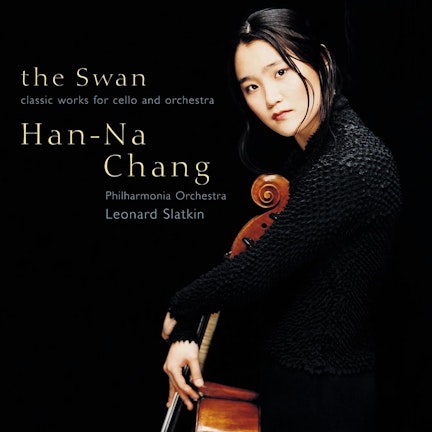
The Swan
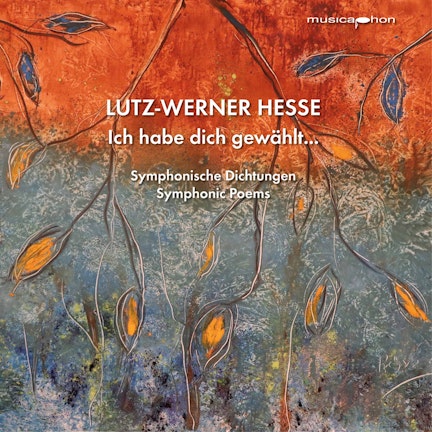
Lutz-Werner Hesse: Symphonic Poems (Live)
Dvorak Cello Concerto
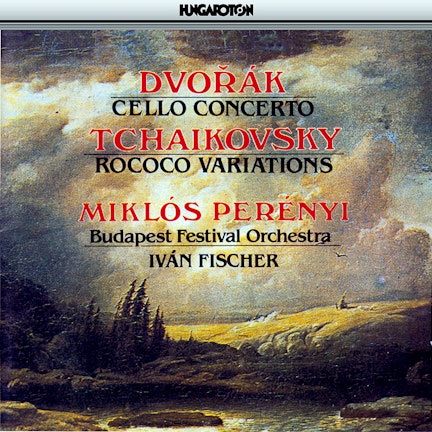
Dvorak: Cello Concerto / Tchaikovsky: Variations On A Rococo Theme, Op. 33
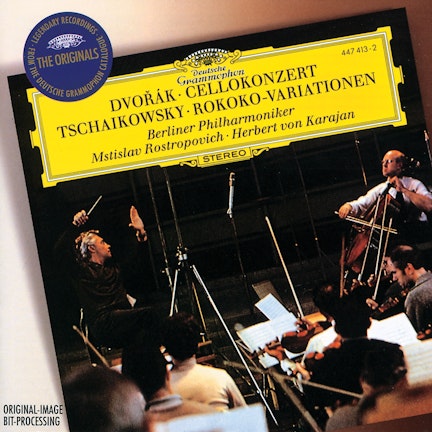
Dvorák: Cello Concerto / Tchaikovsky: Variations on a Rococo Theme
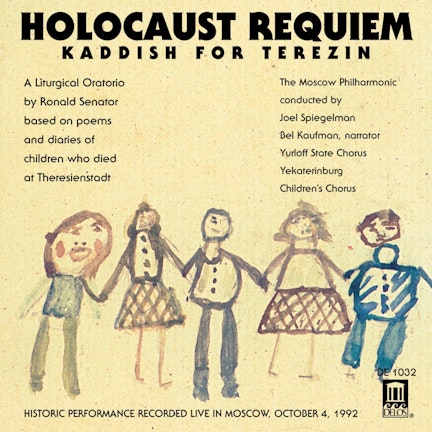
Senator, R.: Holocaust Requiem / Smetana, B.: Moldau (Kaddish for Terezin)
Dvorák: Cello Concerto No. 2 - Tchaikovsky - Variations on a Rococo Theme
Dvorak: Cello Concerto / Waldesruhe
Romantique Virtuos - Music for Violoncello & Orchestra