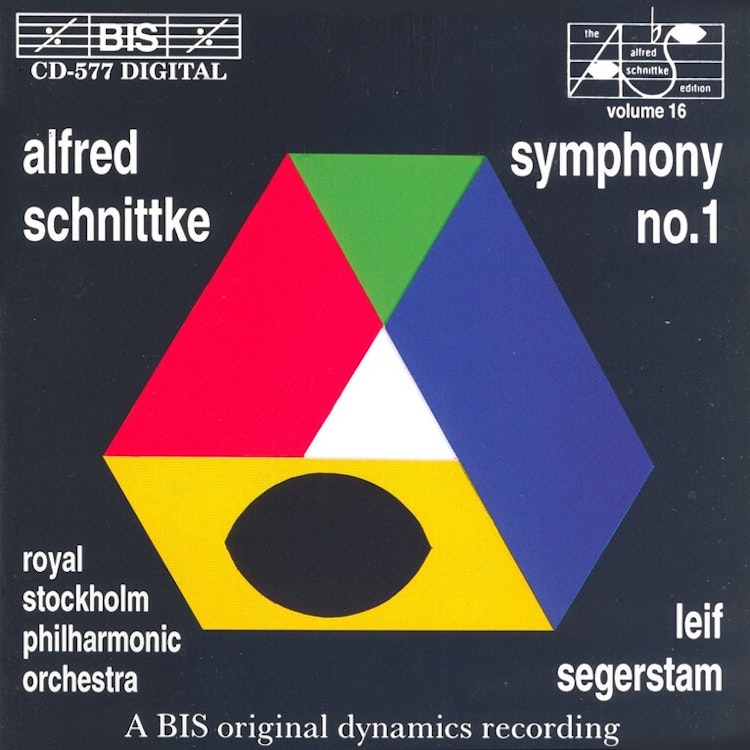
The premiere of Schnittke's First Symphony in 1974 sparked extensive discussion and hostility in Soviet specialist publications, with some critics calling it an 'anti-symphony' or 'destruction of the symphony'.
Cultural Impact
Schnittke's First Symphony gained worldwide recognition as the music for the second act of John Neumeier's ballet 'A Streetcar Named Desire', which was danced over a hundred times by 1992.
Composition History
Schnittke's First Symphony was deeply influenced by his multi-year work on the music for Mikhail Rom's film 'And Still I Believe', which he described as a 'strictly organized chronicle of the 20th century'.
Composition History
Schnittke's First Symphony was an attempt to reconstruct the classical four-movement symphony form from fragments and leftovers, incorporating both his own material and classical quotations.
Compositional Technique
The symphony employs a 100-piece orchestra, including quadruple woodwind, saxophones, a large percussion section, all keyboard instruments including organ, and often divided string sections, along with electric guitar, bass guitar, double tubular bells, and harps for specific sonic effects.
Composer Biography
Alfred Schnittke, born in 1934 in Engels, capital of the former Volga German republic, lived in various cities including Vienna, Moscow, and Hamburg, where he became a professor.
Composer's Artistic Vision
Schnittke developed a compositional style called 'polystylism' around 1968, which allowed him to freely combine and juxtapose different musical styles from past and present.
You might also enjoy...
Brian: Symphony No. 1 "The Gothic Symphony"
Mahler: Symphony No. 9 in D Major
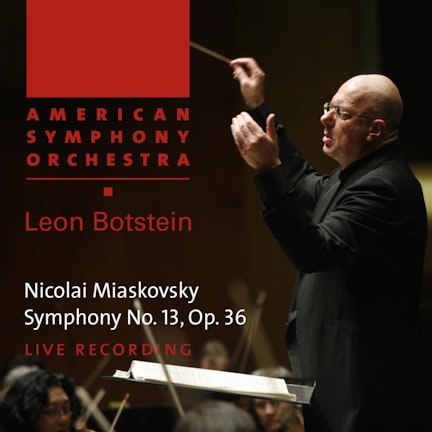
Miaskovsky: Symphony No. 13 in B-Flat Major, Op. 36
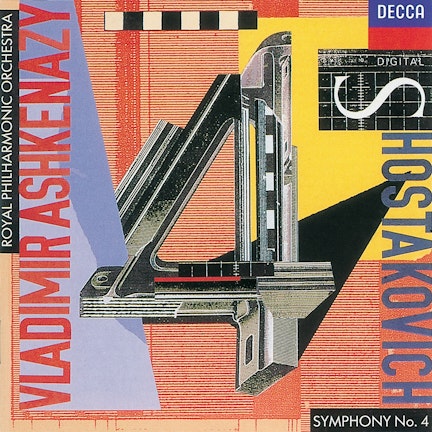
Shostakovich: Symphony No.4
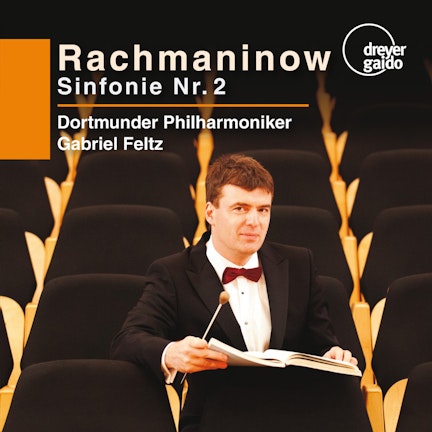
Rachmaninoff: Symphony No. 2 in E Minor, Op. 27
Symphony No. 9: IV. Largo
Shostakovich: Symphony No. 8 in C Minor, Op. 65
Shostakovich: Symphony No. 11, "The Year 1905"
Rachmaninoff: Symphony No. 3 in A Minor, Op. 44
Tchaikovsky: Symphony No. 6 in B Minor "Pathétique"
Borodin: Symphonies Nos. 1 & 2
Tchaikovsky: Symphony No. 5, Op. 64
Shostakovich: Symphony No. 10 in E Minor, Op. 93 (Live)