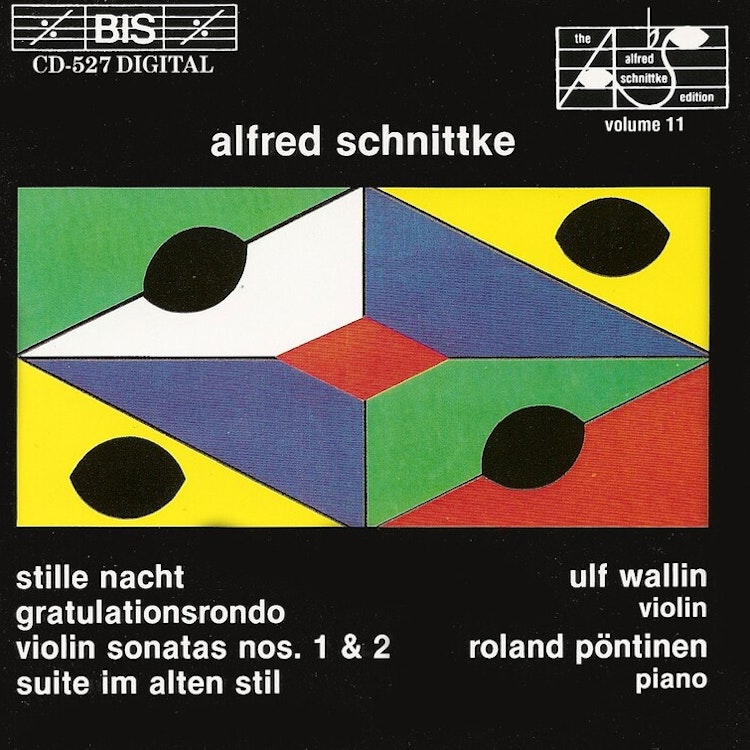
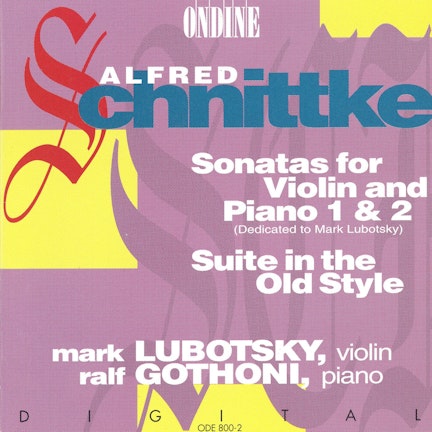
Alfred Schnittke's Suite im alten Stil (Suite in the Old Style) was written in 1972 as a homage to the 18th-century suite form, fulfilling his wish 'once to write completely naively'.
Composer's Artistic Vision
Alfred Schnittke described his Sonata No.2 ('Quasi una Sonata') for violin and piano as a 'borderline case of sonata form' where the form is questioned and seems not to be achieved.
Compositional Technique
Alfred Schnittke's Sonata No.1 for violin and piano uses a twelve-tone technique with a varying row, incorporating different types of triads in each movement.
Composer Biography
Alfred Schnittke composed the 'Gratulationsrondo' for violin and piano in 1974 for the 50th birthday of Rostislav Dubinski, the former leader of the Moscow Borodin Quartet.
Composer's Artistic Vision
Alfred Schnittke first explored his polystylistic method of writing in the Sonata No.2 ('Quasi una Sonata'), a technique that would define many of his later works.
Composition History
Alfred Schnittke's Sonata No.2 ('Quasi una Sonata') for violin and piano, written in 1968, was a 'mutiny against everything else' after a long period of exclusively serial music.
Composition History
Alfred Schnittke wrote 'Stille Nacht' for violinist Gidon Kremer, giving it to him as a Christmas present in Moscow in 1978.
You might also enjoy...
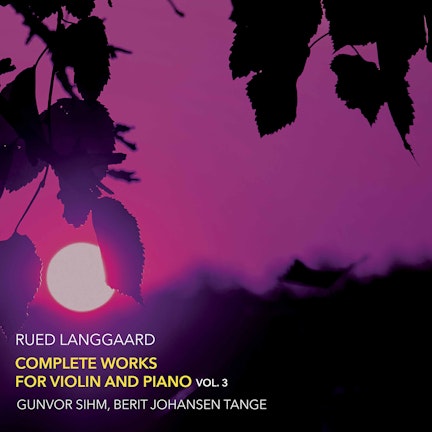
Langgaard: Complete Works for Violin & Piano, Vol. 3
Works for Violin and Piano
Violin Recital: Schneider, Elisabeth Zeuthen / Staerk, Ulrich - Rosing-Schow, N. / Norgard, P. / Ruders, P. / Nordentoft, A. (Conversations)
Between 1945 and 1960: Albrecht, Schweppe, Seiber
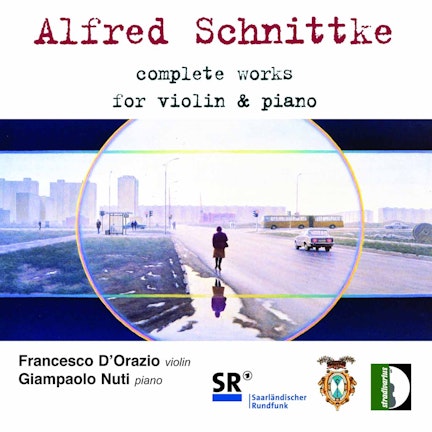
Schnittke: Complete Works for Violin & Piano
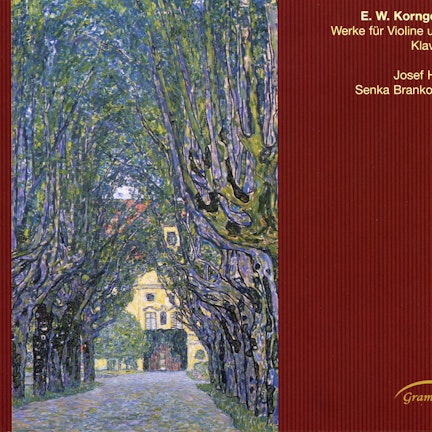
Korngold: Works for Violin and Piano
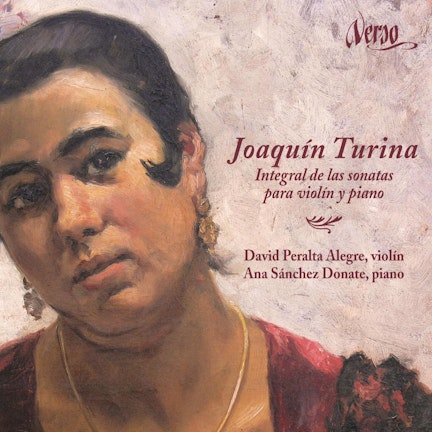
Joaquín Turina: Integral de las sonatas para violín y piano.
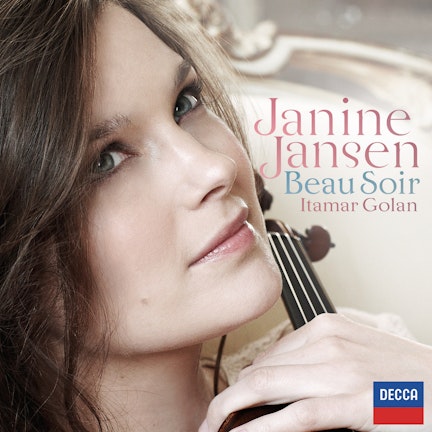
Beau Soir
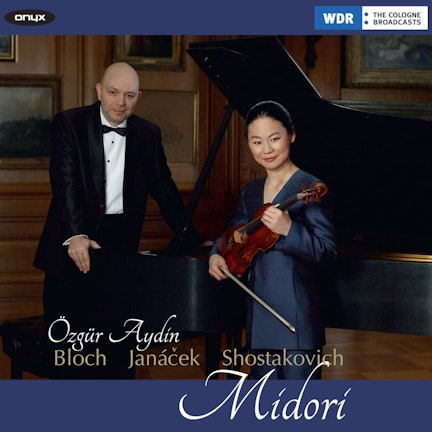
Bloch, Janacek, Shostakovich: Violin Sonatas
Schnittke, A.: Violin Sonatas Nos. 1 and 2 / Suite in the Old Style