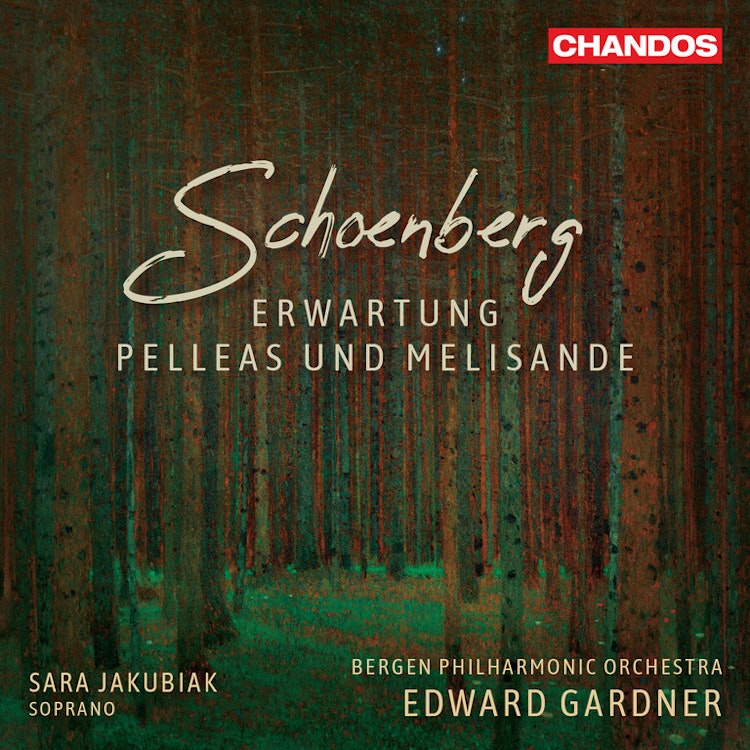
Schoenberg: Erwartung, Op. 17 & Pelleas und Melisande, Op. 5
5/1/2020, 24 Tracks, 1:07:36
Though only six years separate Schoenberg’s Pelleas und Melisande from Erwartung, the two works are radically different. The former is a tone poem for large orchestra written in a Straussian late Romantic style, while the latter is an atonal solo opera that is one of his most daring and unique accomplishments. Edward Gardner conducts the Bergen Philharmonic Orchestra, and Sara Jakubiak sings the solo role in the opera.
Featuring
Edward Gardner
Sara Jakubiak
Bergen Filharmoniske Orkester
Arnold Schoenberg
Did you know?
1/7
Composition History
Schoenberg was directed to the topic of Pelleas und Melisande by Richard Strauss, whom he met in Berlin in 1901-02.
Compositional Technique
Schoenberg composed Erwartung in an astonishingly short period of seventeen days in August 1909, aiming to represent in slow motion everything that occurs during a single second of maximum spiritual excitement.
Performer Biography
The Bergen Philharmonic Orchestra, featured on this recording, is one of the world's oldest orchestras, dating back to 1765, and Edvard Grieg served as its artistic director from 1880-82.
Composer's Artistic Vision
In both works on this album, the forest is an important location, representing darkness, uncertainty, and a metaphor for the human mind, as it did in Schoenberg's earlier work, Verklärte Nacht.
Composer's Artistic Vision
Arnold Schoenberg's two works on this album, Pelleas und Melisande and Erwartung, both explore stories of frustrated love and use abundant expressive nuances tied to a strong narrative drive.
Composition History
Erwartung, Schoenberg's first work for the stage, sets a libretto by Marie Pappenheim, who was a physician-in-training and writer with clinical interests in psychiatry.
Performer Biography
Sara Jakubiak, the soprano on this recording, has been praised by the New York Times for her 'plushvoiced, impressive soprano' and has performed at The Royal Opera, Covent Garden and Komische Oper Berlin.
You might also enjoy...
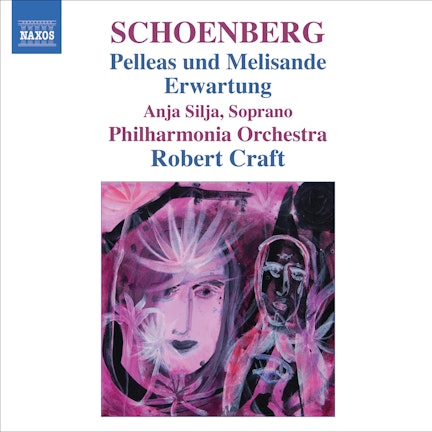
Schoenberg: Pelleas und Melisande - Erwartung
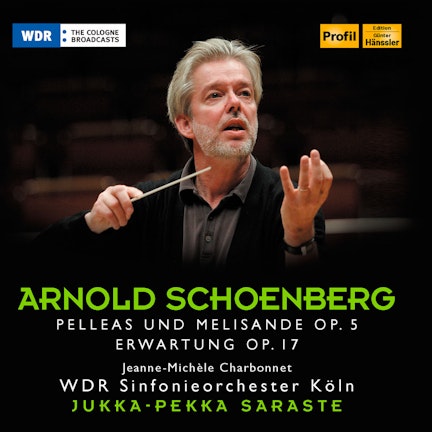
Schoenberg, A.: Pelleas Und Melisande / Erwartung
Holbrooke, J.: Symphonic Poems
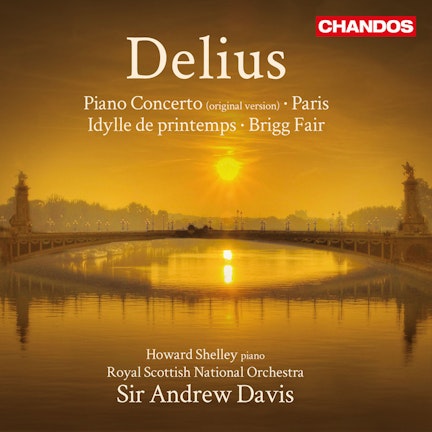
Delius: Piano Concerto - Paris - Idylle Printemps - Brigg Fair
Delius in Norway
Vaughan Williams: Wasps (The): Overture / Serenade To Music / Delius: 2 Pieces for Small Orchestra
Vaughan Williams & Delius: Orchestral Works
Ravel: L'Enfant Et Les Sortilèges; L'Heure Espagnole