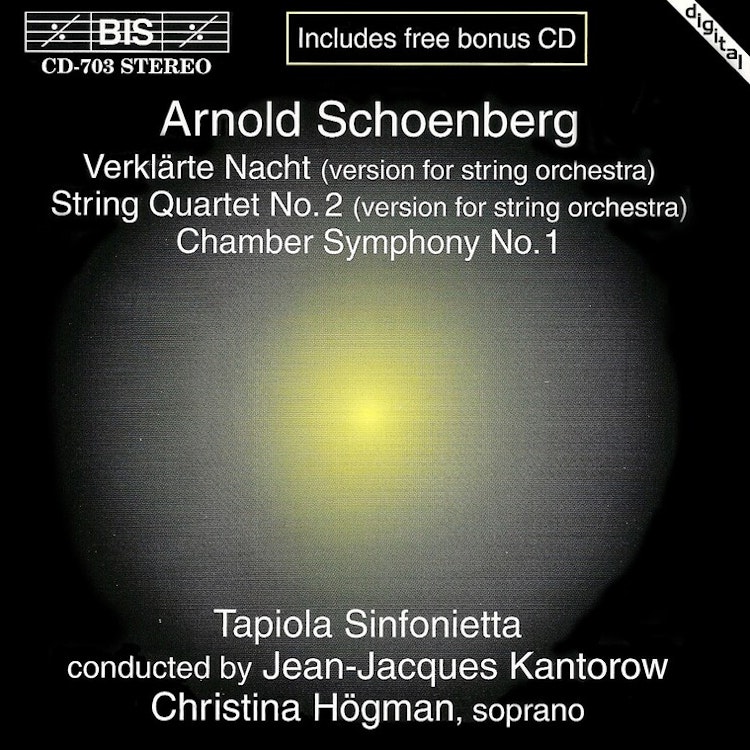
The 1902 premiere of Verklärte Nacht in Vienna was met with a mixture of applause and whistling, and critics attacked Schoenberg's choice of text rather than his musical style.
Composition History
Schoenberg's String Quartet No. 2, Op. 10, includes a quote from the folk-song 'Ach, du lieber Augustin' with the words 'alles ist hin' (everything's gone), possibly referencing his wife's affair with painter Richard Gerstl.
Compositional Technique
Verklärte Nacht, originally for string sextet, is considered a 'symphonic poem in chamber format' because Schoenberg transferred characteristics of orchestral music to a chamber setting.
Compositional Technique
Despite being known as a revolutionary, only about half of Schoenberg's compositions were written using his dodecaphonic (twelve-tone) technique.
Composer Biography
Arnold Schoenberg, the composer, was furious with author Thomas Mann because Mann's novel Doctor Faustus depicted its hero as the inventor of dodecaphony and also as a syphilitic composer.
Compositional Technique
Schoenberg's Chamber Symphony No. 1, Op. 9, features a famous chord built not on traditional thirds, but on five fourths, which the composer stated makes its mark on everything that happens in the piece.
Composition History
Schoenberg's Verklärte Nacht (Transfigured Night), Op. 4, a classic of 20th-century music, was actually composed in 1899, before the turn of the century.
You might also enjoy...
Lutosławski: Symphonies, Concertos, etc
Gallagher: Orchestral Music
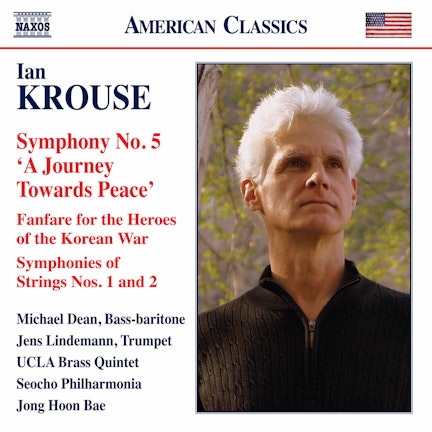
Krouse: Orchestral Works
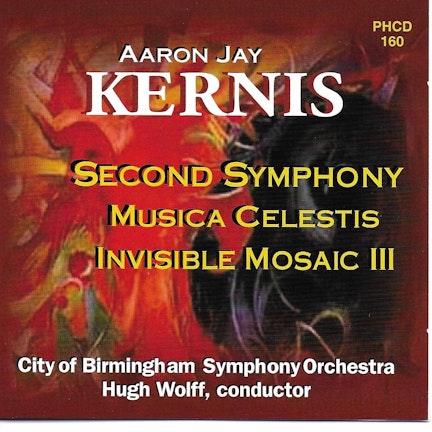
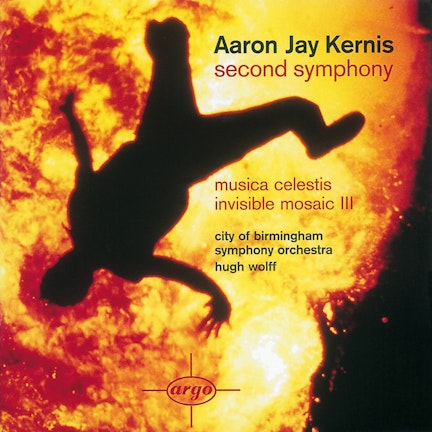
Kernis: Symphony No. 2, Musica Celestis & Invisible Mosaic III
Kernis: Second Symphony/Musica Celestis/Invisible Mosaic II
Vaughan Williams: A London Symphony & Norfolk Rhapsody No. 1 & Fantasia On A Theme By Thomas Tallis
Tippett: Symphony No. 4 / Fantasia Concertante On A Theme of Corelli / Fantasia On A Theme of Handel
Schumann: Symphony No. 3 "Rheinische"
Mats Larsson Gothe: Symphony No. 2, The Apotheosis of the Dance & The Autumn Diary
Roger Reynolds: Whispers Out of Time
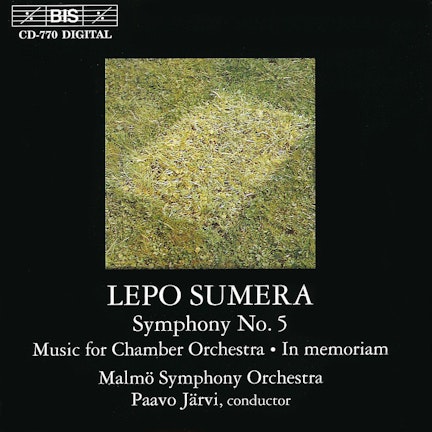
Sumera: Symphony No. 5 / Music for Chamber Orchestra / In Memoriam
Lachenmann: Schreiben & Double "Grido II"
Lutosławski: Symphony No.1 / Symphonic Variations etc.