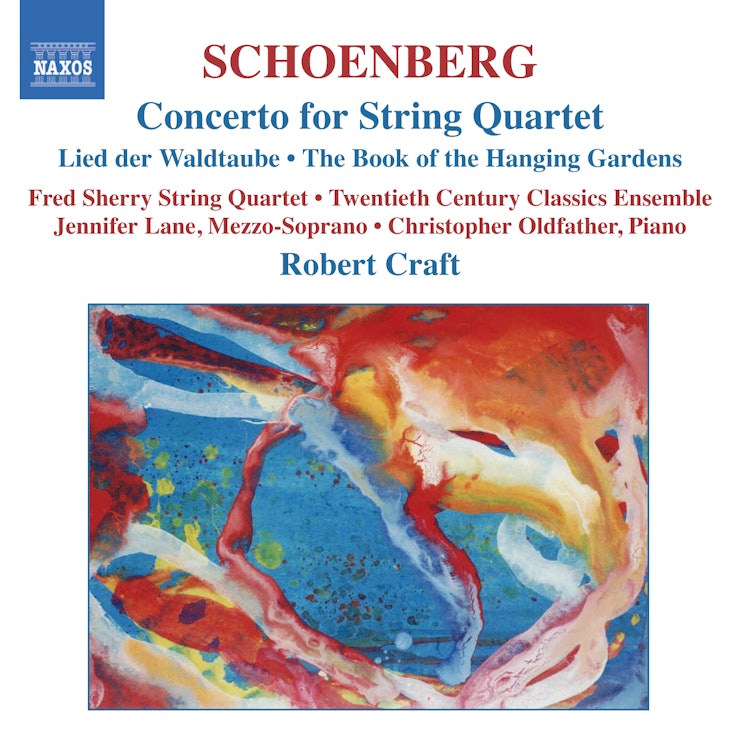
Schoenberg's Concerto for String Quartet is exceptionally demanding for the solo instruments, rivaling Beethoven's Great Fugue in difficulty.
Composer's Artistic Vision
Schoenberg advised young composers to study masters like Mozart, Beethoven, Brahms, and Bach, as he learned much from them, particularly Mozart for his string quartet writing.
Composition History
Arnold Schoenberg's Concerto for String Quartet and Orchestra, after Handel, was composed in 1933 while he was forced to flee Berlin and reconvert to Judaism.
Composer Biography
Arnold Schoenberg, the composer, was also a painter, using it as a way to express emotions and ideas, similar to his music.
Critical Reception
Despite the difficult circumstances of its creation, Schoenberg's Concerto for String Quartet is considered one of his happiest, most high-spirited, and tuneful works.
Composer's Artistic Vision
Schoenberg believed that in his George songs, including The Book of the Hanging Gardens, he achieved an ideal of expression and form he had sought for years, breaking from past aesthetics.
Performer Biography
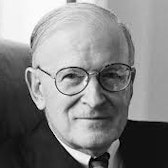
Robert Craft, the conductor on this album, had a historic 20-year association with Igor Stravinsky as his constant companion, co-conductor, and musical confidant.
You might also enjoy...
Symphonic Portrait
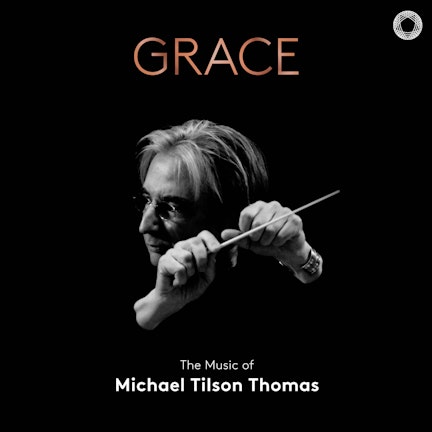
Grace: The Music of Michael Tilson Thomas
In Memoriam: Kammermusik von Harald Genzmer
Composers from Theresienstadt - Haas & Berman
Road Trip
Camille Saint-Saëns: La princesse jaune
Holliger: Beiseit / Alb-Chehr
The Song of Songs, The Poet in Exile: Works by Walter Arlen
Surprise - Cabaret songs by Bolcom, Satie & Schoenberg
Klein / Krása / Haas / Schulhoff: Ensemble Aventure