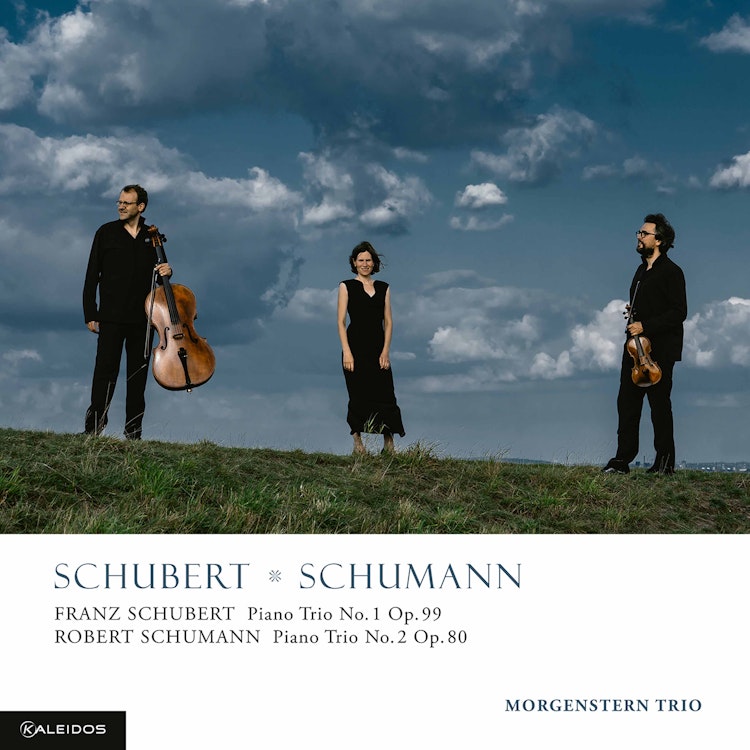
Robert Schumann composed his Piano Trio No. 2 in F major, Op. 80, quickly after completing his first piano trio, which he had given to his wife Clara for her 28th birthday.
Compositional Technique
Franz Schubert's piano trios, including the Piano Trio No. 1 in B flat major, Op. 99, extended the typical duration and sound of the genre, pushing into 'almost symphonic dimensions'.
Historical Context
The Schumann family moved to Dresden from Leipzig in 1844 on doctors' advice, hoping the change of environment would alleviate Robert Schumann's illness, which included dizziness, anxiety, and 'melancholy'.
Composer's Artistic Vision
Robert Schumann considered his two piano trios, including the Piano Trio No. 2 in F major, Op. 80, as 'sister works', noting that the F major trio was 'more amicable and faster-paced' than the one in D minor.
Composition History
Franz Schubert composed his Piano Trio No. 1 in B flat major, Op. 99, for the engagement of his childhood friend Joseph von Spaun to Franziska Röner.
Critical Reception
Schubert's piano trios, including the Piano Trio No. 1 in B flat major, Op. 99, were praised by musicians and critics only years after his death, remaining largely unknown during his lifetime.
Composer Biography
Franz Schubert was one of 36 torchbearers at Ludwig van Beethoven's funeral, which was attended by 20,000 Viennese citizens, though Schubert himself never achieved such fame in his lifetime.
You might also enjoy...
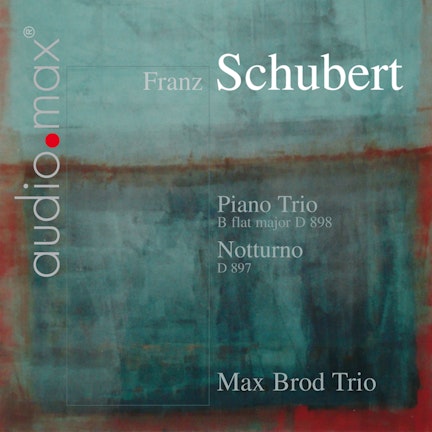
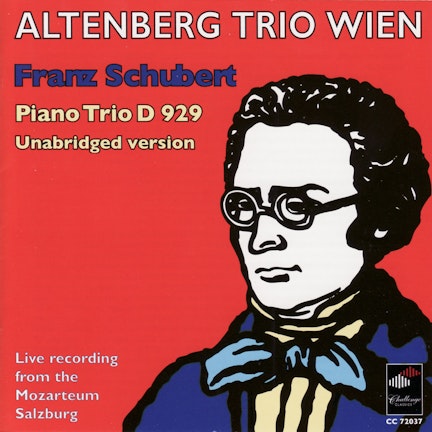
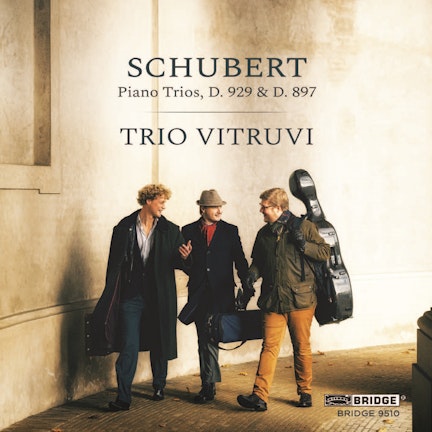
Schubert: Piano Trios
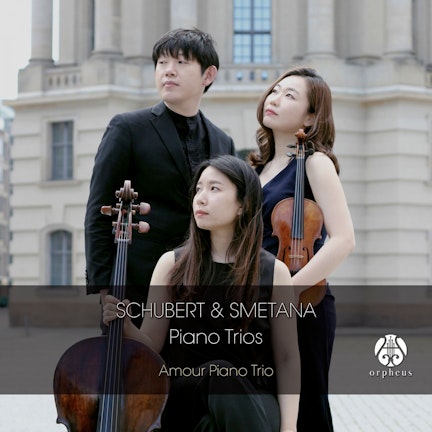
Schubert & Smetana Piano Trios
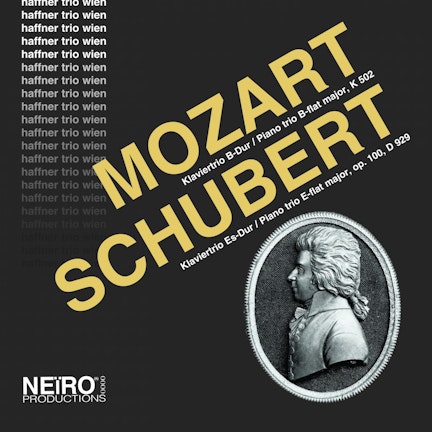
Mozart Schubert Klaviertrios
Rubinstein Collection, Vol. 73: Brahms Piano Trio No. 3; Schubert Piano Trio No. 2
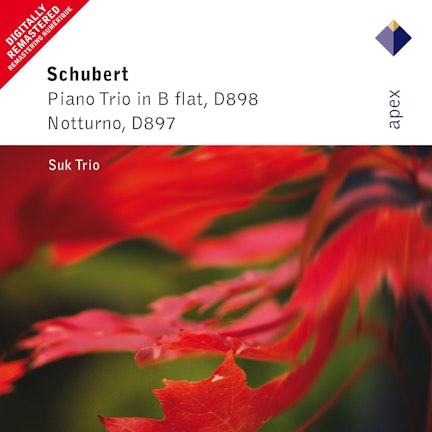
Schubert : Piano Trio No.1 & Piano Trio, 'Notturno'
Mendelssohn, Felix: Piano Trio No. 1 / Schubert, F.: Piano Trio No. 1