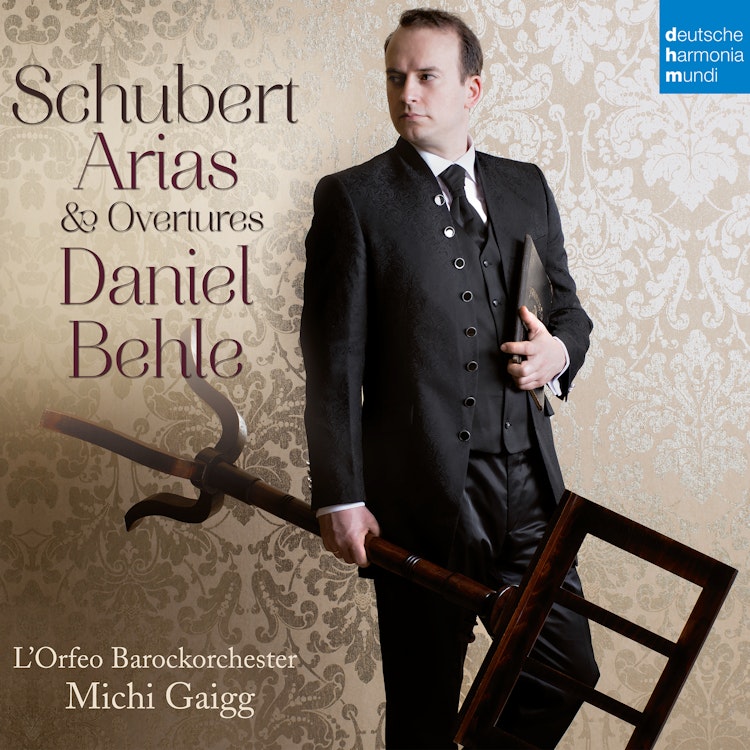
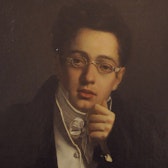
When Schubert was writing his stage works, German music theater was beginning to break away from Italian and French operatic traditions.
Interpretation
Schubert's arias, unlike Rossini's, largely reject virtuosity, forcing performers to convince audiences through other means.
Composer's Artistic Vision
Schubert's music for the stage was intended to support a living account of the drama, with arias motivated directly by the action.
Compositional Technique
Schubert's operatic arias often have extremely short preludes and postludes to ensure the action is not interrupted for too long.
Composer's Artistic Vision
For Schubert, the composer, the truth and depth of human emotions were central to music drama and embodied a longing for a better world.
Recording & Production
This album features world premiere recordings of tracks 2, 5, and 15, and all tracks except 1, 7, 8, 9, and 10 are world premiere recordings on period instruments.
Compositional Technique
Schubert's tenor roles are not grand heroes but young men torn between love and duty, often with yearningly dreamy melodies that blend with the melancholy tone of a clarinet or oboe.
You might also enjoy...
Barbara Hendricks: Operetta Arias & Duets
Great Opera Duets
French Opera Arias
Thrilling Tenor: Best Loved Opera Arias
R. Strauss: Salome, Op. 54, TrV 215
L'enchanteur
Wagner by Arrangement: Operatic Highlights, Vol. 3