Schubert's intended marriage to Therese Grob was cancelled due to the 1815 'marriage agreement law', which required proof of sufficient income to feed a family.
Composer Biography
Johann Gabriel Seidl, whose poem 'Die Taubenpost' is the last song Schubert ever wrote, also modified Haydn's 'Emperor's Hymn' into the Austrian National Anthem.
Compositional Technique
Schubert's Lieder are founded on traditional folk-songs, featuring catchy tunes, pleasant harmonies, uncomplicated rhythms, and clear forms.
Composition History
Schubert was so impressed by Heinrich Heine's poetry at a literary evening in 1828 that he immediately jotted down compositional ideas, setting the poems to music six months later.
Composer's Artistic Vision
Schubert's Lied-compositions often revolve around themes of unrequited love, parting, wandering, loneliness, and longing for 'death'.
Composition History
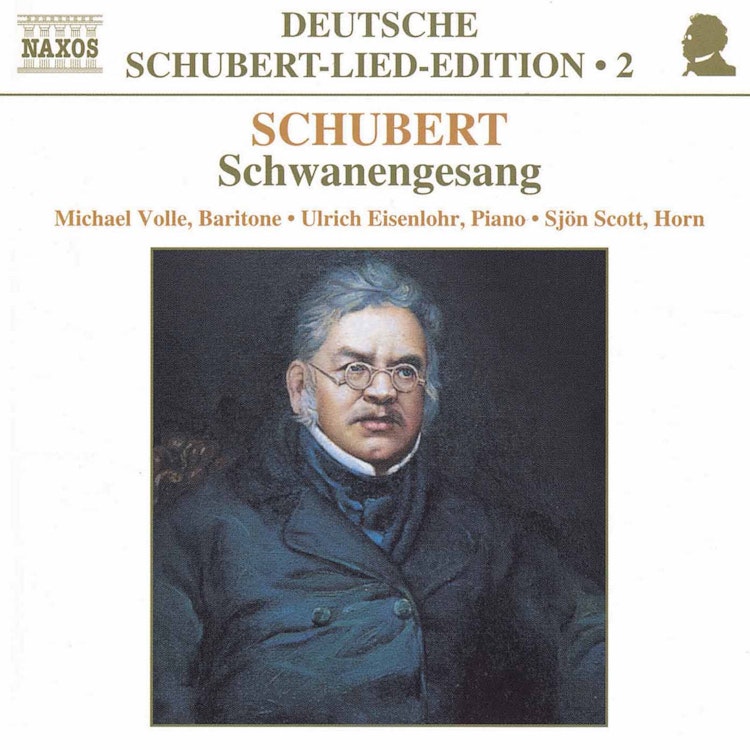
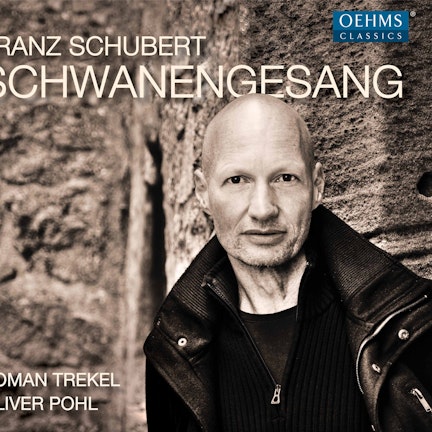
Schwanengesang, meaning 'swan-song', was published posthumously in May 1829 by Tobias Haslinger, who gave the collection its title.
Historical Context
The title 'Schwanengesang' refers to a popular poetic metaphor in early 19th-century Biedermeier Vienna, where a swan sings with beauty only once in its life, when facing death.