Liszt's transcriptions of Schubert's Lieder combine the singing voice and accompaniment, often including virtuosic elements and new interpretations, such as interpreting 'Auf dem Wasser zu singen' as a barcarolle.
Compositional Technique
Robert Schumann, a prominent critic, reviewed Schubert's second collection of Impromptus as a large-scale, four-movement sonata, despite Schubert's intention for them to be individual pieces.
Composition History
Schubert's publisher, Tobias Haslinger, chose the title 'Impromptus' for the first set of pieces, a title Schubert later adopted for his second collection, clarifying they were individual works, not a sonata.
Composition History
Liszt's 'Venezia e Napoli', a three-part postlude to his 'Années de pèlerinage' cycle, was conceived in 1838 and finally completed in 1861, drawing inspiration from Italian songs and opera.
Composer's Artistic Vision
Schubert's smaller piano pieces, like the Impromptus, can be seen as the equivalent of his Lieder, as his musical path originated in the Lied and its poetic lyricism.
Cultural Impact
Franz Liszt's piano transcriptions of other composers' works, including Schubert's Lieder, played a significant role in introducing these composers and their music to a wider public, shaping the image of 'Schubert, the Prince of Song'.
Performer Biography
Mona Asuka, the pianist on this album, made her orchestral debut at age 13 and has performed with numerous international orchestras, including the Hong Kong Philharmonic and the Philharmonia Orchestra London.
You might also enjoy...
Clara Schumann gewidmet
Arrau spielt Liszt
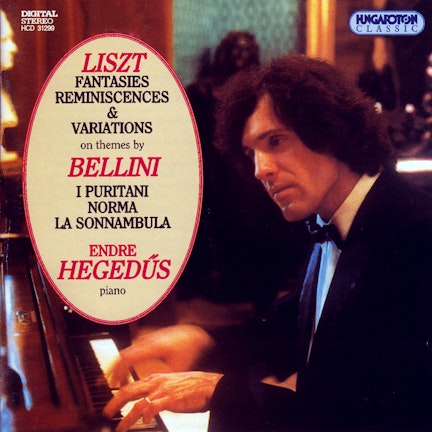
Liszt: Fantasies, Reminiscences and Variations On Themes by Bellini
Kaprálová: Complete Piano Music
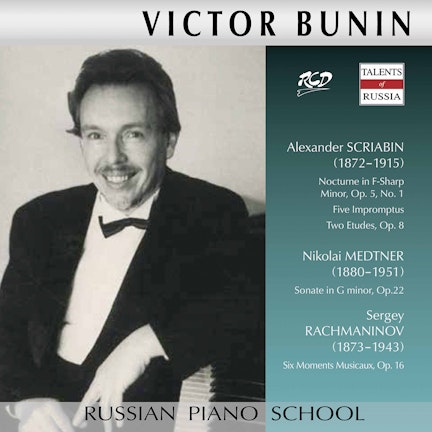
Scriabin, Medtner & Rachmaninoff: Piano Works
Babadjanian: Complete Works for Piano Solo
Liszt: Piano Recital
Liszt: Piano Favourites
Schubert & Schumann: Piano Works
Liszt, F.: 6 Etudes D'Execution Transcendante D'Apres Paganini / Schubert - Mullerlieder / Verdi - Rigoletto: Paraphrase De Concert