The classical fortepiano, unlike a modern piano, is smaller, has fewer keys, and uses thinner strings struck by leather-lined mallets, resulting in a distinct sound.
Critical Reception
Schubert's songs overshadowed his other works, including those for violin, because they appealed to the avant-garde and were easily presented at 'Schubertiade' concerts.
Interpretation
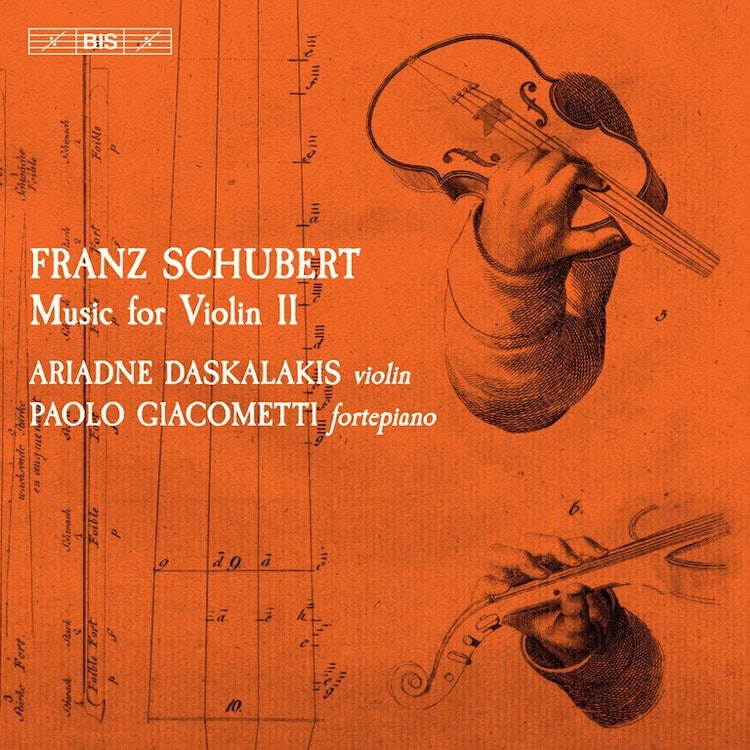
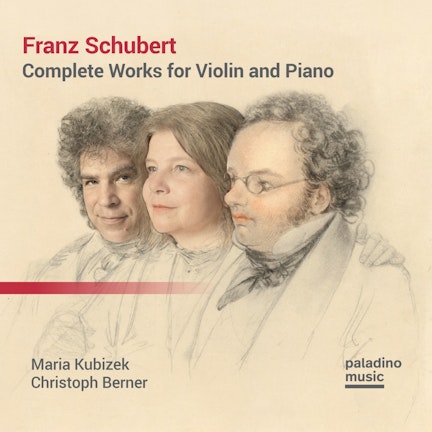
This recording uses historical instruments, including a historical violin with gut strings and a classical fortepiano, to approximate the sounds Schubert himself would have heard.
Instruments
The historical violin uses naked gut strings, a lighter bow, and an earlier bridge model, producing a darker, more throaty sound compared to modern violins.
Composer Biography
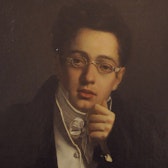
Franz Schubert came from a modest background and, despite his exceptional musical talent, his schoolteacher father initially saw no viable future in music for him.
Composer Biography
Schubert made lifelong friendships at the Imperial and Royal City College, where he joined the student orchestra as a violinist and eventually became its leader.
Composer Biography
Despite his prolific output and loyal friends, Schubert never secured steady musical employment or earned much from his compositions, and fame largely bypassed him during his lifetime.
You might also enjoy...
Schubert, F.: Violin and Piano Music (Complete), Vol. 1
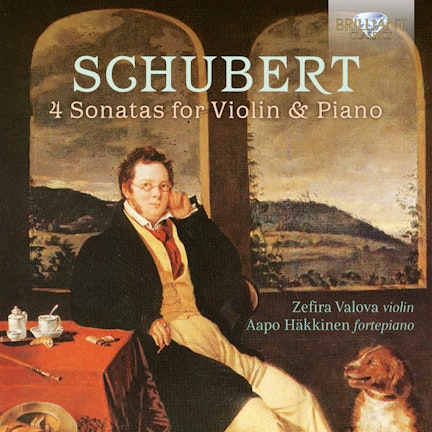
Schubert: 4 Sonatas for Violin & Piano
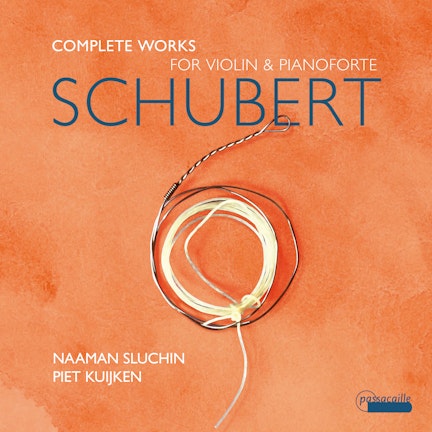
Schubert: Complete Works for Violin and Pianoforte
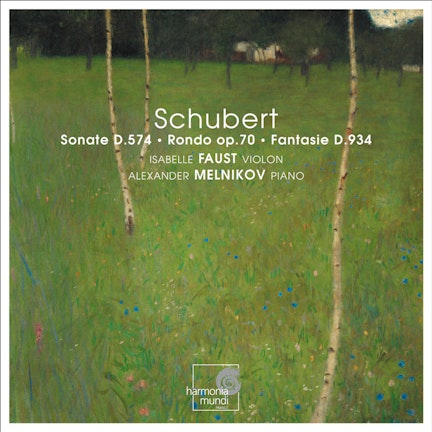
Schubert: Duo Sonata in A major, Op. 162, D. 574 - Rondo in B minor, Op. 70, D. 895, "Rondo brillant" - Fantasy in C major, Op. 159, D. 934
Schubert: Complete Works for Violin and Pianoforte, Vol. 2
Schubert: Duos pour piano et violon
Franz Schubert: Fantasie C-Dur / Rondo h-Moll / Sonate A-Dur
Schubert For Two
Schubert: Complete Works for Violin & Piano
Schubert: Works for Violin and Piano
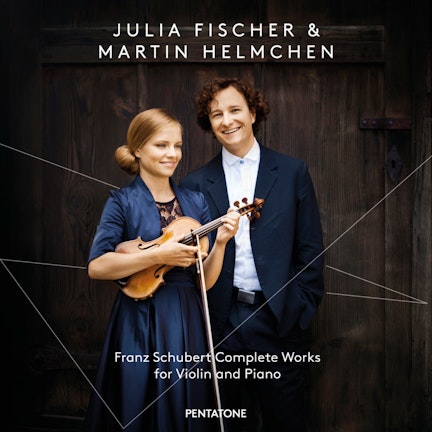
Franz Schubert: Complete Works for Violin and Piano