Schubert's Fantasy in F-minor for piano four-hands, despite its name, is structured like a sonata with four continuous movements and a recurring 'calling' opening theme.
Composer Biography
Schubert's periods spent at Count Johann Karl Esterházy's country-seat in Zseliz, Hungary, where he taught music and composed, were considered among the happiest months of his life.
Critical Reception
Robert Schumann coined the term 'heavenly lengths' for Schubert's last symphony and considered the Rondo in A-major to be one of Schubert's best works.
Compositional Technique
The Divertissement à la Hongroise is unique in Schubert's work for its sonata-like structure built from folk songs and dances, a method later seen in composers like Janáček and Bartók.
Composition History
In 1828, his last year of life, Schubert completed three masterworks for four-hand piano, aiming for 'the highest in art' by contacting German publishers with similar aspirations.
Composition History
Schubert incorporated a folk tune he heard a maid singing in the Esterházy kitchen into his Divertissement à la Hongroise, collecting his melodies 'at source' like Bartók.
Composer's Artistic Vision
Franz Schubert, though he composed much popular music for Viennese salons, was aware he was destined for what he called 'the Highest in Art'.
You might also enjoy...
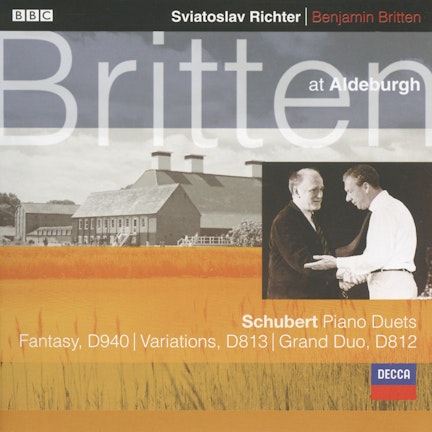
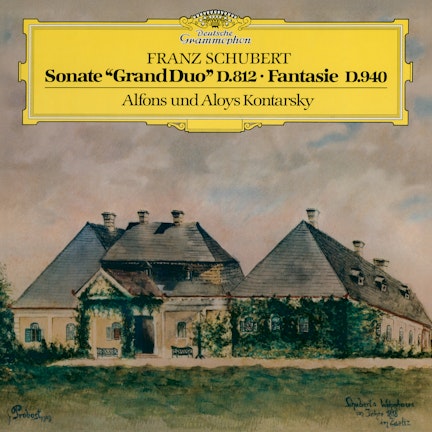
Schubert: Fantasy In F minor For Piano Duet; Grand Duo Sonata in C etc.
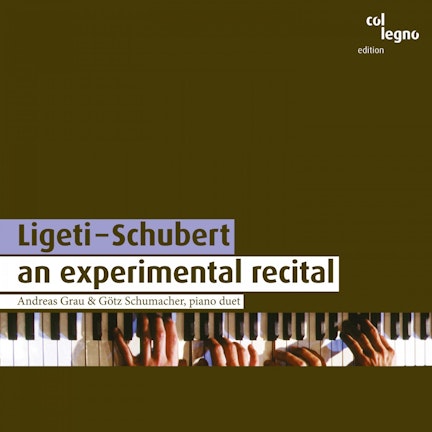
Ligeti & Schubert: An Experimental Recital
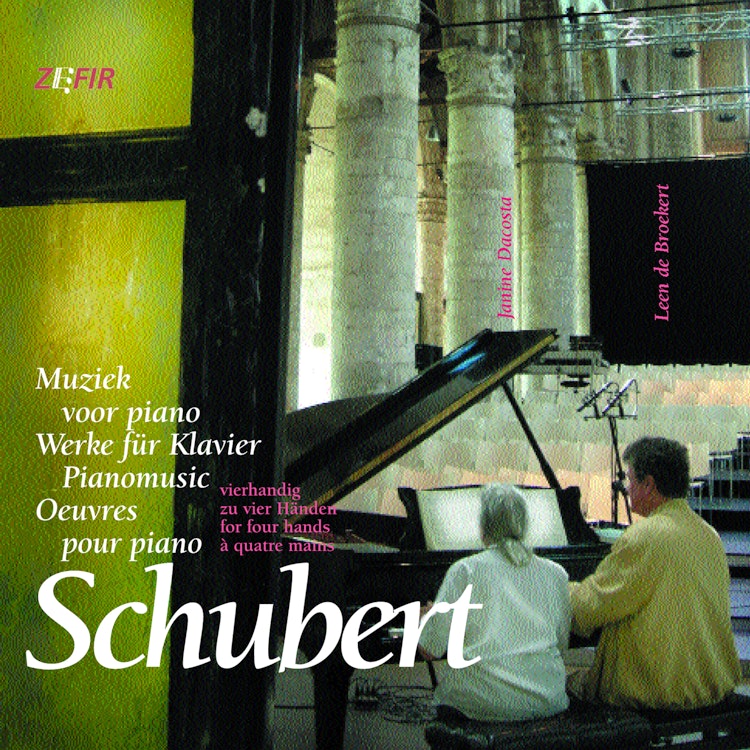
Schubert Works For Piano Four-Hands
Schubert: Fantasy in F Minor, D. 940: IV. Tempo I
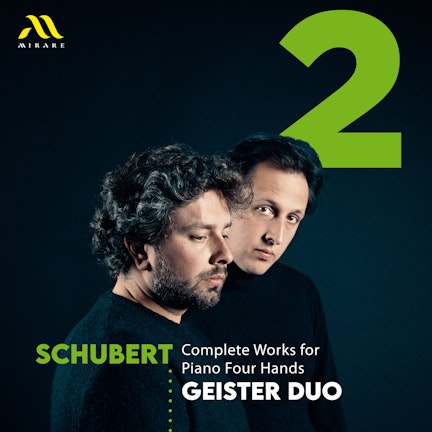
Complete Works for Piano Four Hands - Vol. 2
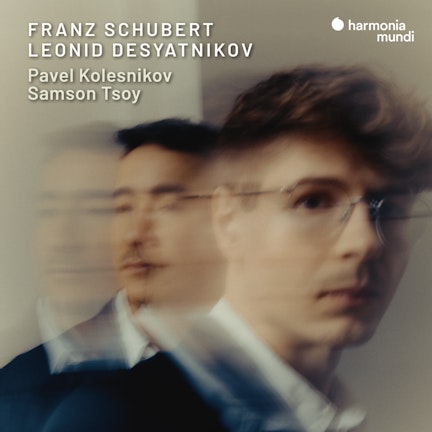
Schubert: Divertissement à la Hongroise, Fantaisie in F Minor - Desyatnikov: Trompe-l'œil
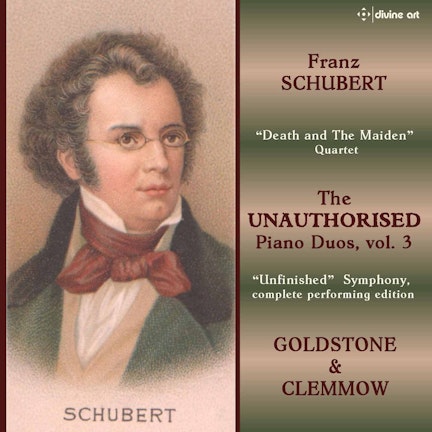
Schubert: The Unauthorised Piano Duos, Vol. 3
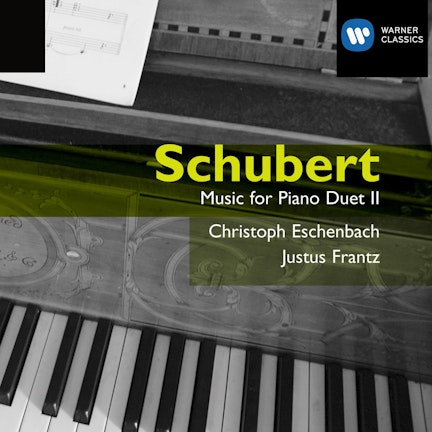
Schubert: Music for Piano Duet Vol. 2
Complete Works for Piano Four Hands - Vol. 1
Franz Schubert: Works for Piano 4 Hands
Schubert: & Brahms: Works for Piano Duet and 2 Pianos