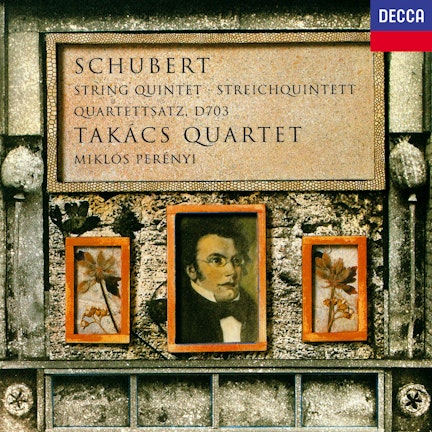
In the Quartettsatz, Schubert subverts conventional sonata form by making the agitated first theme a short outburst, immediately giving way to a lyrical melody, with the first theme only returning as a coda.
Composition History
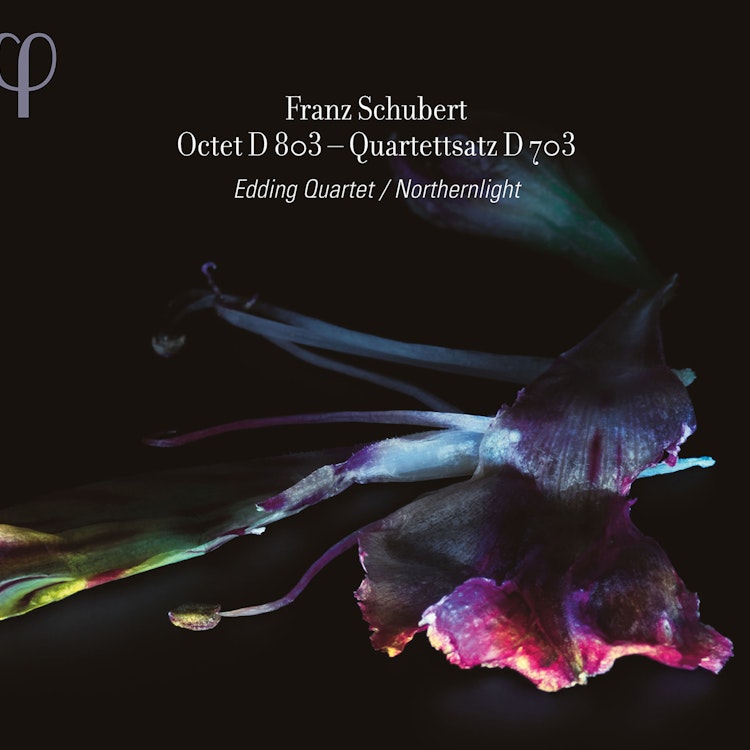
Schubert's Octet in F major, D 803, was composed in 1824 at the specific request of Count Ferdinand Troyer, a clarinettist, who wanted a piece modeled after Beethoven's Septet.
Critical Reception
Johannes Brahms, who edited Schubert's complete works, believed the Quartettsatz had the potential to reach the same heights as the "Unfinished Symphony."
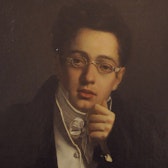
Composer Biography
Franz Schubert's work includes many unfinished pieces, with the famous "Unfinished Symphony" being just one example.
Instruments
Unlike Beethoven's Septet, Schubert's Octet adds a second violin to the string section, creating a richer, denser sound and allowing for more involvement from other instruments.
Composition History
The Quartettsatz in C minor (D 703) was intended as the first movement of a string quartet but never progressed beyond the 41st bar of the second movement.
Composer's Artistic Vision
Schubert's unfinished fragments reveal a young composer exploring different musical possibilities, written during a period of crisis (1818-1823) where he struggled with structural problems.
You might also enjoy...
Schubert: Piano Quintet in A Major, Op. 114, D. 667 "Trout" & String Quartet No. 13 in A Minor, Op. 29, D. 804 "Rosamunde"