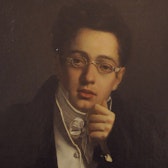
Schubert made two cuts, totaling 98 bars, in the finale of the E flat Trio, and insisted to his publisher Probst that these cuts be "most scrupulously observed."
Composer's Artistic Vision
Schubert, like Brahms a generation later, felt daunted by Beethoven's legacy, once writing, "Who can do anything after Beethoven?"
Interpretation
The Florestan Trio provides a rare opportunity to hear Schubert's original, longer version of the finale, which includes sections Schubert himself proscribed.
Composition History
Schubert composed his two piano trios in the final months of 1827, inspired by Beethoven's works and his interactions with leading Viennese musicians.
Critical Reception
Robert Schumann, a prominent composer and critic, described Schubert's E flat Trio in 1836 as "more spirited, masculine and dramatic" compared to its companion B flat Trio.
Notable Performances
The E flat Trio was the centerpiece of an all-Schubert benefit concert on March 26, 1828, which was Schubert's most spectacular public success and coincided with the first anniversary of Beethoven's death.
Compositional Technique
The slow movement of the E flat Trio features a main theme traditionally believed to be a Swedish folksong, which Schubert adapted so radically it became entirely his own.
You might also enjoy...
Schubert: Piano Trios
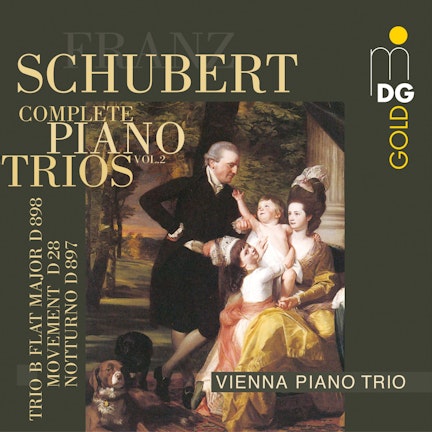
Schubert: Piano Trios in B-Flat Major, D. 898 and D. 28
Schubert: Piano Trios 2-CD-BOX
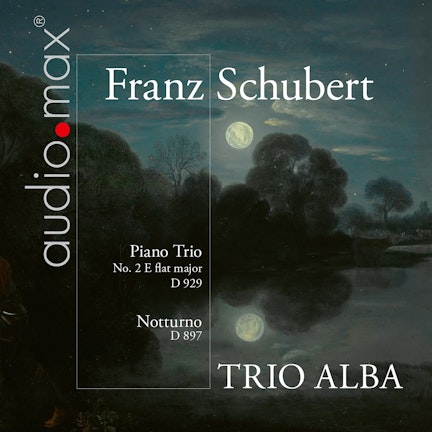
Schubert: Piano Trios in E-Flat Major, D. 929 and D. 897
Schubert: Piano Trio No. 2, Op. 100
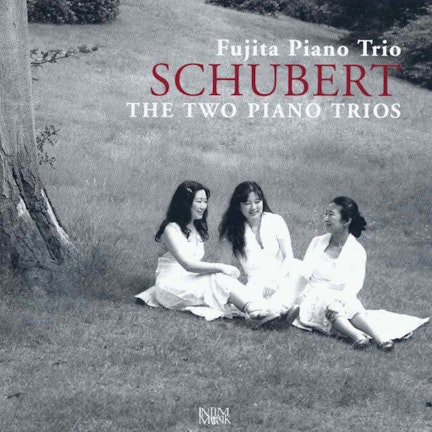
Schubert: Piano Trios Nos. 1 & 2
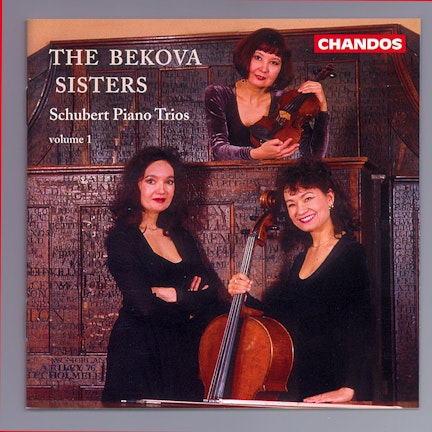
Schubert: Piano Trios Vol. 1
Schubert: Piano Trios Vol. 2
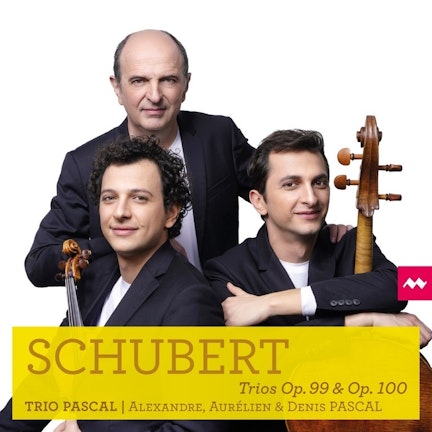
Schubert: Piano trios, Op. 99 & 100
Schubert: Piano Trios, Opp. 99 & 148
Schubert: Piano Trio No. 2, D. 929 - Notturno, D. 897