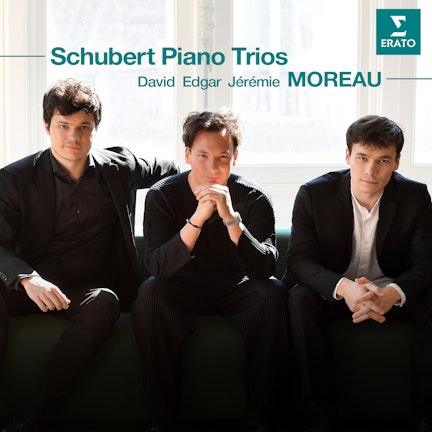
Robert Schumann, a prominent critic and composer, characterized Schubert's E-flat major trio as masculine and dramatic, seeing its opening movement as an encounter between deep anger and exuberant longing.
Composer Biography
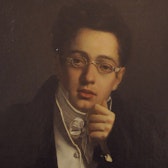
Franz Schubert died at the young age of 31, just as he was beginning to achieve fame and financial success.
Composition History
Schubert's decision to compose piano trios after a 15-year break was likely influenced by his friendship with pianist Carl Maria von Bocklet and the desire to follow in Beethoven's footsteps.
Composition History
Schubert's incurable illness, contracted in 1823, fueled a surge of creative work, leading to many significant compositions including the piano trios on this album.
Compositional Technique
Schubert chose B-flat major and E-flat major for his piano trios, keys that Ludwig van Beethoven, his predecessor, frequently used for this genre.
Historical Context
Schubert's contemporaries recognized his artistic importance and saw him as the legitimate successor to Ludwig van Beethoven, who had recently died.
Compositional Technique
Schubert, like Beethoven, elevated the cello from a mere accompaniment to an equal partner in chamber music, demanding the same technical abilities from the cellist as from the violinist.
You might also enjoy...
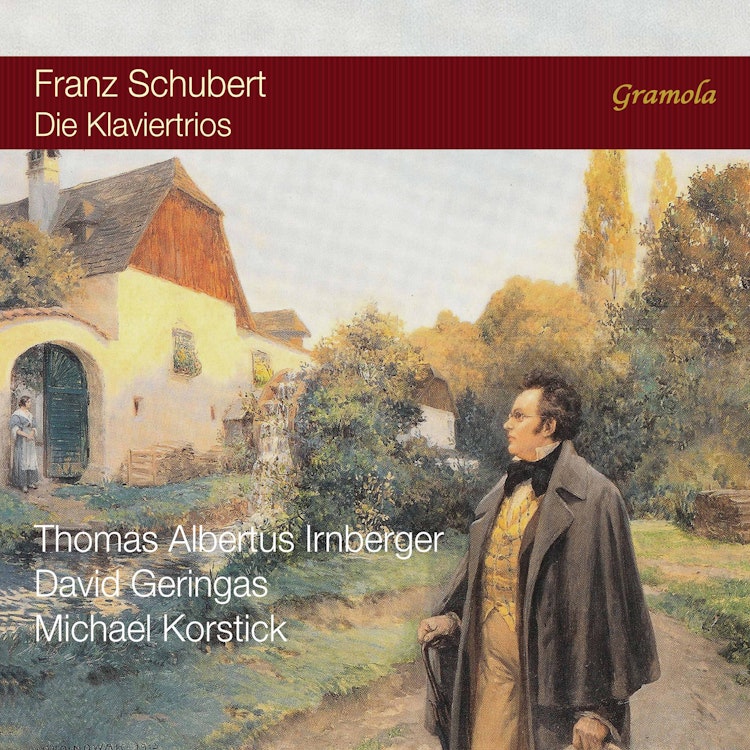
Schubert: The Piano Trios
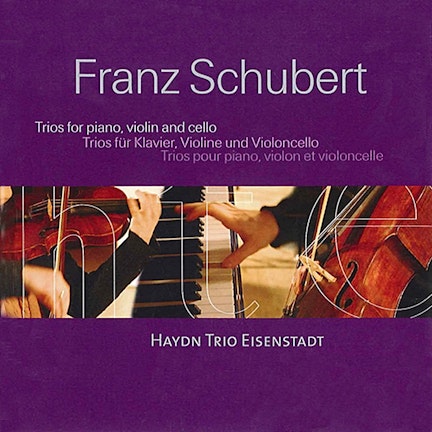
Franz Schubert: Piano Trios
Franz Schubert: Piano Trios Nos. 1 & 2
Schubert: Piano Trio No. 1
Schubert : Piano Trio No.1 & Piano Trio, 'Notturno'