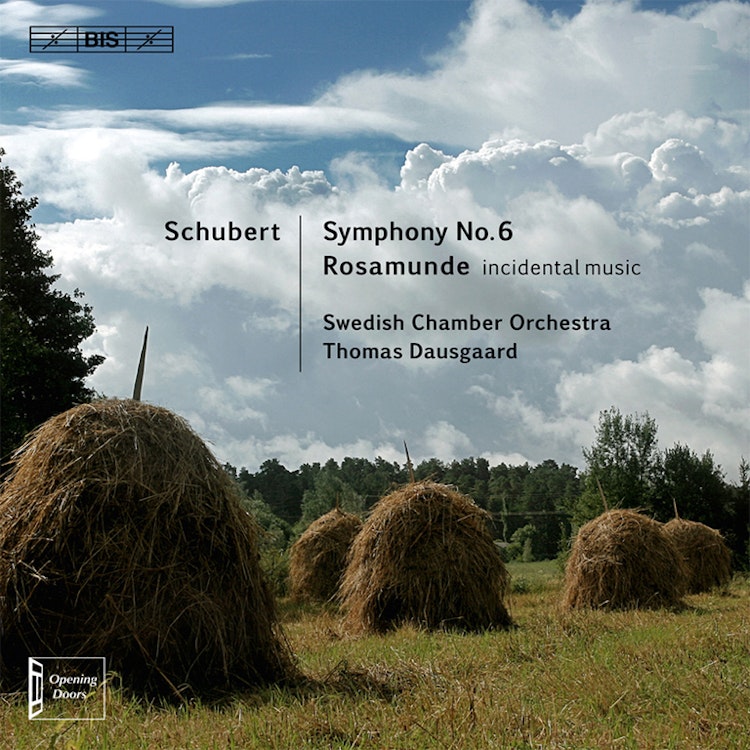
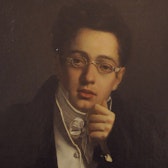
In his Symphony No. 6, Schubert paid tribute to the 'Rossini fever' of the period, incorporating elements like the cavatina style and uncomplicated ABAB form found in Rossini's opera overtures.
Composition History
Schubert's Symphony No. 6, D589, received its first public performance in Vienna in December 1828, more than ten years after its composition and a few weeks after the composer's death.
Critical Reception
Despite the play's failure, critics unanimously praised Schubert's incidental music for Rosamunde, ascribing 'genius' to the 26-year-old composer.
Compositional Technique
Schubert's Symphony No. 6, his last 'early' symphony, uniquely combines 'Italian superficiality' and 'Germanic profundity' by blending influences from Rossini and Beethoven.
Notable Performances
The December 1828 public performance of Schubert's Symphony No. 6 was the first public performance of any of Schubert's symphonies.
Critical Reception
The play Rosamunde, Princess of Cyprus, for which Schubert composed incidental music, was a critical and public fiasco at its 1823 premiere, described as 'empty, boring, improbable'.
Performer Biography
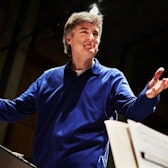
Thomas Dausgaard, the conductor on this album, has been chief conductor of the Swedish Chamber Orchestra since 1997 and has brought the ensemble to international attention.
You might also enjoy...
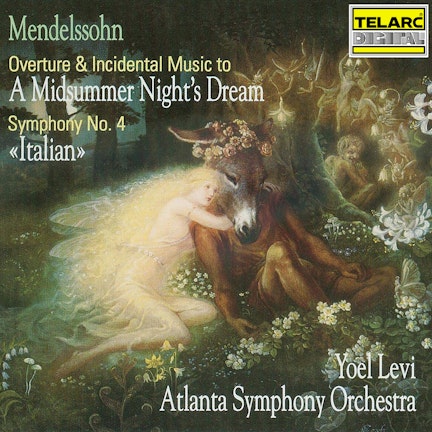
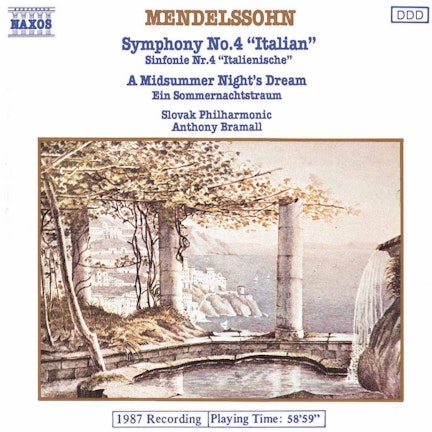
Mendelssohn: Music To A Midsummer Night's Dream & Symphony No. 4 in A Major, Op. 90, MWV N 16 "Italian"
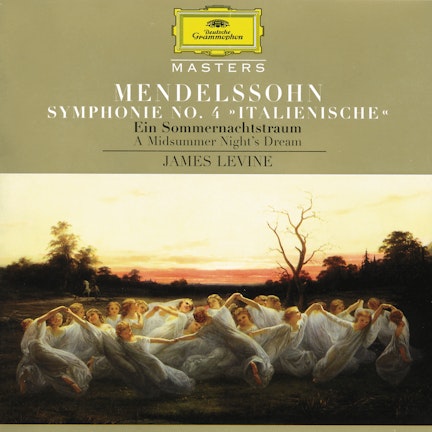
Mendelssohn: Symphony No. 4 / A Midsummer Night's Dream (Excerpts)
Claudio Abbado: The Last Concert
Mendelssohn: Ein Sommernachtstraum & Sinfonie Nr. 3, Op. 56, "Schottische"
Mendelssohn: Symphony No.4 "Italian"; A Midsummer Night's Dream
Tchaikovsky, P.I.: Symphony No. 1, "Winter Daydreams" / The Snow Maiden (Excerpts) / Romeo and Juliet
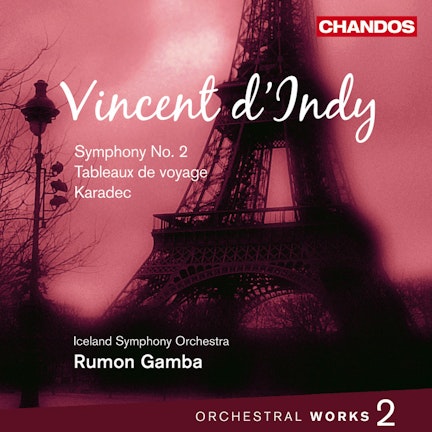
d'Indy: Orchestral Works, Vol. 2
Hindemith: Orchestral Works, Vol. 6
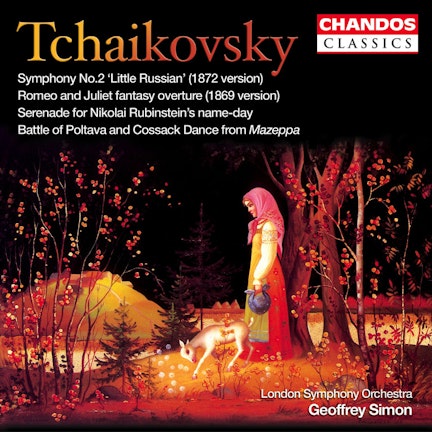
Tchaikovsky: Symphony No. 2 / Serenade for Nikolai Rubinstein's Name-Day / Mazeppa (Excerpts)
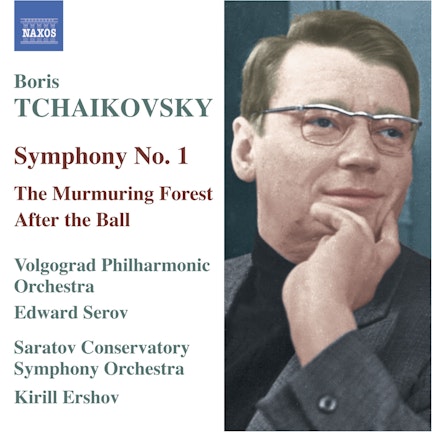
Tchaikovsky, B.: Symphony No. 1 / the Murmuring Forest Suite / After the Ball Suite