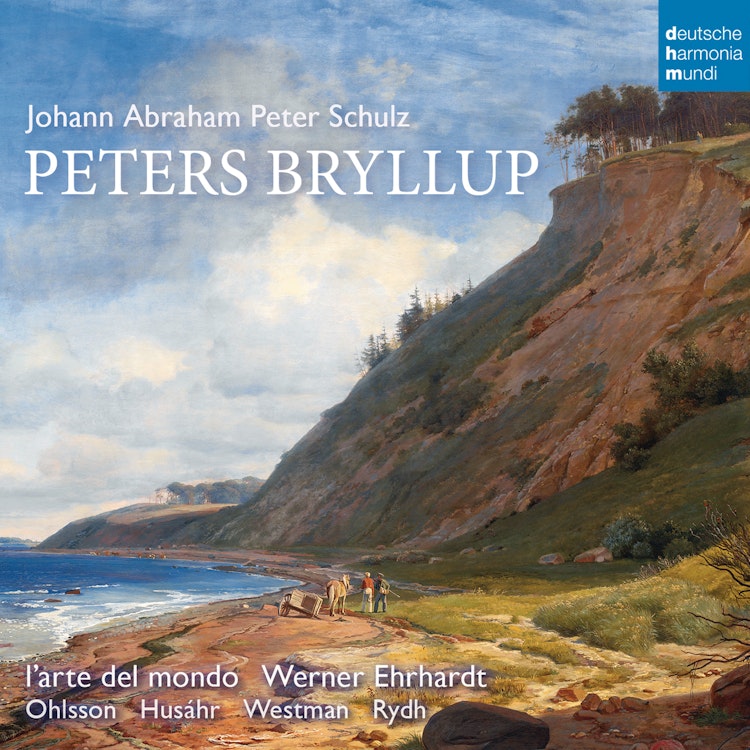
The character of Martin, a runaway slave in 'Peter's Wedding,' reflected contemporary issues, as Denmark had prohibited slave trade in 1792, though slavery itself was not abolished until 1848.
Historical Context
The play 'Peters Bryllup' was performed at the Royal Danish Theatre in 1790, during a period of optimism following the liberation of peasants and hopes for a less absolute monarchy.
Composition History
'Peters Bryllup' is a sequel to Schulz's earlier successful work, 'The Harvest Festival,' and is set in the same village.
Composition History
'Peters Bryllup' (Peter's Wedding) is an old, forgotten score that has been brought back to life through this performance.
Cultural Impact
The Royal Danish Theatre, where 'Peters Bryllup' premiered, was a popular social venue, unlike many other European playhouses at the time.
Cultural Impact
Schulz's songs from 'The Harvest Festival' and 'Peter's Wedding' became widely popular and influenced subsequent Danish composers, including Carl Nielsen.
Composer's Artistic Vision
J.A.P. Schulz, the composer, believed in the power of harmony and simple tunes to elevate people's morality and spirit.
You might also enjoy...
Markevitch: Complete Orchestral Works, Vol. 6: La Taille de l'Homme
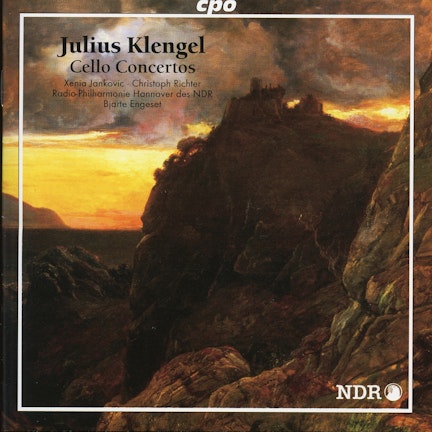
Klengel: Cello Concertos
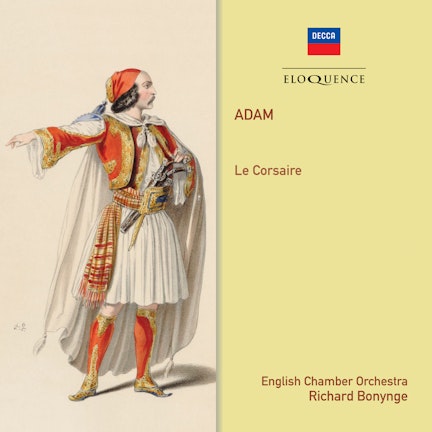
Adam: Le Corsaire
Neruda: Cello Concertos Nos. 1-5
Wilson: The Cello Has Many Secrets
Minkus: Don Quijote
Myslivecek: Symphonies in C Major / A Major / F Major / D Major / B-Flat Major / G Major
Lachner: Septet in E-Flat Major & Nonet in F Major
Monsigny: Le Deserteur
Wilson: Triple Concerto for Horn, Marimba and Bass Clarinet