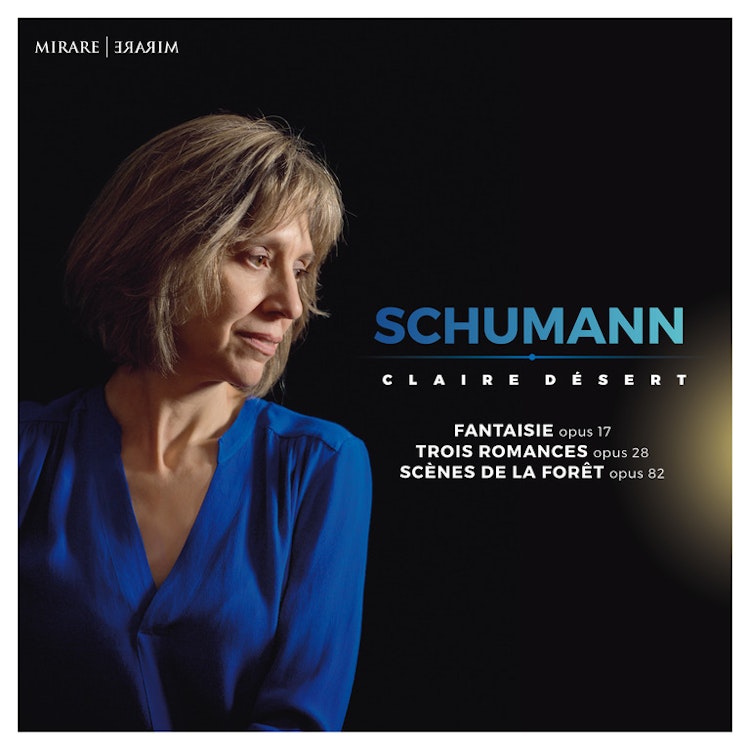
Schumann's Fantaisie, Op. 17, was composed in 1836 during a period of 'madness and despair' and was a 'long cry of love' for Clara Schumann, his future wife.
Composer Biography
Schumann loved walking and, like authors Chamisso or Tieck, wrote his own musical 'Bildungsroman' (coming-of-age novels) inspired by his daily strolls.
Performer Biography
Pianist Claire Désert has been dedicated to Schumann's work since her first recording in 1993 at age 26, regularly performing his solo piano, chamber, and concerto pieces.
Recording & Production
This album was recorded at the MC2 in Grenoble, France, in January 2018, a cultural center with a complex of four auditoria and rehearsal studios.
Composer's Artistic Vision
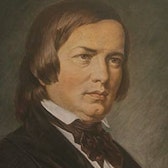
Robert Schumann, the composer, was deeply influenced by poets like Eichendorff, Heine, and Jaccottet, and his music often reflects themes of night, fantasy, childhood, and mysterious nature.
Critical Reception
While Moscheles found Schumann's Waldszenen (Forest Scenes) too 'sketchy,' Adorno, a philosopher and music critic, recognized its 'absolute modernity' and 'violent, radical brilliance.'
Compositional Technique
The Fantaisie, Op. 17, dedicated to Liszt and honoring Beethoven, defies piano technique, refuses tonal supports, and performs 'somersaults,' demanding constant passion.
You might also enjoy...
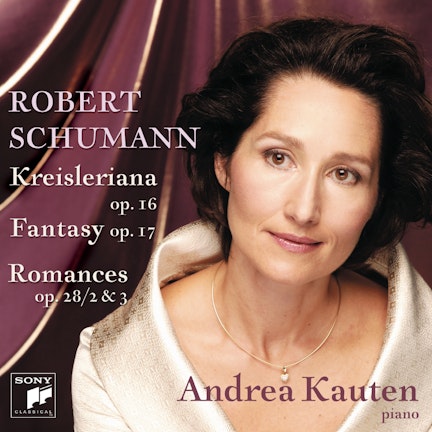
Schumann: Kreisleriana & Fantasy In C & 2 Romances