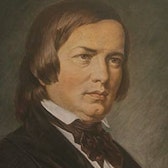
Schumann created two personas, Florestan (impetuous) and Eusebius (daydreamer), to represent opposing aspects of his personality in his early piano masterpieces.
Composer's Artistic Vision
Schumann's music is described as a world suspended between two mirrors, reflecting both a tormented psyche and an elysian landscape.
Composition History
The Fantasy, Op. 17, was written during a period of separation imposed on Robert Schumann and Clara Schumann by Clara's father.
Compositional Technique
In Carnaval, Op. 9, Schumann uses musical permutations of the letters SCHA (E-flat - C - B natural - A) to represent his name, similar to how J.S. Bach signed his name in music.
Interpretation
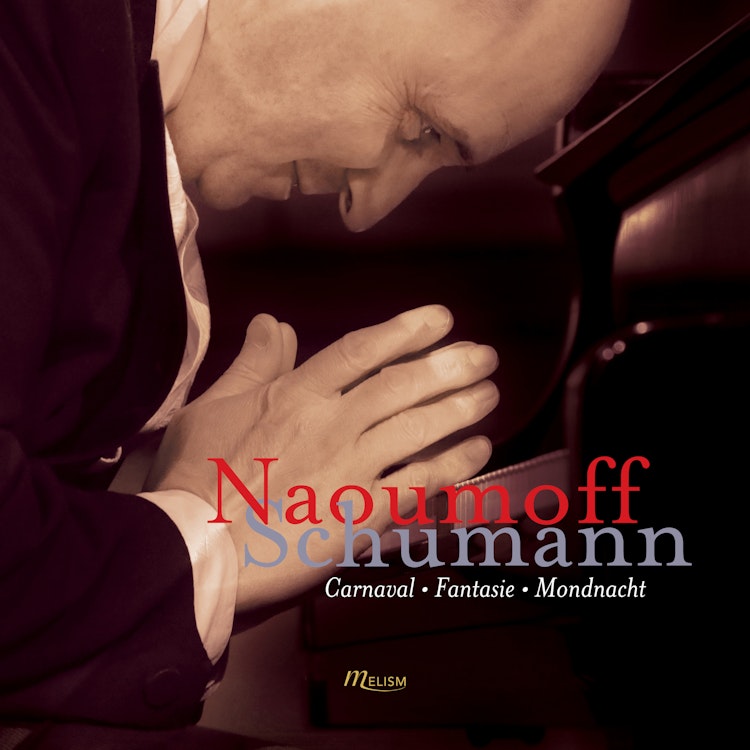
Pianist Emile Naoumoff improvised an ending to the third movement of Schumann's Fantasy, Op. 17, incorporating a Beethovenian melodic line and meditative arpeggios, in line with Schumann's original intention and the Romantic tradition.
Composition History
Schumann's Fantasy, Op. 17, was inspired by Franz Liszt's efforts to fund a statue honoring Ludwig van Beethoven, but more importantly, by Schumann's love for his future wife, Clara Schumann.
Compositional Technique
Schumann's approach to musical structure often places barlines at odds with musical phrases, creating tension and sometimes eroding metrical stability.
You might also enjoy...
Schumann: Fantasie, Kreisleriana & Arabeske
Schumann: Arabeske, Kreisleriana & Fantasie in C
Mendelssohn, Brahms & Schumann: Piano Works
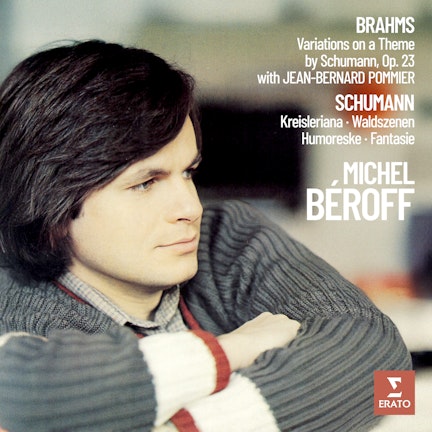
Brahms: Variations on a Theme by Schumann - Schumann: Kreisleriana, Waldszenen, Humoreske & Fantasie
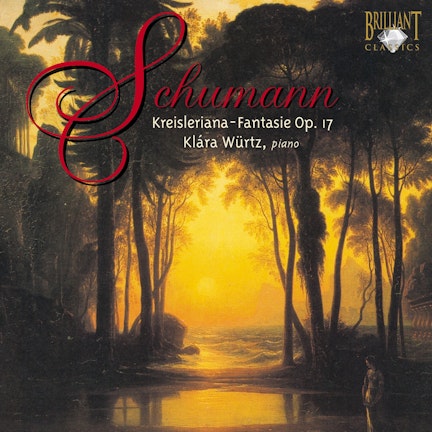
Schumann: Kreisleriana, Op. 16 - Fantasy, Op. 17
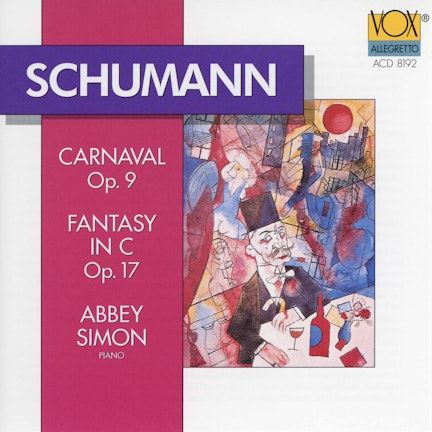
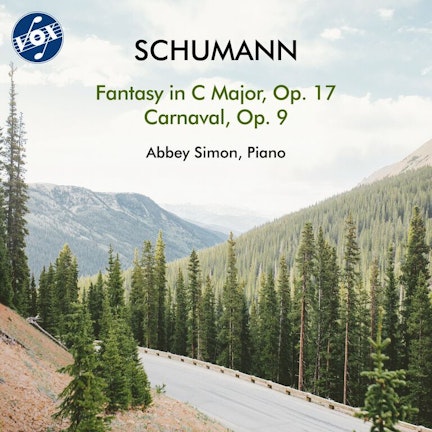
Schumann: Carnaval, Op. 9 & Fantasie in C Major, Op. 17
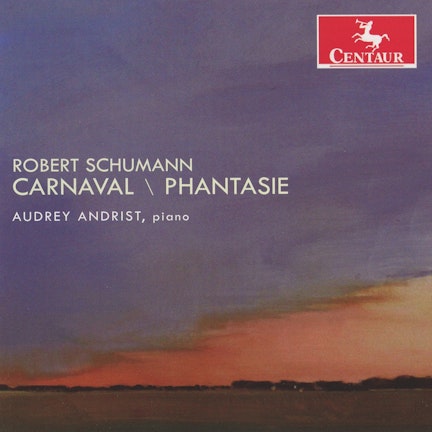
Schumann: Carnaval - Phantasie
R. Schumann: Fantasy in C Major, Op. 17 & Carnaval, Op. 9
Schumann: Kreisleriana
Schumann Kreisleriana & Fantasy Op. 17: Classic Library Series
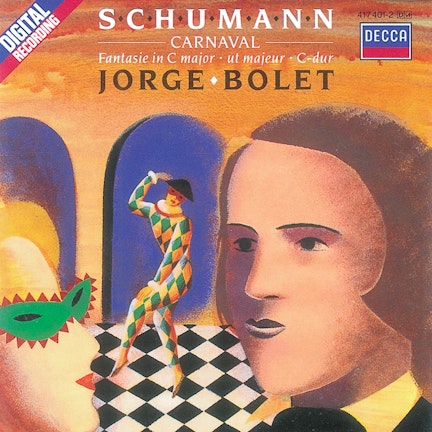
Schumann: Carnaval/Fantasie
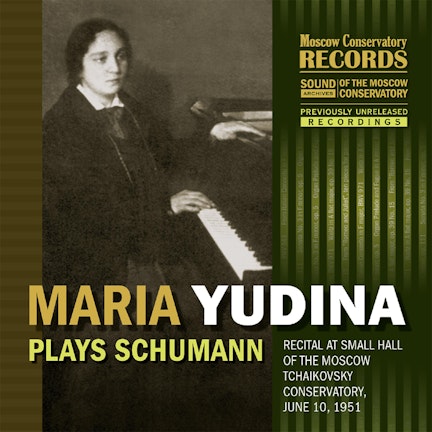
MARIA YUDINA PLAYS SCHUMANN
Schumann Kreisleriana & Fantasy Op. 17: Classic Library Series