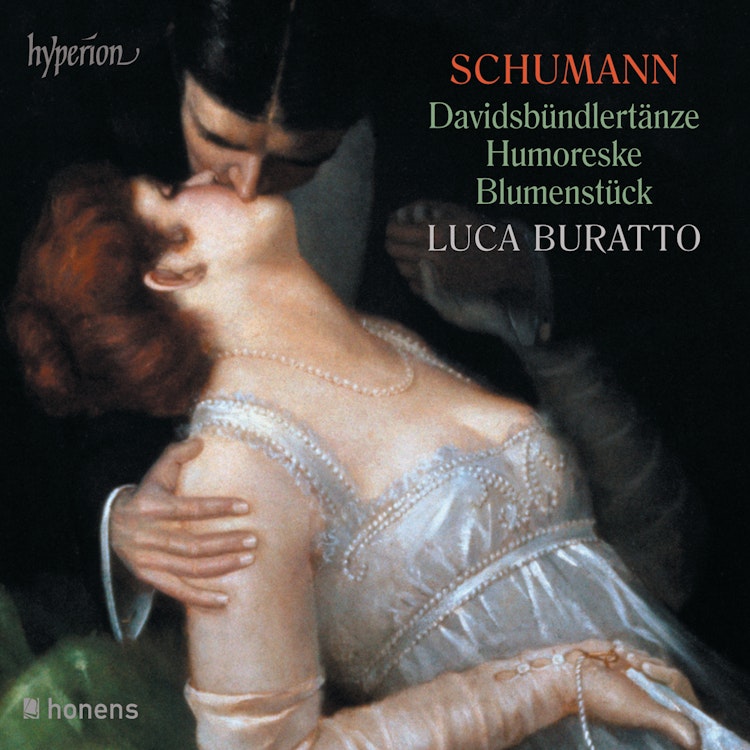
Luca Buratto, the pianist on this recording, was the 2015 Honens Prize Laureate and has performed at venues such as London's Wigmore Hall and Zankel Hall at Carnegie Hall.
Composer's Artistic Vision
Schumann often used two creative alter egos, 'Florestan' and 'Eusebius', to represent opposing sides of his creative persona: Florestan was unruly and impetuous, while Eusebius was a dreamer and a poet.
Composition History
Schumann and Clara Wieck (later Schumann's wife) became secretly engaged in the summer of 1837, choosing August 14th, St. Eusebius's name-day, for their betrothal.
Compositional Technique
In the Humoreske, a middle stave designated as an 'inner voice' is likely meant to be imagined by the pianist rather than actually played, indicating a melodic shape implicit in the texture.
Composer Biography
Schumann composed the Blumenstück and Humoreske during an eight-month stay in Vienna, where he unsuccessfully sought a publisher for the Neue Zeitschrift für Musik, a journal he edited.
Compositional Technique
The opening of Schumann's Humoreske features a song-like melody that begins away from the tonic, creating the impression that the music is starting in mid-stream.
Composition History
The Davidsbündlertänze were originally dedicated to Walther von Goethe, a grandson of the famous writer, but the music was clearly addressed to Clara Wieck.
You might also enjoy...
Schumann: The Complete Works for Piano, Vol. 1
Schumann: Piano Music, Vol. 10
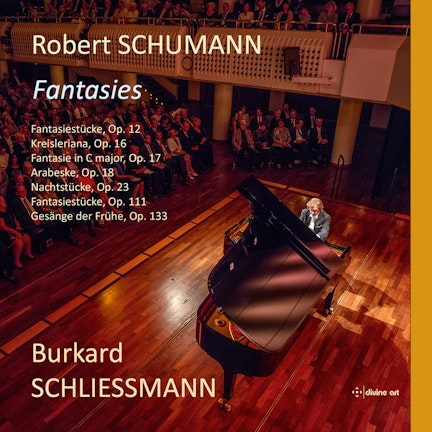
Robert Schumann: Fantasies
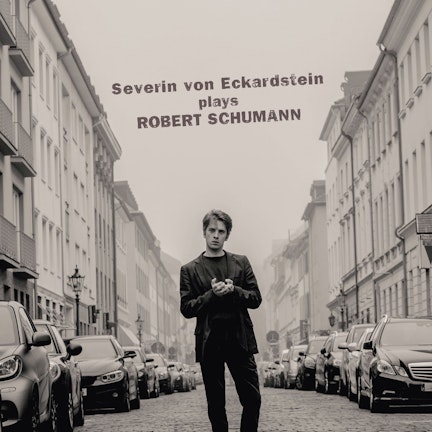
Severin von Eckardstein Plays Robert Schumann
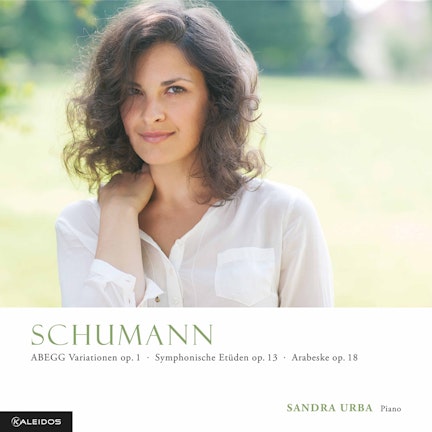
Schumann: Piano Works
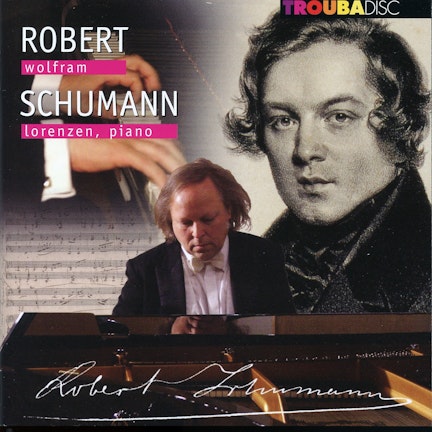
Schumann: Faschingsschwank aus Wien - Fantasiestücke - Etudes Symphoniques