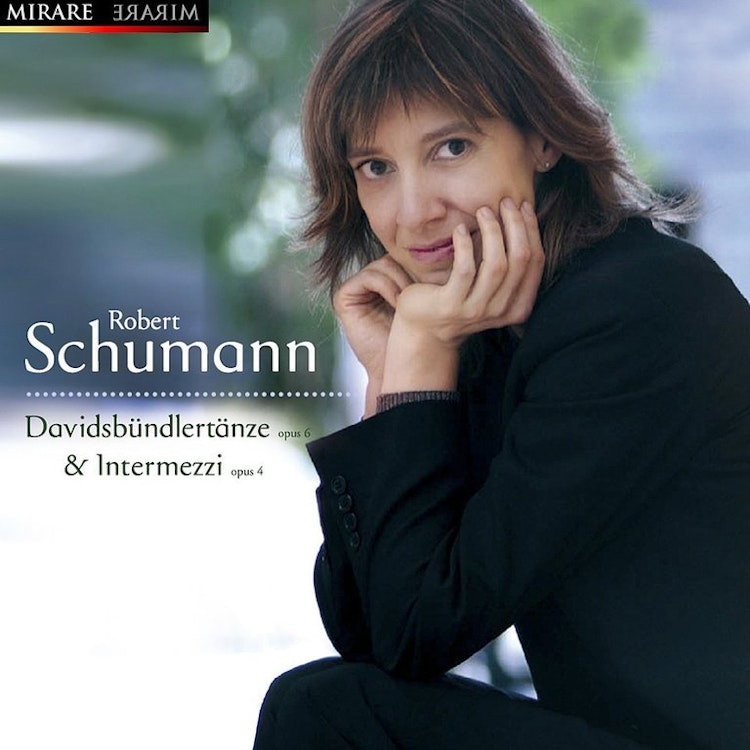
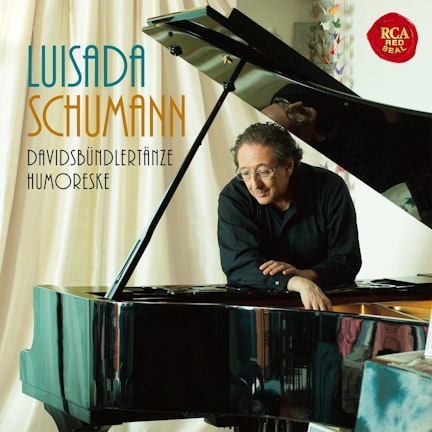
The Davidsbündlertänze feature Schumann's alter egos, Eusebius (tender and dreamy) and Florestan (passionate and fiery), with each piece originally signed by their initials or both.
Composition History
The Davidsbündlertänze, written in 1837, were inspired by Schumann's intense struggle to marry Clara Wieck, the daughter of his teacher, against her father's strong opposition.
Performer Biography
Claire Désert, the pianist on this album, entered the Conservatoire National Supérieur de Musique de Paris at just 14 years old and later studied at the Tchaikovsky Conservatory in Moscow.
Recording & Production
This album was recorded in June 2005 at the Salle de l'Horloge in Gramat, Lot, France.
Compositional Technique
Schumann's Intermezzi Op. 4, composed at age 22, are noted for their pianistic innovations, including tempo oscillations, syncopated rhythms, and contrasting episodes.
Composer's Artistic Vision
Schumann founded a musical criticism journal, the Neue Leipziger Zeitschrift für Musik, and a brotherhood called the Davidsbündler, named after King David, to fight against musical 'Philistines'—reactionary critics and audiences hostile to innovation.
Composer Biography
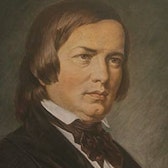
Schumann's piano music is deeply connected to his personal life, reflecting his self-questioning and contradictions.
You might also enjoy...
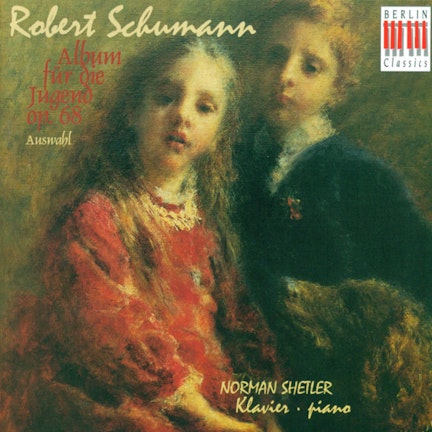
Schumann, R.: Album for the Young
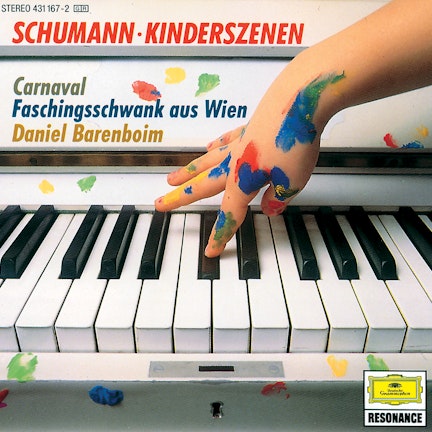
Schumann: Kinderszenen (Scenes from Childhood), Op. 15
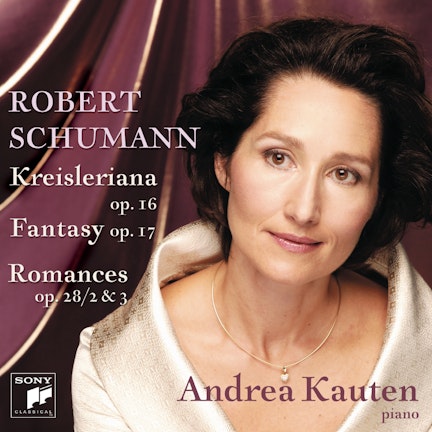
Schumann: Kreisleriana, Op. 16
Schumann: Album for the Young
Robert Schumann: Album fur die Jugend, Parts 1 and 2 (Shetler)
Schumann: Kreisleriana & Fantasy In C & 2 Romances
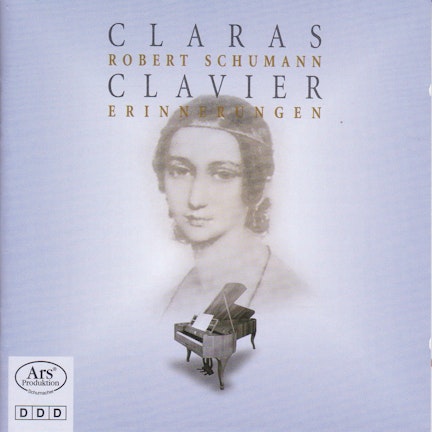
Schumann: An Clara
Schumann: Davidsbündlertänze, Faschingsschwank aus Wien & Novellette
Schumann: An Clara (Klavierwerke & Kammermusik, Vol. 1)