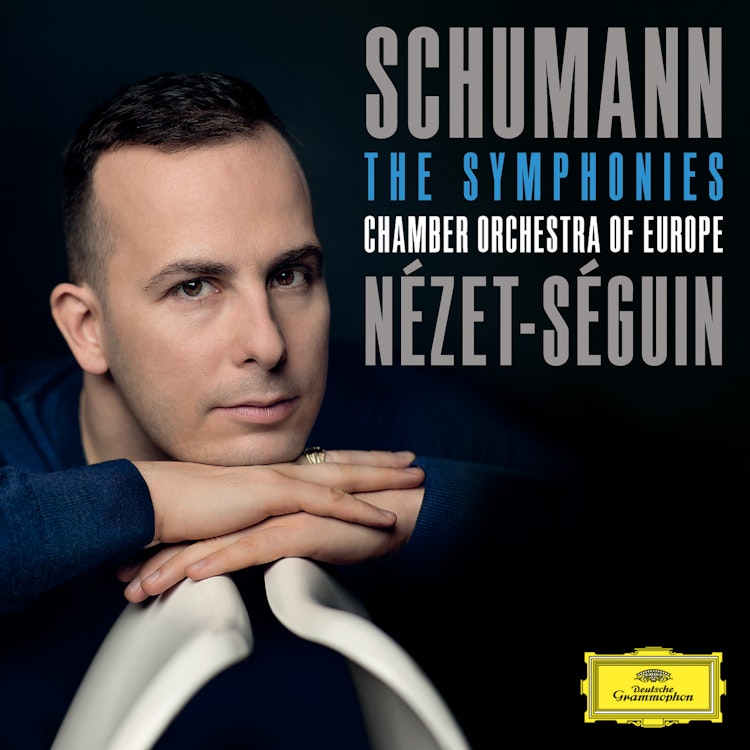
Conductor Yannick Nézet-Séguin believes Schumann's symphonies are best performed by a slightly smaller ensemble to achieve the necessary lightness and 'agitato' quality, especially in passages with fast tremolos.
Compositional Technique
Schumann's Symphony No. 1, known as the 'Spring' Symphony, was sketched in just four days and looks back to classical models in scale and ambition.
Recording & Production
For this recording, the Chamber Orchestra of Europe used a specific string section size: nine first violins, nine second violins, six violas, five cellos, and four double-basses.
Composer's Artistic Vision
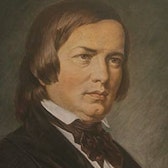
Schumann's music is deeply connected to his life and personality, reflecting dramatic shifts between melancholy and manic energy, sometimes within a single musical phrase.
Composition History
Robert Schumann's symphonic legacy is confusingly numbered, as the symphony known as No. 2 was actually his third, and the revised No. 4 was originally his second.
Composer Biography
The 'Rhenish' Symphony No. 3 is connected to the Rhine River, which also played a role in Schumann's life, as he once threw himself into its waters during a period of deep depression.
Interpretation
Yannick Nézet-Séguin chose to record the 1851 revised version of Schumann's Symphony No. 4 because he respects a composer's decision to revise their work out of artistic necessity.
You might also enjoy...
Schumann: Symphonies Nos. 1-4
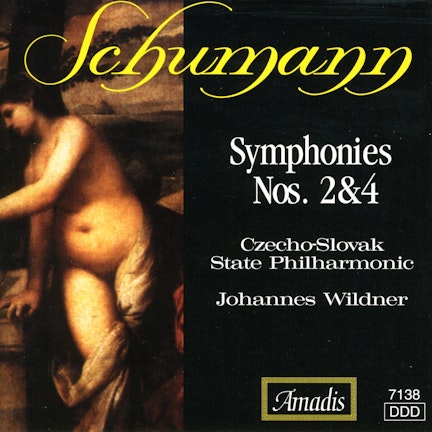
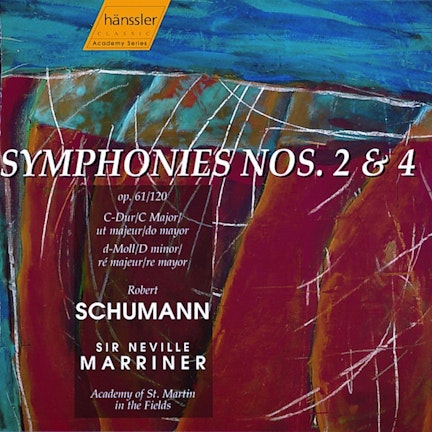
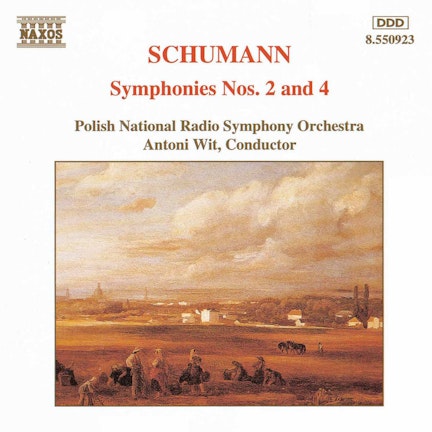
Schumann: Symphonies Nos. 2 and 4
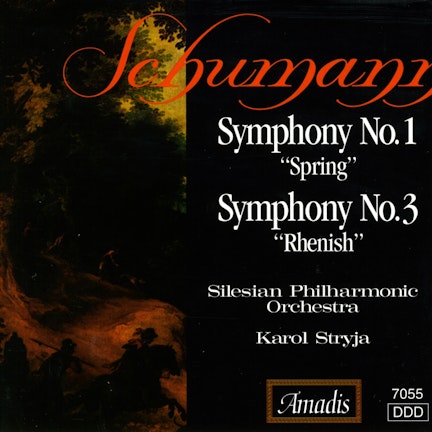
Schumann: Symphonies Nos. 1 and 3
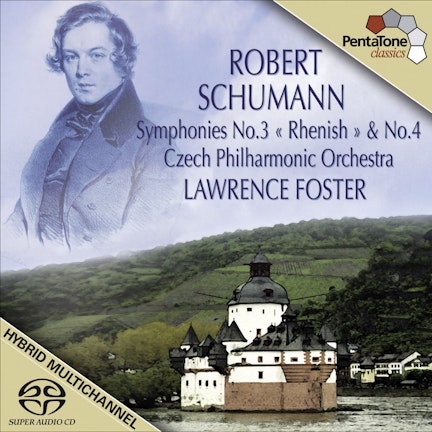
Schumann, R.: Symphonies Nos. 3, 4
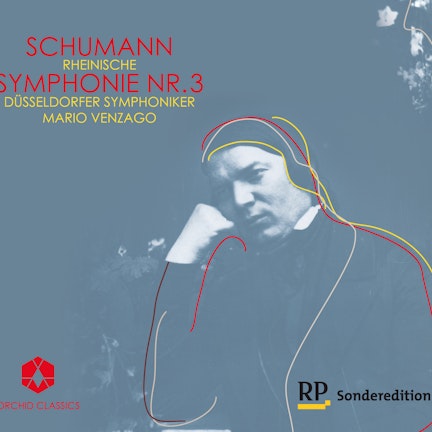
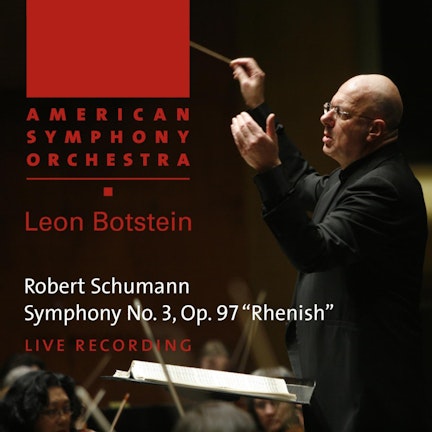
Schumann: Symphony No. 3, "Rhenish"
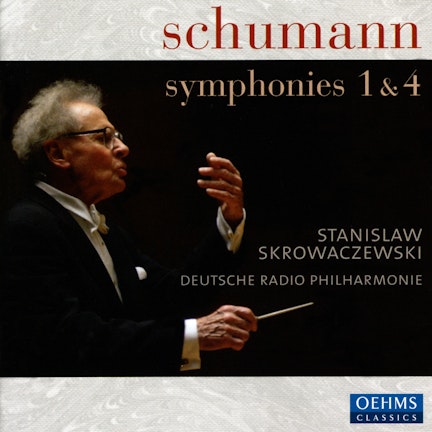
Schumann, R.: Symphonies Nos. 1, "Spring" and 4
Schumann: Symphonies Nos. 2 and 4
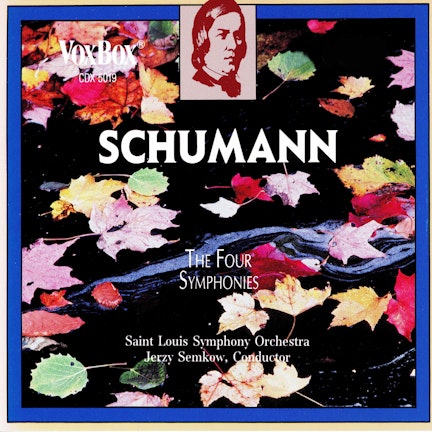
Schumann: The 4 Symphonies
Schumann: Symphony No. 3 in E-Flat, Op. 97 - "Rhenish"
Schumann, R.: Symphonies Nos. 2 and 4
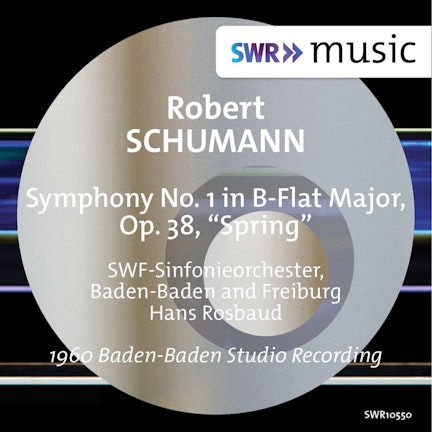
R. Schumann: Symphony No. 1 in B-Flat Major, Op. 38 "Spring"