Schumann's Papillons, Op. 2, was inspired by the final pages of the novel Flegeljahre by Jean Paul (Friedrich Richter), a writer who made a profound impression on the composer.
Instruments
The recording uses a fortepiano built by Johann Nepomuk Tröndlin (1790-1862) in Leipzig between 1830 and 1835, an instrument known for its robust construction and warm sound.
Performer Biography
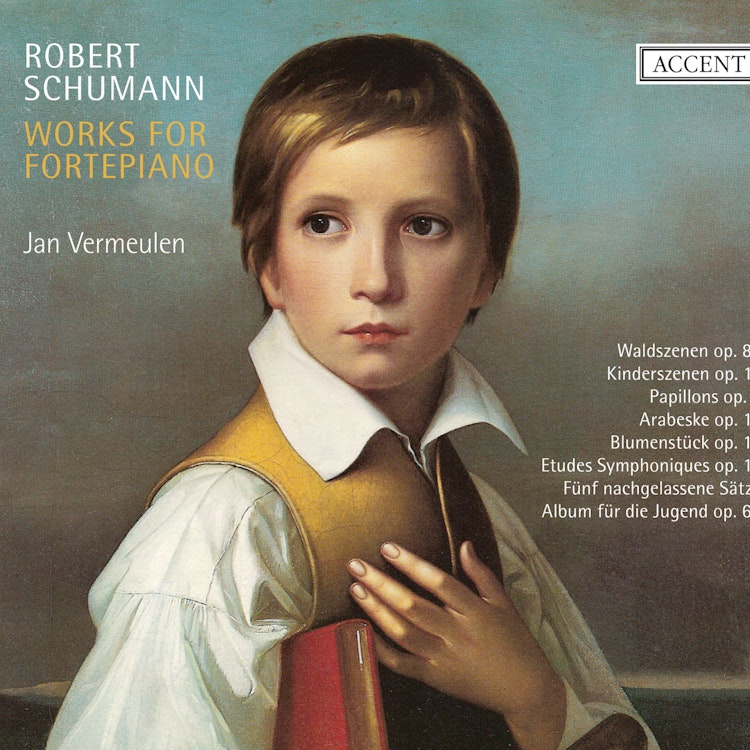
Jan Vermeulen, the pianist, has a private collection of six historical fortepianos, reflecting his dedication to authentic sound in classical, romantic, and impressionistic repertoire.
Interpretation
The performer, Jan Vermeulen, aimed to adhere as closely as possible to Schumann's original metronome markings, which often differ significantly from common performance traditions.
Composer's Artistic Vision
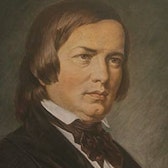
Robert Schumann, the composer, often referred to himself as a 'grown-up child' and deeply cherished childhood, which is reflected in many of his compositions.
Compositional Technique
The Etudes Symphoniques, Op. 13, is considered a milestone in the art of variation for piano music, following Beethoven's Diabelli-Variations.