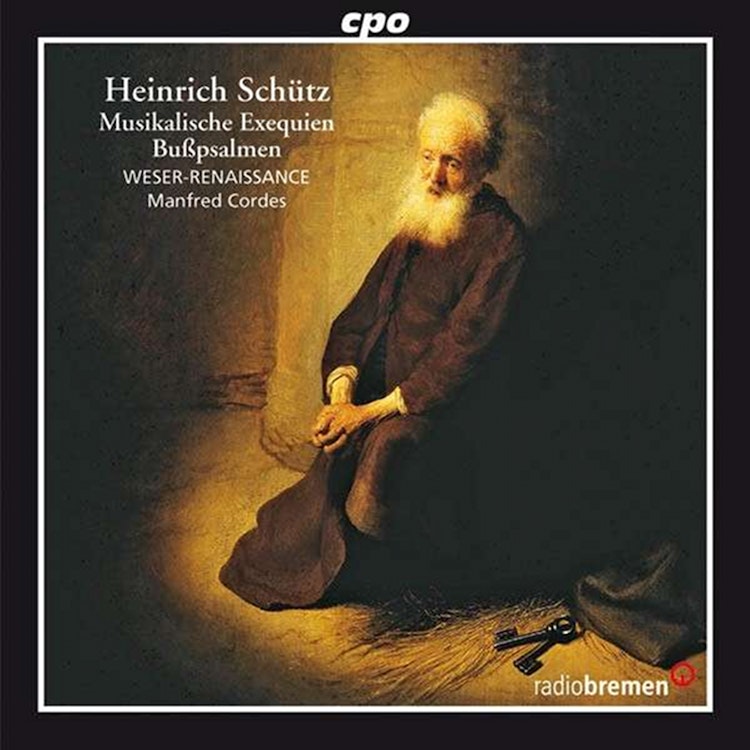
Schütz structured the Musikalische Exequien by setting biblical texts in a concerto style for a few voices and chorale strophes for a full six-part ensemble, recommending 'Capella' forces for the latter.
Performer Biography
Weser-Renaissance Bremen, led by Manfred Cordes, has become a sought-after ensemble for 16th and 17th-century music, with over 30 CD recordings.
Composer's Artistic Vision
Schütz intended for the three-part choir in the third part of the Musikalische Exequien to be placed "in the distance" and potentially in different locations to create the illusion of the soul soaring to heaven.
Critical Reception
Despite Schütz dedicating the printed Musikalische Exequien to the deceased's family and suggesting further performance opportunities, it was not widely performed until much later, when its artistic merit was recognized.
Compositional Technique
In the third part of the Musikalische Exequien, Schütz added a group of three singers representing the 'Beata anima' (the deceased's soul) and two seraphim, singing "Selig sind die Toten" (Blessed are the dead), to Simeon's hymn.
Composition History
The Musikalische Exequien were commissioned by Heinrich Posthumus von Reuß's widow and sons after his death, based on texts he had chosen for his copper coffin.
Composition History
Heinrich Schütz's Musikalische Exequien is the most extensive and artistically significant of his funerary compositions, written for Heinrich Posthumus von Reuß.
You might also enjoy...
LUTHER Collage
Praetorius: Magnificat
Veni Domine: Advent & Christmas At The Sistine Chapel
From Spain To Eternity - The Sacred Polyphony Of El Greco's Toledo