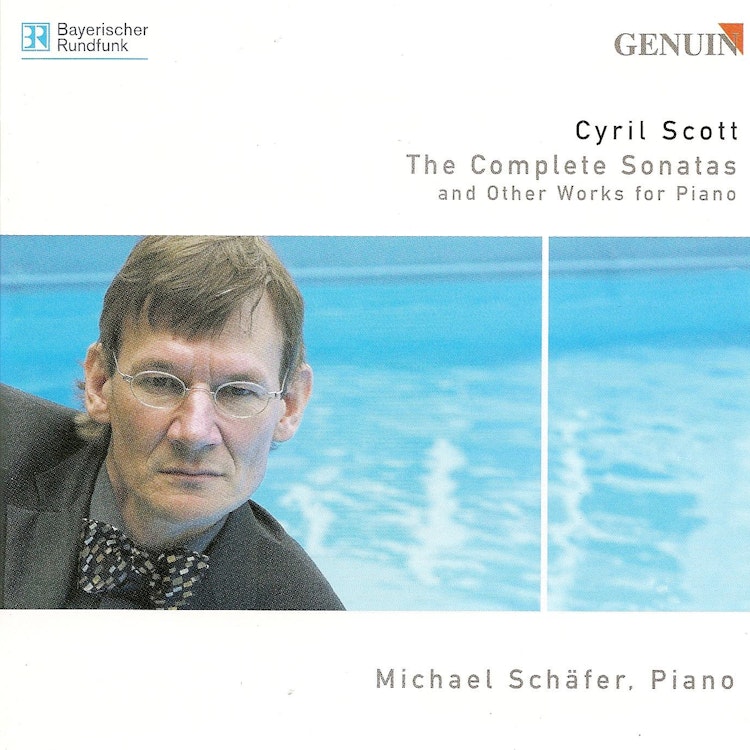
Scott, C.: Piano Sonatas (Complete) / Sphinx / Rainbow Trout / Rondeau De Concert / Ballade / Victorian Waltz
1/1/2005, 13 Tracks, 1:18:19
Featuring
Michael Schäfer
Cyril Scott
Did you know?
1/7
Compositional Technique
A striking characteristic of Cyril Scott's music, starting with his Op. 66 Sonata, is the use of parallel dissonant chords, which blur the distinction between consonance and dissonance.
Compositional Technique
Cyril Scott's Sonata Op. 66 from 1909 features frequent meter changes, with 11/8 and 17/16 occurring often, and harmonies that fluctuate between impressionistic, late romantic, and atonal styles.
Compositional Technique
Cyril Scott's Second Sonata from 1932 is characterized by an anti-sensual austerity, monotonous rhythms, and primitive harmonic and melodic writing, creating a remote tonal world.
Performer Biography
Michael Schäfer, the pianist on this recording, is known for featuring unusual repertoire and has helped forgotten composers' descendants receive unexpected royalty earnings.
Composer Biography
Cyril Scott, the composer, was a multifaceted individual: a pianist, poet, occultist, theosophist, and practitioner of alternative medicine, who also wrote extensively on musicology and medicine.
Composer Biography
Cyril Scott, born in 1879, lived to be 90 years old, outliving many of his contemporaries, though he had largely fallen out of public view by the time of his death in 1970.
Composer's Artistic Vision
Cyril Scott's creative output reflected nearly the entire range of imaginative and stylistic directions of the twentieth century, which he assimilated with apparent ease.
You might also enjoy...
Dickinson: Piano Music
Bax: Piano Works, Vol. 2
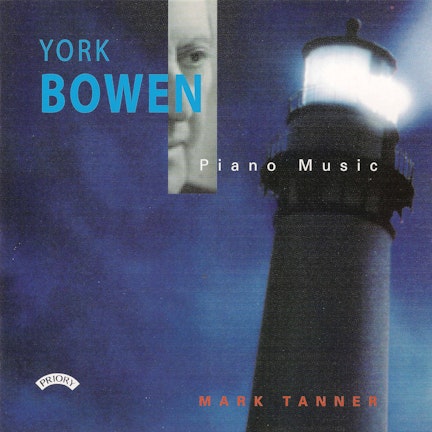
York Bowen Piano Music: Preludes; Sonata No. 5; Romances etc.
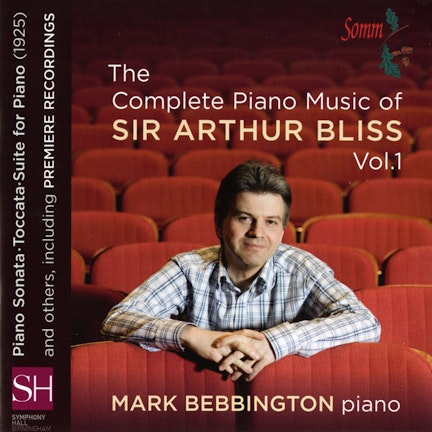
The Complete Piano Music of Sir Arthur Bliss, Vol. 1