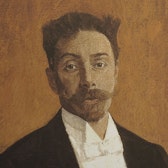
Alexander Scriabin's life was short and brilliant, with his unexpected death in 1915 falling during the Easter period, adding to mystical interpretations by his contemporaries.
Composer Biography
As a child, Scriabin adored Chopin, even sleeping with a copy of Chopin's music under his pillow, which influenced his early compositions.
Composer's Artistic Vision
Scriabin's Fourth Sonata, Op. 30, is notable for its programmatic conceptualization, with the composer writing a text in French to stimulate its creation, describing a journey towards a shimmering star.
Composer's Artistic Vision
Scriabin's music evolved dramatically over 25 years, moving from early works influenced by Chopin to a later style that initiated a colossal break from previous aesthetic canons.
Compositional Technique
Scriabin returned to the prelude genre 90 times, making it a microcosm of his creativity and a reflection of his artistic growth, from his first Prelude at age fifteen to his last, Op. 74.
Composition History
Scriabin's First Sonata, Op. 6, was composed during a profound crisis after he injured his right hand from over-practicing difficult piano works by Balakirev and Liszt.
Critical Reception
The ending of Scriabin's Fifth Sonata, Op. 53, left a shocking impression at its first performances, with one famous summary stating, 'this music does not end, but cease'.
You might also enjoy...
Scriabin: The Solo Piano Works
Tubin: Complete Piano Music
Stanchinsky: Piano Works
Respighi: Complete Solo Piano Music
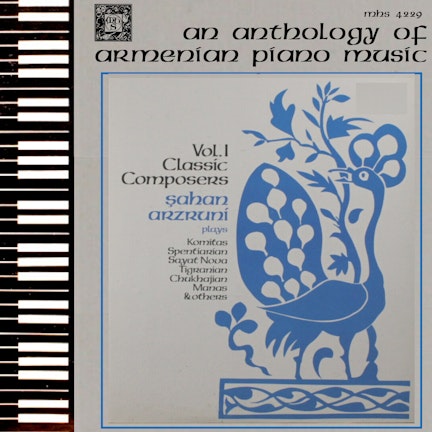
An Anthology of Armenian Piano Music, Vol. 1 - Classic Composers
Tchaikovsky: The Seasons (Excerpts) / Rachmaninov: Preludes / Scriabin: Piano Sonata No. 2
Scriabin: Piano Works
Rachmaninov: Senimental Moments
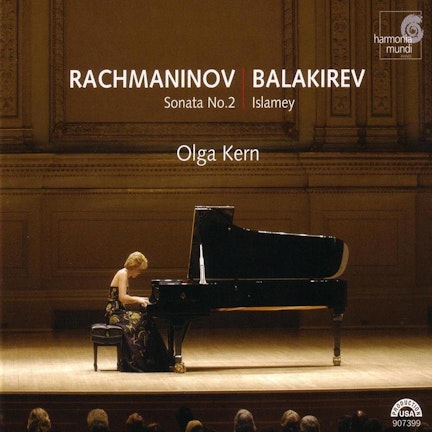
Rachmaninov: Sonata No.2 - Balakirev: Islamey
Nino Rota: Casanova Suite, 15 Preludes & Other Piano Works