Scriabin's early works show a strong influence from Fryderyk Chopin, with some pieces sounding very Chopinesque, though perhaps even more stylized.
Composer Biography
Alexandr Scriabin (1872-1915) is considered a unique personality whose sensuously vibrant, often erotically ecstatic music, with its metaphysical and mystical overtones, perfectly encapsulates the 'fin de siècle' era.
Compositional Technique
Scriabin's 'second period' is characterized by complicated, chromatic harmonies, sudden changes, and a piano style heavily reliant on striking pedal effects with richly spreading chords.
Composer's Artistic Vision
Scriabin's Sonata No. 7, Op. 64, which he unofficially titled 'White Mass', was his own favorite piano work, as he believed it best expressed the joy he sought in his planned 'Mysterium'.
Composer Biography
Scriabin was almost exclusively an instrumental composer, with his reputation largely dependent on his works for solo piano.
Composer's Artistic Vision
Scriabin described his Sonata No. 10, Op. 70, as an 'insect sonata', stating that 'If we perceive things in this way, the world appears to us as a living being'.
Composition History
The Sonata No. 9, Op. 68, known as 'Black Mass', was referred to by Scriabin himself as a 'poème satanique' (satanic poem), and he told Rimsky-Korsakov's widow that its second motif was 'the theme of approaching death'.
You might also enjoy...
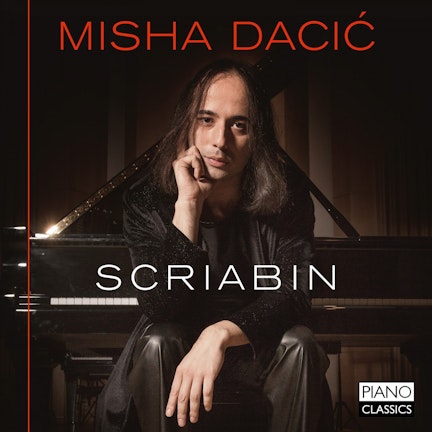
Scriabin: Piano Music
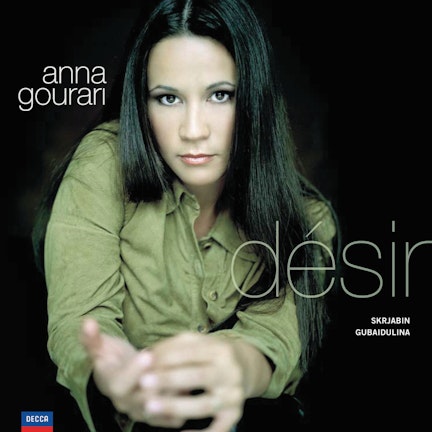
Desir
Scriabin: Vers la Flamme
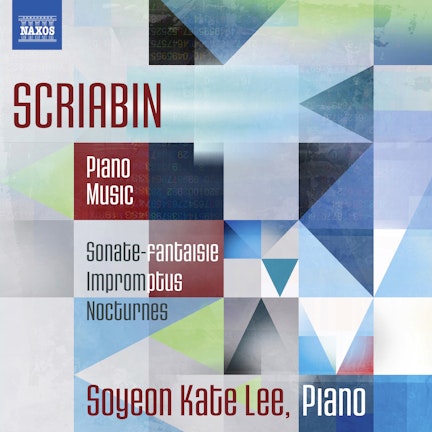
Scriabin: Piano Music
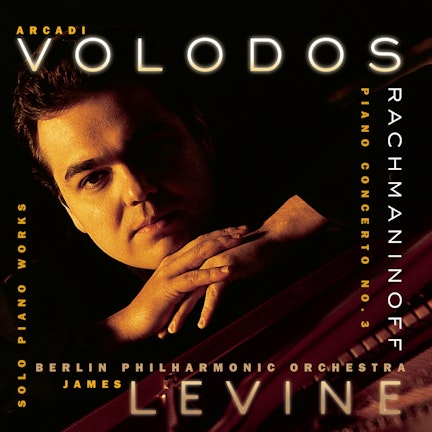
Arcadi Volodos - Rachmaninoff: Concerto No. 3 in D minor for Piano & Orchestra, Op. 30