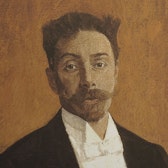
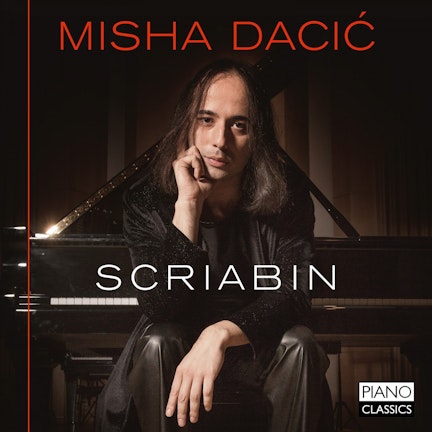
Alexander Scriabin's mother, Ljubov Petrovna Stochtinina, was a talented pianist trained by Lescetiskij, but she died just one year after his birth.
Composer's Artistic Vision
Scriabin developed a unique artistic philosophy where sound, color, and even olfactory sensations were meant to converge into a mystical experience, making music a form of religion.
Historical Context
The last four collections of piano works on this album (Opuses 71, 72, 73, and 74) were all written in 1914, marking the symbolic beginning of World War One and the end of an artistic epoch.
Composer Biography
As a teenager, Alexander Scriabin was initially set on a military career but was able to pursue music, studying piano from 1884 under Nicolaj Sverev, one of Moscow's most renowned teachers.
Performer Biography
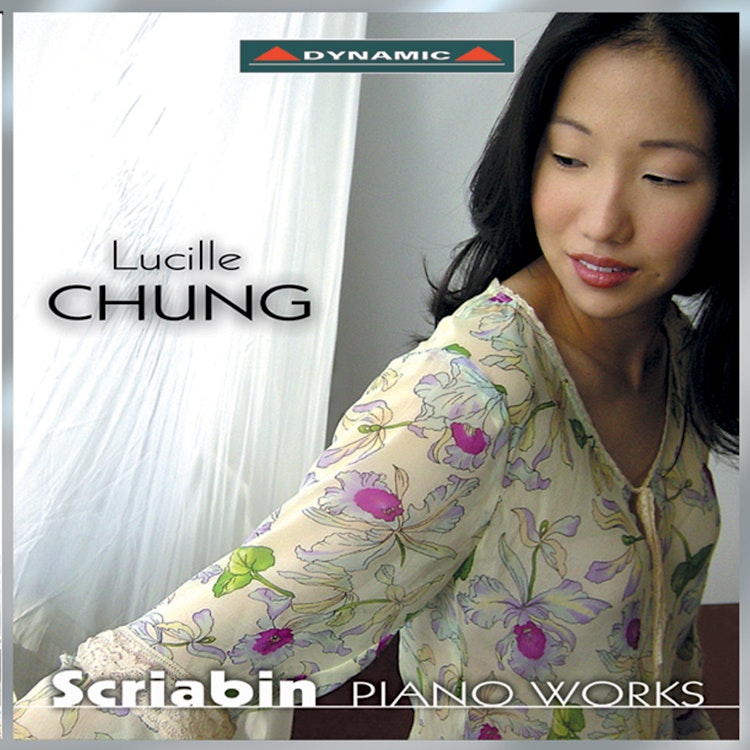
Pianist Lucille Chung made her debut at age ten with the Montréal Symphony Orchestra and was later invited by Charles Dutoit to be a featured soloist during the MSO Asian Tour in 1989.
Compositional Technique
Scriabin's later music, particularly from 1914, moved towards a visionary language characterized by extensive use of overlapping fourths and tritones, approaching atonality.
Composition History
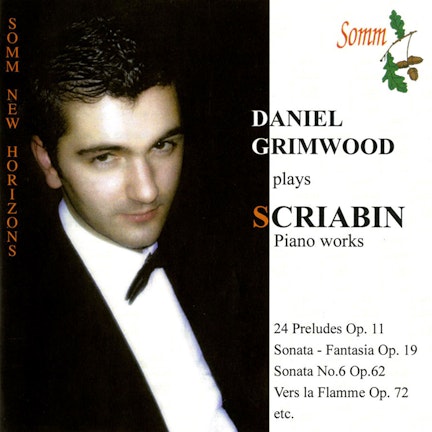
The 24 Preludes Op. 11 were originally conceived as a cycle of 48 works, but Scriabin's editor, Belaiev, convinced him to adhere to the traditional number of 24, following Chopin's model.
You might also enjoy...
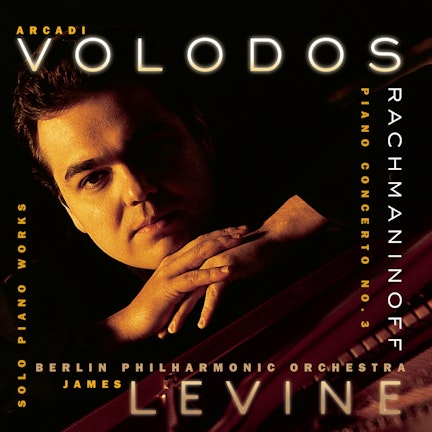
Arcadi Volodos - Rachmaninoff: Concerto No. 3 in D minor for Piano & Orchestra, Op. 30