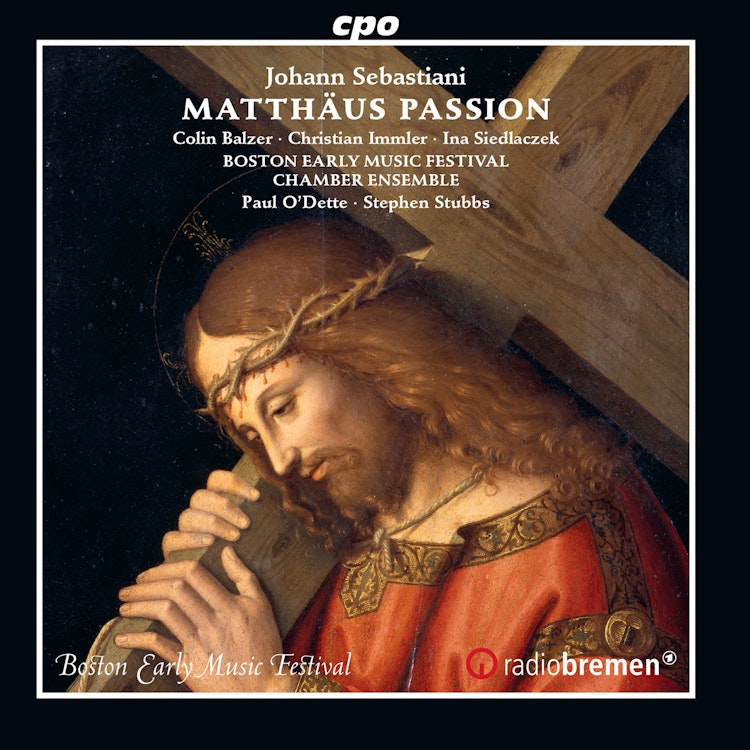
Sebastiani's St. Matthew Passion features chorales explicitly scored for solo soprano, four viols, and continuo, to be performed solistically, rather than for congregational participation.
Compositional Technique
Sebastiani's St. Matthew Passion is the first known passion setting to use multiple Lutheran chorales at dramatically strategic moments.
Composer's Artistic Vision
Sebastiani's St. Matthew Passion blends Renaissance traditions, such as homophonic turba choruses, with new Baroque elements like the Florentine recitative style and polyphonic viol consort accompaniments.
Compositional Technique
Sebastiani accentuates Jesus' remarks with a 'halo of violins,' a practice later copied by Bach and Telemann.
Composition History
Sebastiani's St. Matthew Passion was composed in 1663 for the Königsberg court and published in 1672 due to popular demand from listeners in Prussia.
Composer Biography
Johann Sebastiani, the composer of this St. Matthew Passion, was born near Weimar and became court Kapellmeister for the Elector of Brandenburg in Königsberg in 1661.
Recording & Production
The Boston Early Music Festival Chamber Ensemble's recording of Sebastiani's St. Matthew Passion was made immediately before a concert performance of the work at the Musikfest Bremen.
You might also enjoy...
Monsigny: Le Deserteur
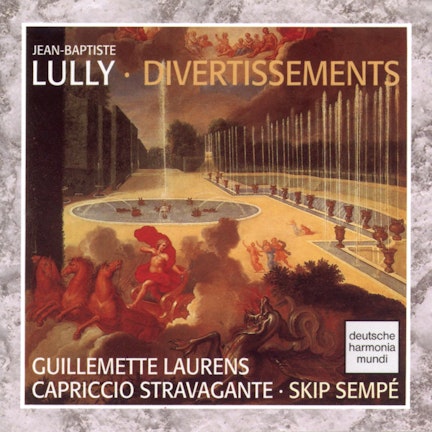
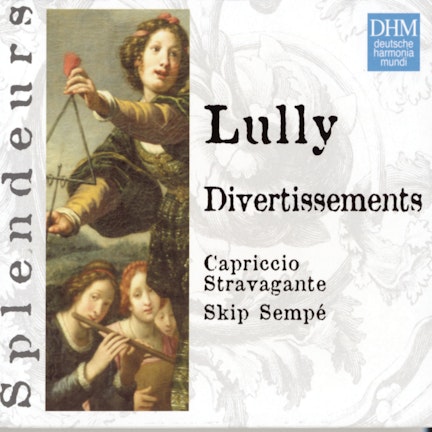
Lully: Divertissements
Marais: Pièces de Viole, Book IV, Suitte d'un Goût Étranger (Excerpts)