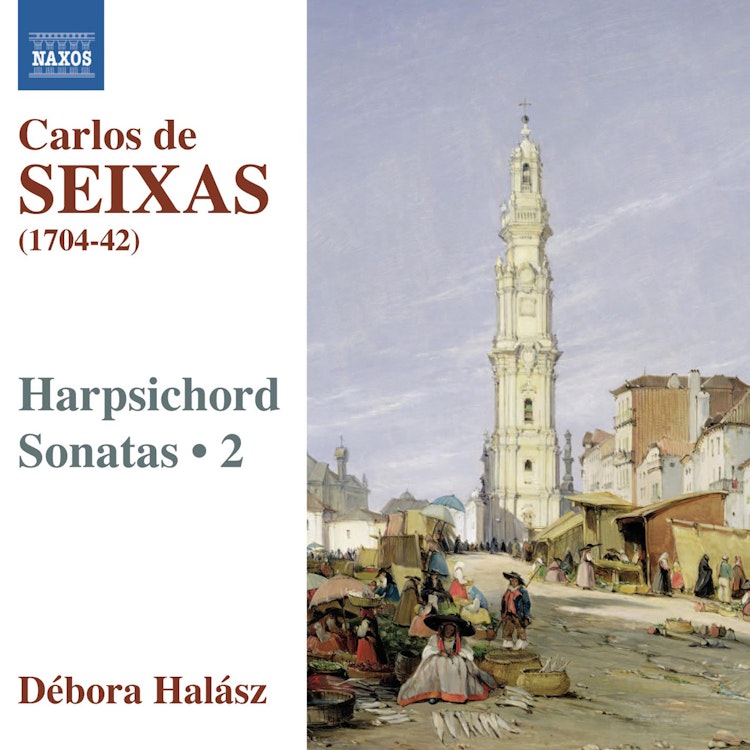
The devastating Lisbon earthquake of 1755, thirteen years after Carlos de Seixas's death, may have destroyed many of his works, as very little of his choral music survives and no autographs of his keyboard sonatas exist.
Composer's Artistic Vision
Carlos de Seixas combined Italian influences with the musical traditions of Spain and Portugal to create his sonatas, which were intended for a varied clientele including organ voluntaries, liturgical music, and concert use.
Performer Biography
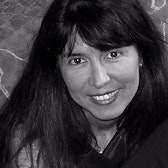
Débora Halász, the performer on this album, is a Brazilian pianist praised as a superb virtuoso and was named the best soloist of the year for her interpretation of Rachmaninov's Third Piano Concerto.
Composer Biography
Carlos de Seixas was knighted by King John V in 1738 due to his eminence as a virtuoso keyboard performer and composer in Portugal.
Composer Biography
Carlos de Seixas, a Portuguese composer, became organist of Coimbra Cathedral at age fourteen and later served the Chapel Royal and Patriarchal Cathedral in Lisbon from age sixteen.
Recording & Production
This recording features a harpsichord that is a historic copy of an instrument by Hieronymus Haas (1734), built by Lutz Werum, and tuned in Vallotti temperament.
Composition History
Domenico Scarlatti, a contemporary composer, reportedly told the Portuguese Infante Don Antonio that Carlos de Seixas was one of the best musicians he had ever heard.