Selichius virtuosically uses polychoral writing, varying solo, choral, and instrumental parts in each concerto to give it a distinctive structural character.
Composition History
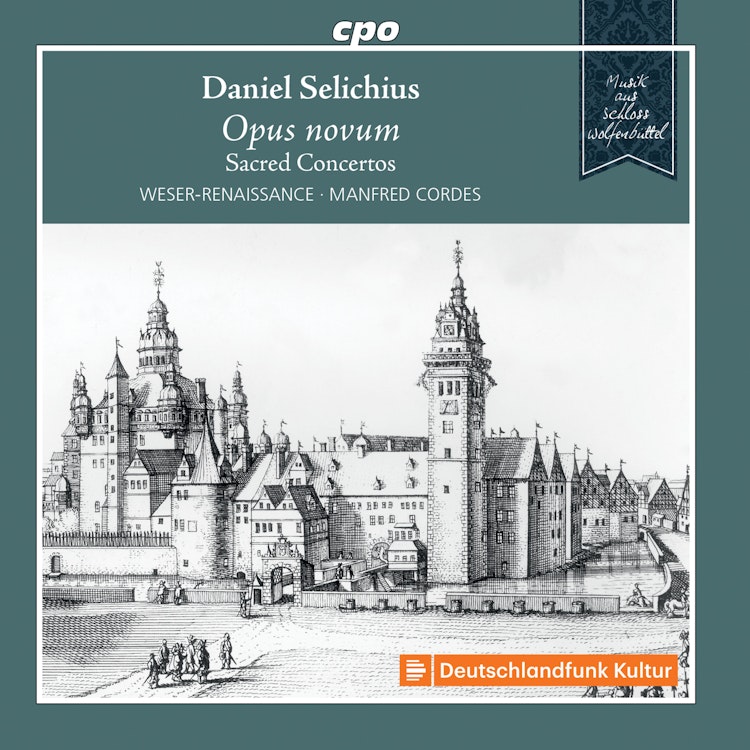
Daniel Selichius's "Opus novum Geistlicher Lateinischer und Teutscher Concerten und Psalmen Davids" is one of the earliest printed collections of lavishly scored sacred concertos in Protestant lands.
Compositional Technique
Selichius was particularly impressive in his use of echo effects, achieved through dynamic contrasts, onomatopoeic reverberations, or significant repetition of text passages.
Historical Context
Wolfenbüttel, where Daniel Selichius worked, became a center of Lutheran musical culture in northern Germany due to the House of Welf's efforts to gain European recognition through cultural achievements.
Composer Biography
Daniel Selichius, the composer, was born in Wittenberg in 1581 and was deeply influenced by the early Reformation in his religious outlook and education.
Performer Biography
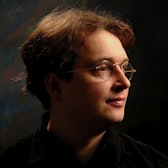
WESER-RENAISSANCE Bremen, led by Manfred Cordes, is an internationally renowned ensemble specializing in 16th and 17th-century music, focusing on repertoire from Josquin Desprez to Dieterich Buxtehude.
Compositional Technique
Selichius's compositions feature progressive instrumental treatment, with parts that not only double voices but also stand out in preludes and interludes, embellish voices, or augment them as an instrumental choir.