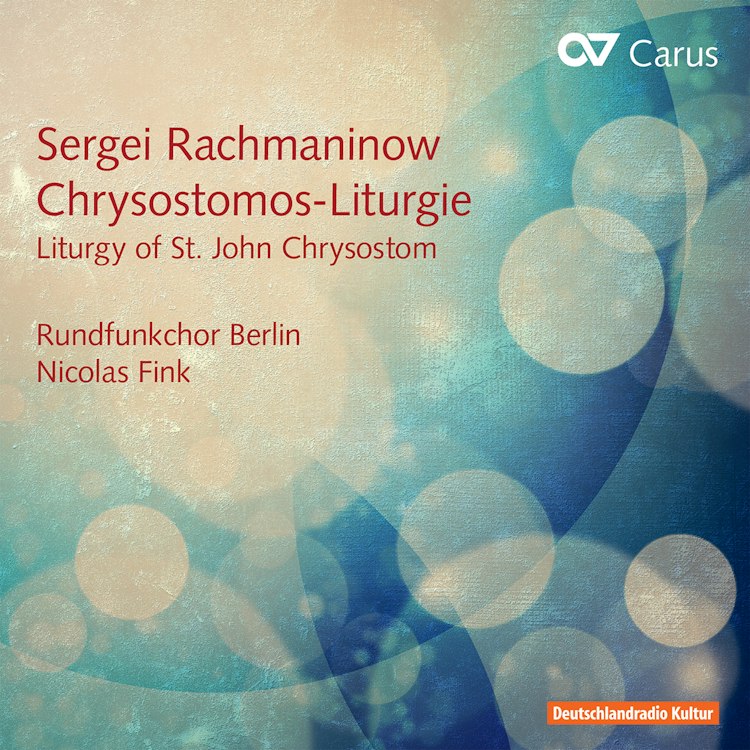
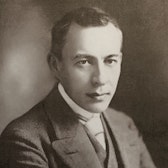
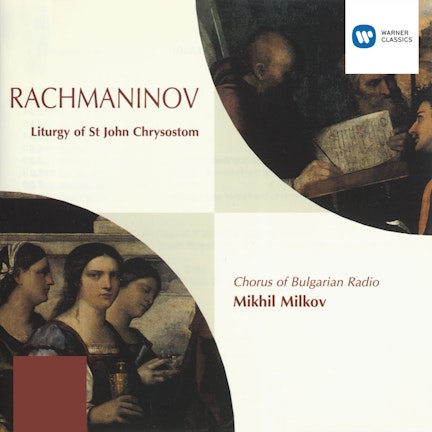
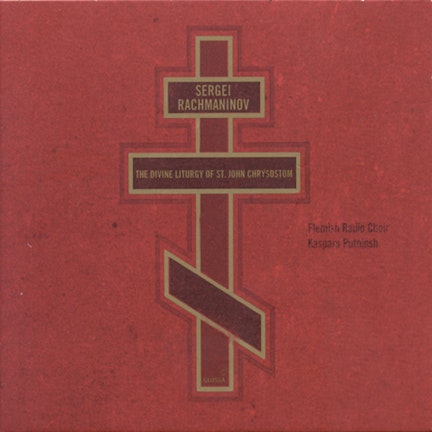
Sergei Rachmaninoff composed his Liturgy of St. John Chrysostom in June and July 1910 on his country estate, Ivanovka, located about 400 kilometers southeast of Moscow.
Composer's Artistic Vision
Rachmaninoff's Liturgy and his later All-Night Vigil, Op. 37, achieved a mastery that redefined Orthodox church music, though this development was interrupted by the 1917 Bolshevik Revolution.
Compositional Technique
In Orthodox worship, music is considered prayer, not autonomous art, and the entire liturgy is sung without instruments.
Compositional Technique
Rachmaninoff's Liturgy is stylistically complex, with some parts sounding archaic and modern, while others imitate Russian bell-ringing or reference Tchaikovsky's earlier setting.
Critical Reception
Rachmaninoff himself later criticized his Liturgy of St. John Chrysostom, contrasting it with his All-Night Vigil, Op. 37, which he considered exemplary.
Notable Performances
The premiere of Rachmaninoff's Liturgy was a concert performance on November 25 (December 8), 1910, by the Moscow Synodal School choir under Nikolai Danilin.
Composition History
Rachmaninoff's Liturgy, like Tchaikovsky's before it, was not approved by the church for use in worship, hindering its reception.
You might also enjoy...
R. Strauss: 4 Lieder, Op. 27: No. 4, Morgen! (Transcr. Gottwald for Choir)
Brahms: 5 Gesänge, Op. 104
Eight Partsongs, Op. 127: No. 3, When Mary Thro' the Garden Went
Brahms: Liebeslieder, Op. 52, 62 & 104
Friedrich Gernsheim: Hafis, Op. 56; Werke für gemischten Chor
Schein, J.H.: Choral Music (Israelsbrunnlein)
Gustav Mahler: Ich bin der Welt abhanden gekommen - Die zwei blauen Augen
Schein: Israelsbrünnlein
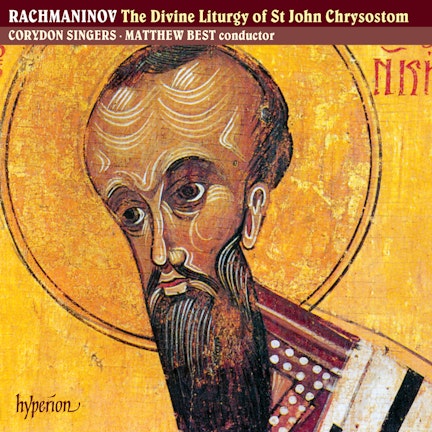
Rachmaninoff: The Divine Liturgy of St John Chrysostom