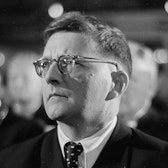
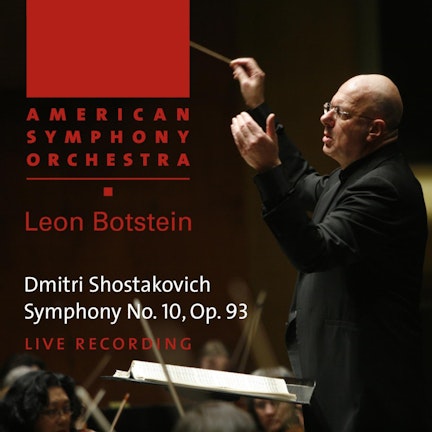
Shostakovich began composing his Symphony No. 10 in June 1953, shortly after the death of dictator Joseph Stalin in March of the same year.
Historical Context
Shostakovich became a "persona non grata" and an "enemy of the people" overnight after the publication of the article 'Chaos Instead of Music' in Pravda in January 1936.
Compositional Technique
In the second movement of Symphony No. 10, Shostakovich creates a portrait of dictator Stalin, depicting violence and suppression with dissonance.
Compositional Technique
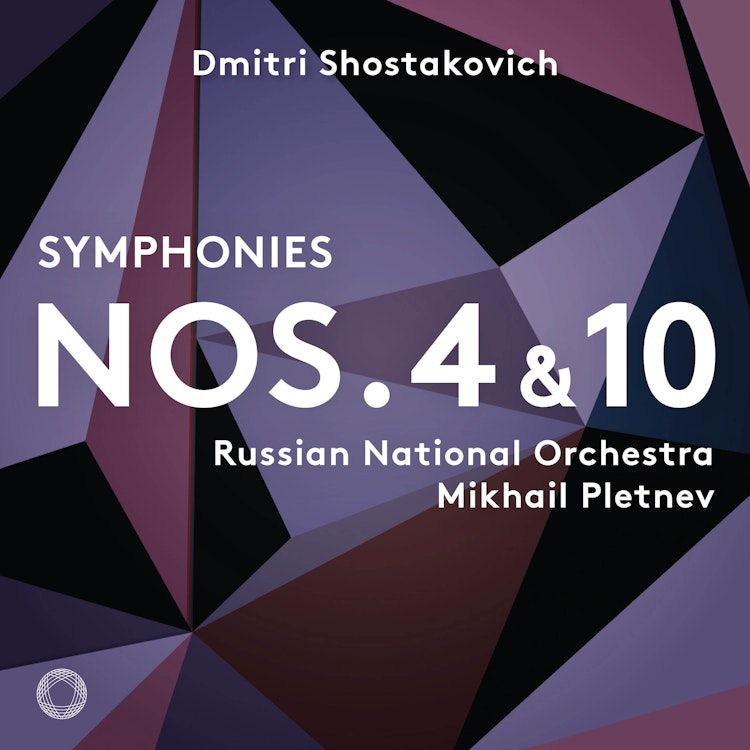
Shostakovich's Symphony No. 4 is a gigantic work demanding a double symphony orchestra, with two outer movements each lasting over 25 minutes.
Compositional Technique
Shostakovich's musical initials, D-Es-C-H (D-E flat-C-B in English), appear undisguised for the first time in the Allegretto of Symphony No. 10.
Performer Biography
Mikhail Pletnev, the conductor on this album, won the Gold Medal and First Prize at the 1978 Tchaikovsky International Piano Competition at age 21.
Composition History
Shostakovich's Symphony No. 4, which he considered his "absolute credo as a composer," was shelved for over 25 years due to the political climate in 1936.
You might also enjoy...
Shostakovich: Symphony No. 10 in E Minor, Op. 93 (1989 Live Recording)
Shostakovich: The Bedbug, Incidental Music, Op. 19
Shostakovich: Symphonies Nos. 5 & 9
Shostakovich: Symphony No. 5
Shostakovich: Symphony No. 9 in E-Flat Major, Op. 70