Shostakovich: Symphonies Nos. 6 & 7; Incidental Music to „King Lear”
2/22/2019, 19 Tracks, 2:12:09
Featuring
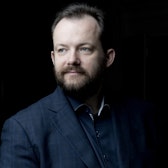
Andris Nelsons
William R. Hudgins
Boston Symphony Orchestra
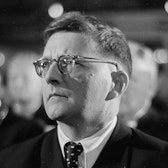
Dmitri Shostakovich
Did you know?
1/7
Composer Biography
Dmitri Shostakovich, the composer, experienced both triumph and terror in the late 1930s, having rescued his career after an official attack on his opera and living in constant fear under Stalin's regime.
Compositional Technique
The incidental music for 'King Lear' by Shostakovich features five short fanfares for two horns, two trumpets, and snare drum, creating a menacing atmosphere.
Historical Context
Shostakovich's Symphony No. 7, known as the 'Leningrad' Symphony, was largely composed during the catastrophic 900-day siege of Leningrad by Nazi forces in World War II.
Composition History
Shostakovich's Symphony No. 6, completed in 1939, was considered controversial due to its unusual structure: a long slow movement followed by two brief fast ones.
Historical Context
During 1937-38, a campaign to purge 'enemies of the people' in the Soviet Union led to mass arrests and executions, impacting some of Shostakovich's closest associates.
Cultural Impact
The 'Leningrad' Symphony became a potent symbol of resistance to Fascism after its American premiere in 1942, broadcast to millions and followed by numerous performances worldwide.
Composition History
The 'Festive Overture' was completed by Shostakovich in a matter of hours in 1954, one year after Stalin's death, for a Bolshoi Theater commission celebrating the anniversary of the Bolshevik Revolution.
You might also enjoy...
Stravinsky / Shostakovich
Tchaikovsky, Prokofiev & Shostakovich: Orchestral Works
Shostakovich, D.: Symphony No. 15 / Hamlet (Excerpts)
Elgar: Symphony No. 1; In the South; Pomp & Circumstance
Shostakovich: Complete Symphonies
Stokowski Plays the 20th Century
Brian: Symphonies Nos. 11 & 15
Glière: Symphonies Nos. 1-3
Bacevicius: Orchestral Music
Santoro: Symphonies Nos. 4 & 6
Stravinsky: Symphonies / Ode
Stravinsky: Oedipus Rex, Symphonies, Concertos, Ballets and other works