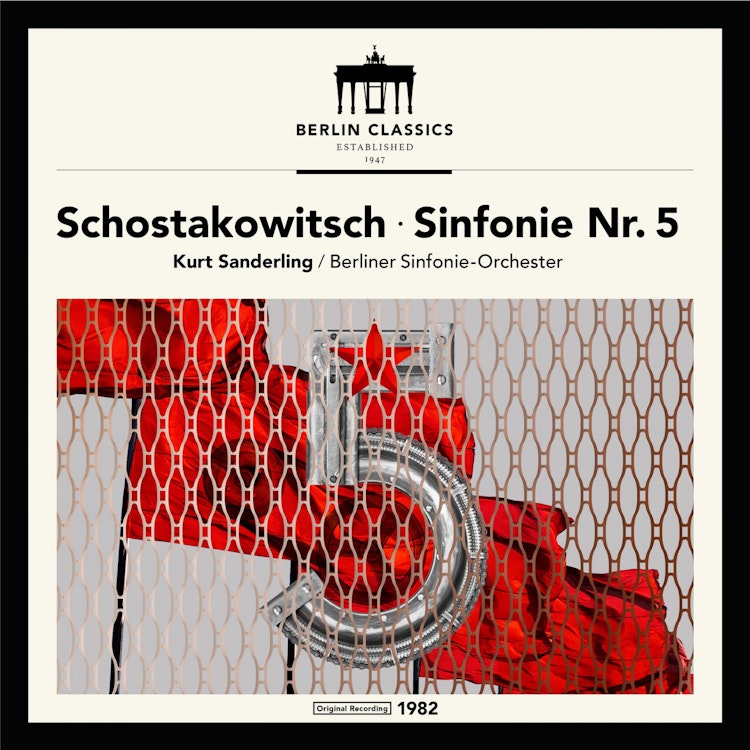
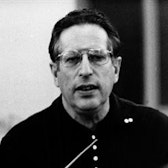
Conductor Kurt Sanderling believed the 'lust for life' portrayed in the scherzo of the Fifth Symphony was 'made to order,' and that something 'leaden, something forced' should be apparent in the interpretation.
Historical Context
Shostakovich's Fifth Symphony was written during the Great Stalinist Terror (1936-1938), a period when approximately 1.5 million people died.
Composer Biography
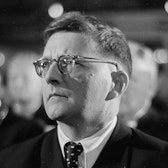
While working on the Fifth Symphony, Shostakovich's close friend Marshal Tukhachevsky was executed, his grandfather sent to a labor camp, and his sister and her husband were also persecuted.
Performer Biography
Kurt Sanderling, the conductor on this album, made it his life's mission to defend Shostakovich's symphonic works against false interpretations, having attended the acclaimed Moscow premiere of the Fifth Symphony in 1938.
Composition History
The Fifth Symphony was composed after Shostakovich's opera Lady Macbeth of the Mtsensk District received devastating criticism in the party organ Pravda, leading him to delay the premiere of his Fourth Symphony.
Critical Reception
The Fifth Symphony was enthusiastically received at its Leningrad premiere in 1937, conducted by Yevgeny Mravinsky, and quickly became a standard work of Soviet symphonic music.
Composer's Artistic Vision
Shostakovich called his Fifth Symphony 'autobiographical' and stated its theme was 'the emergence of personality,' aiming to show human beings with all their experiences.
You might also enjoy...
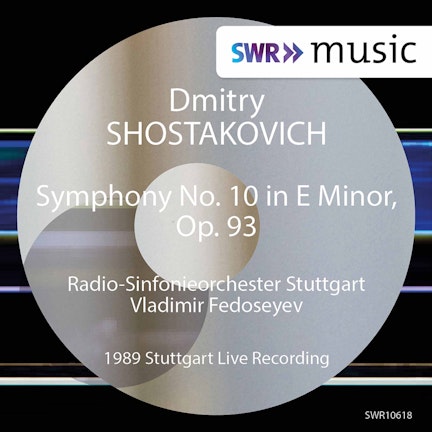
Shostakovich: Symphony No. 10 in E Minor, Op. 93 (1989 Live Recording)
Shostakovich: The Bedbug, Incidental Music, Op. 19
Shostakovich: Symphonies Nos. 5 & 9
Shostakovich: Symphony No. 5
Shostakovich: Symphony No. 9 in E-Flat Major, Op. 70