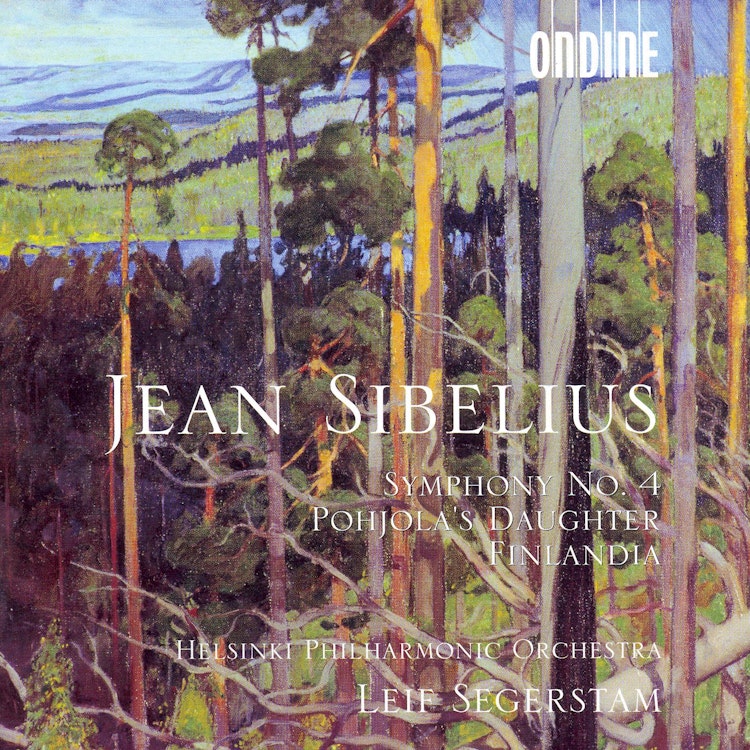
Sibelius, J.: Symphony No. 4 / Pohjola's Daughter / Finlandia
7/1/2005, 6 Tracks, 1:01:27
Featuring
Leif Segerstam
Helsinki Philharmonic Orchestra
The Polytech Choir
Jean Sibelius
Did you know?
1/7
Compositional Technique
The Fourth Symphony is considered the most austere and stylistically bold of all Sibelius's symphonies, characterized by subdued developments and an introvert mood with the lucidity of chamber music.
Composition History
Sibelius's Fourth Symphony was influenced by his personal fear of a relapse from a throat tumor diagnosed in 1908, and by the musical challenges of modernism.
Cultural Impact
Sibelius's Finlandia holds a special place in Finnish orchestral music as the most powerful and best-known musical expression of Finland's nationalist sentiments at the turn of the 20th century.
Critical Reception
Sibelius's Fourth Symphony was received with mixed emotions by audiences and critics at its 1911 premiere in Helsinki, and its first performances abroad also proved difficult.
Performer Biography
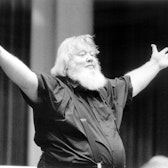
Leif Segerstam, the conductor on this album, is an internationally renowned Finnish conductor who has held chief conductor positions with several major orchestras and opera houses.
Composer's Artistic Vision
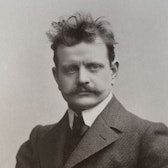
Jean Sibelius, the composer, viewed a symphony not as a conventional composition but as a "declaration of faith at various stages in one's life."
Compositional Technique
A central structural factor in Sibelius's Fourth Symphony is the use of the tritone, an augmented fourth interval, which introduces instability into the tonal environment.