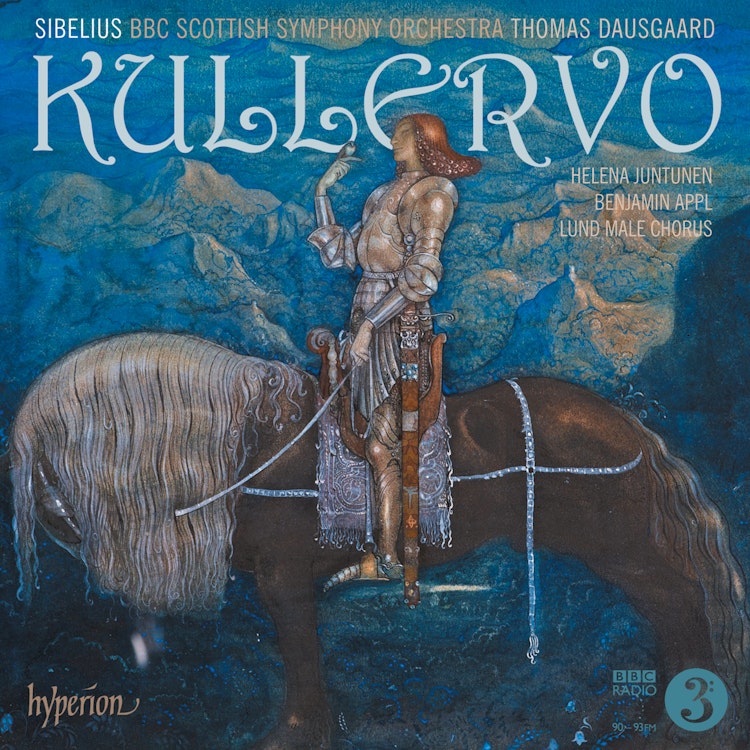
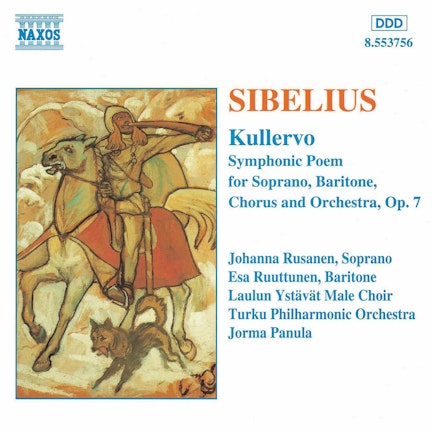
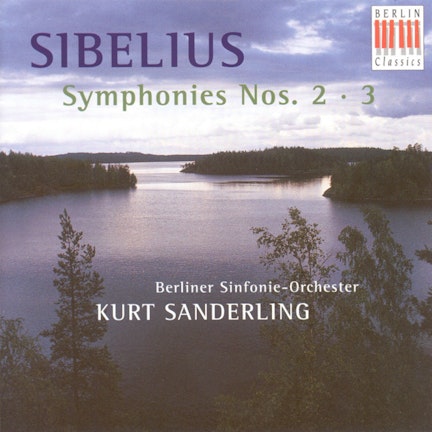
Sibelius described the Kalevala, the Finnish national epic that inspired Kullervo, as "pure music, themes and variations" and felt that "Finnish for me has become sacred."
Composition History
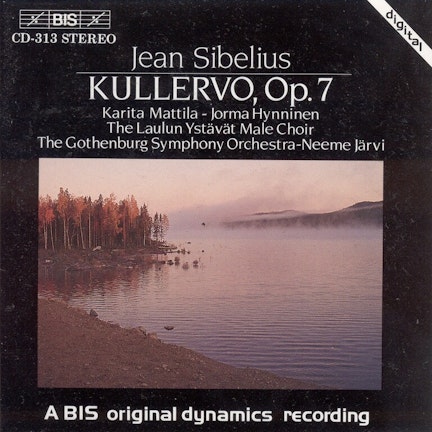
Sibelius's Kullervo symphony premiered on April 28, 1892, when the composer was twenty-six years old, and was conducted by Sibelius himself.
Historical Context
The premiere of Kullervo in 1892 held powerful political symbolism, as Finland was struggling for independence from its Russian rulers.
Critical Reception
The critical reception of Kullervo's premiere was unreservedly enthusiastic, with one critic proclaiming, "we recognize these tones as ours, even if we have never heard them as such."
Compositional Technique
The Kullervo symphony synthesizes indigenous folk idioms, echoes of Greek tragedy, Wagnerian music drama, and Brucknerian symphonic expansiveness.
Composer Biography
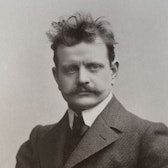
Sibelius, a Swedish-speaking Finn, began to study the Finnish national epic, the Kalevala, in its original language while studying in Vienna.
Performer Biography
Benjamin Appl, the baritone soloist on this recording, was mentored by Dietrich Fischer-Dieskau, one of the greatest Lieder singers of the twentieth century.