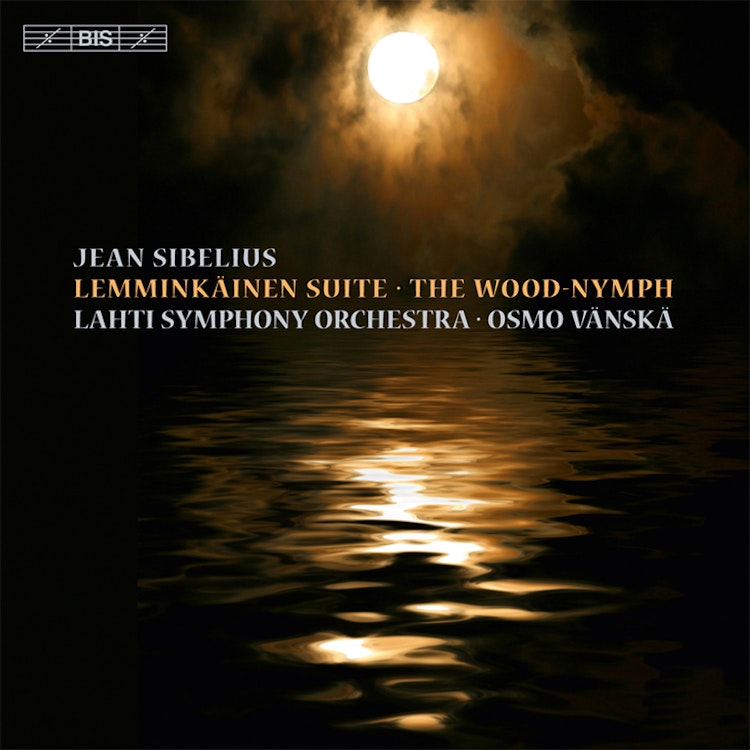
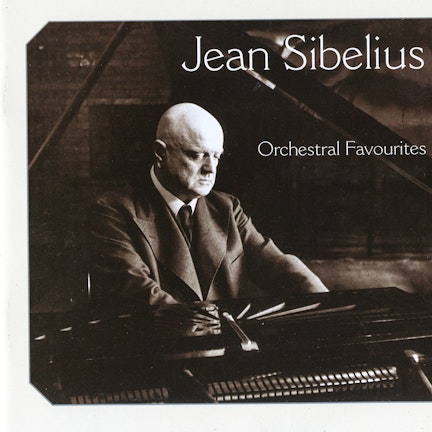
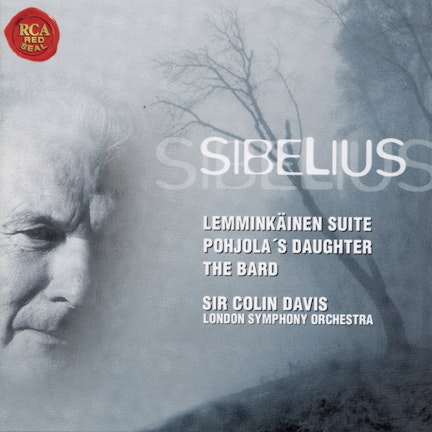
Sibelius's Skogsrået (The Wood-Nymph) was not published during his lifetime and fell out of his regular conducting repertory, with only one performance between 1899 and its triumphant resurrection in 1996.
Composer's Artistic Vision
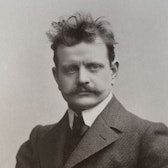
Sibelius considered himself a 'tone painter and poet,' aligning his approach to music with Franz Liszt's view of the symphonic poem.
Historical Context
These works by Jean Sibelius were composed in the 1890s when Finland, then an autonomous grand duchy of the Russian empire, experienced curtailment of its liberties.
Performer Biography
Osmo Vänskä, the conductor, began his professional music career as a clarinetist and has recently returned to playing the instrument.
Composer's Artistic Vision
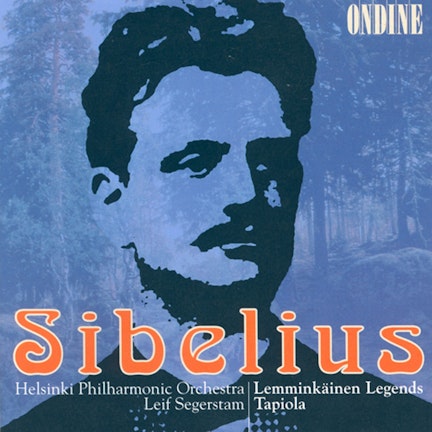
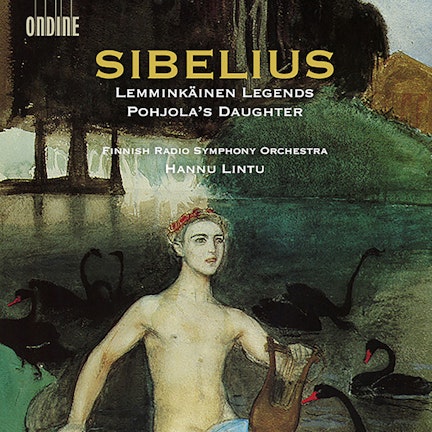
The inspiration for Sibelius's Lemminkäinen Suite comes from the Kalevala, the Finnish national epic, which became a symbol of national identity as Finland's autonomy was eroded by the Russians.
Recording & Production
The Lahti Symphony Orchestra, under Osmo Vänskä, has developed into one of Europe's most notable orchestras and is based at the wooden Sibelius Hall, known for its internationally renowned acoustics.
Composition History
Many musical ideas for the Lemminkäinen Suite were transferred from Sibelius's abandoned Kalevala-based operatic project, Veneen luominen (The Building of the Boat).