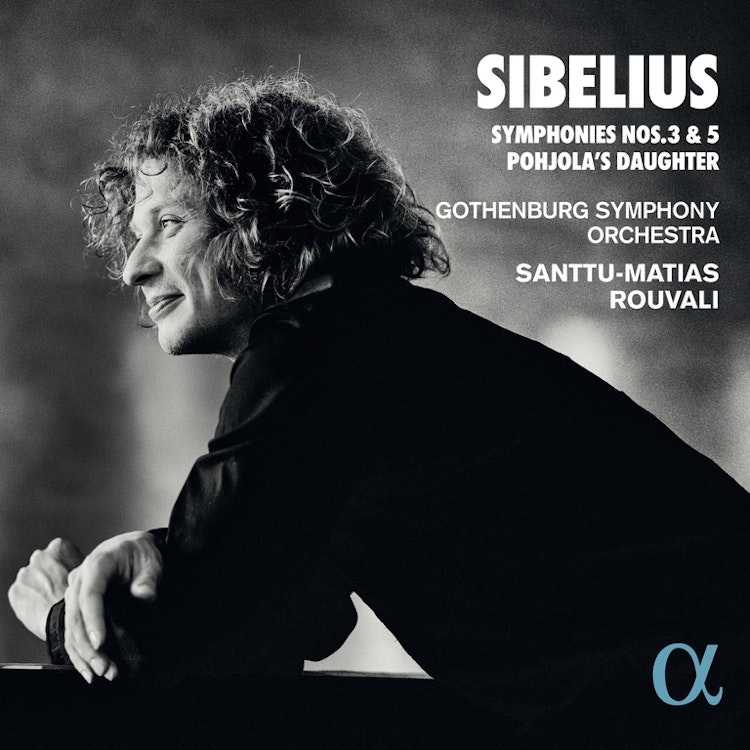
This album is part of a complete Sibelius Symphonies recording project with Santtu-Matias Rouvali and the Gothenburg Symphony Orchestra for Alpha Classics.
Compositional Technique
Sibelius reimagined the syntax of orchestral music by imitating the hypnotic, circular repetitions of Finland's musical storytelling tradition, known as rune singing.
Composer's Artistic Vision
Sibelius's move coincided with a development in his rationale as a composer, summarized by his remark to Gustav Mahler about "the profound logic that creates a connection between the motifs."
Performer Biography
Santtu-Matias Rouvali is the Chief Conductor of the Gothenburg Symphony since 2017 and also holds the position of Principal Conductor Designate of the Philharmonia Orchestra.
Historical Context
In the early 1910s, Finland faced political turmoil, with Russia strengthening its grip, suspending parliament, and suppressing the Finnish language, which affected Sibelius.
Composer Biography
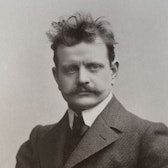
Jean Sibelius, the composer, moved from urban Helsinki to a bespoke villa on the shores of Lake Tuusula, leading to an "ecological awakening" that influenced his music.
Composition History
The main theme of Sibelius's Fifth Symphony was inspired by a flock of sixteen swans soaring upwards from Lake Tuusula, an experience he described as one of his greatest.
You might also enjoy...
Sibelius: Symphonies Nos. 5 & 7
Borodin: Symphonies Nos. 1-3
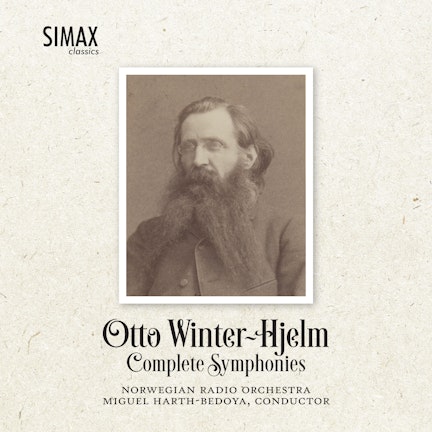
Otto Winter-Hjelm Complete Symphonies
Nielsen: Symphony No. 1 & Symphony No. 2
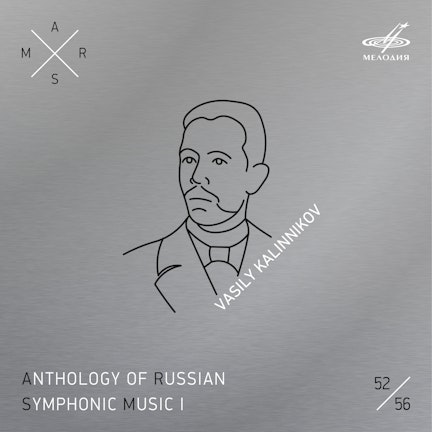
ARSM I, Vol. 52. Kalinnikov
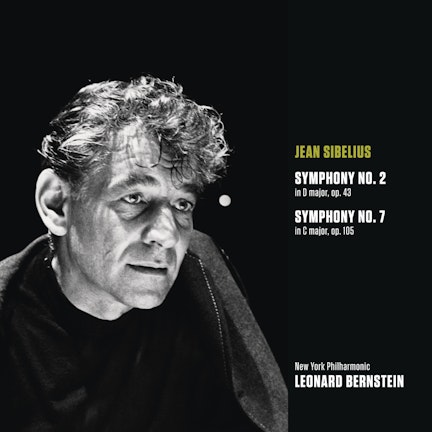
Sibelius: Symphony No. 2 in D major, op. 43; Symphony No. 7 in C Major, Op. 105
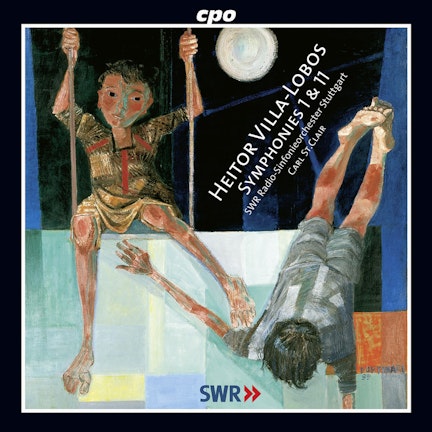
Heitor Villa-Lobos: Symphonies 1 & 11
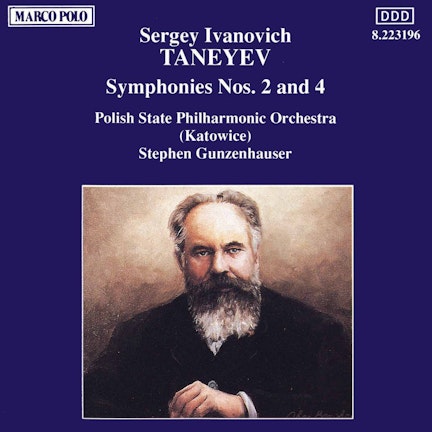
Taneyev, S. I.: Symphonies Nos. 2 and 4
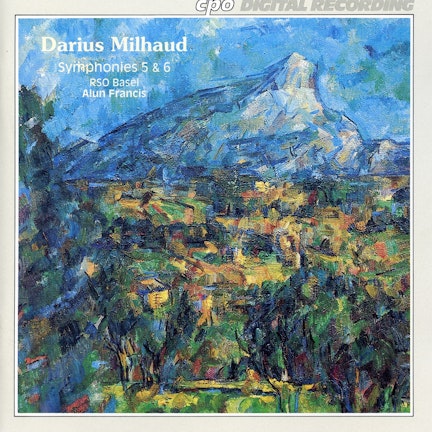
Milhaud: Symphonies 5 & 6
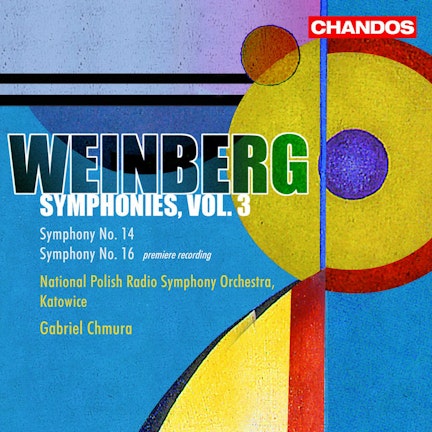
Weinberg: Symphonies, Vol. 3
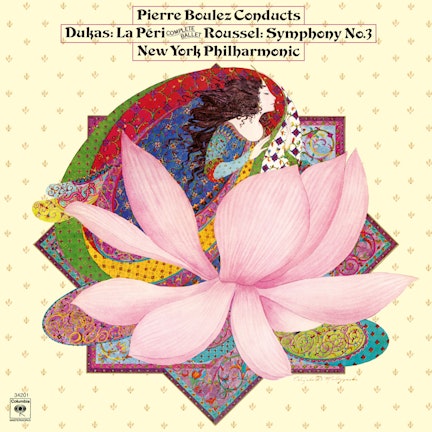
Dukas: La Péri - Roussel: Symphony No. 3 in G Minor, Op. 42