Sibelius's 7th Symphony features a recurring trombone melody, a 'motto' heard at three vital junctures, which transforms from faint and troubled to transcendent.
Compositional Technique
Sibelius's 6th Symphony uses the Dorian mode, which creates an aloof quality and allows for tension between the key of D and the standard C major scale.
Composer's Artistic Vision
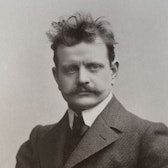
In his final symphonies, Jean Sibelius moved away from Austro-Germanic tradition, believing a symphony could end openly or inconclusively while still holding deep meaning.
Performer Biography
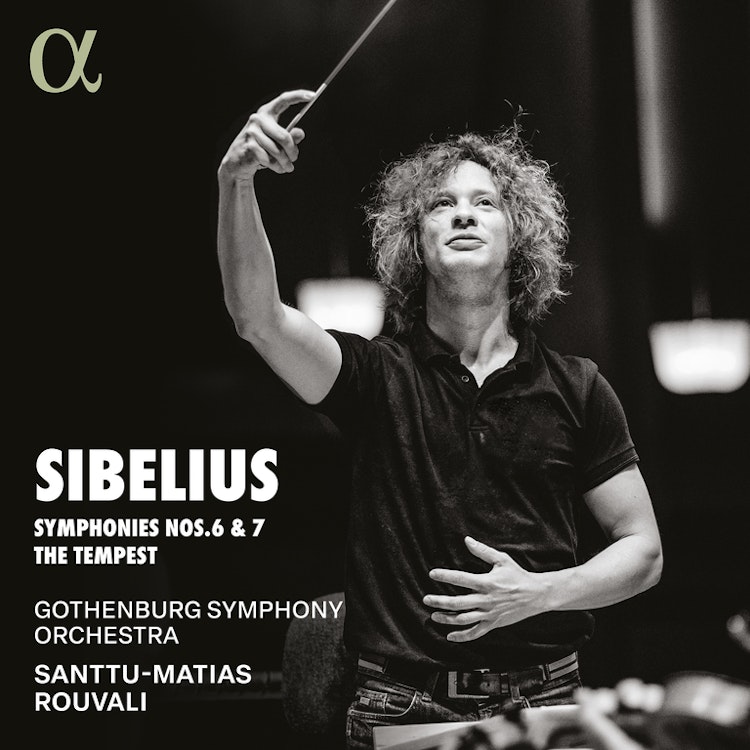
Santtu-Matias Rouvali, the conductor on this album, is Chief Conductor of the Gothenburg Symphony and the Philharmonia Orchestra in London, and is also a farmer and fisherman.
Composition History
Sibelius agreed to write music for a production of Shakespeare's 'The Tempest' in 1925-1926, finding the play's narrative ideal for his new sonic explorations.
Composition History
Sibelius worked on his 6th Symphony while struggling with financial difficulties, mourning his younger brother Christian, and battling a relapse into alcoholism.
Composer Biography
During the composition of his 7th Symphony, Sibelius's alcoholism led him to work through the night until losing consciousness from drunkenness or tiredness.
You might also enjoy...
Sibelius: Symphony No. 1, Op. 39
Sibelius: Symphony No. 1
Sibelius: Symphony No. 3 in C Major, Op. 52: I. Allegro moderato