Sibelius departed from traditional Germanic symphonic argument by allowing the unique colors and capabilities of instruments to shape his music, rather than composing as if for piano.
Performer Biography
Santtu-Matias Rouvali, hailed by The Guardian as a leading talent in Finnish conducting, serves as Chief Conductor of the Gothenburg Symphony and Principal Guest Conductor of the Philharmonia Orchestra.
Composition History
Sibelius initially conceived his First Symphony as programmatic, intending it to depict Finland's geology and the triumph of Christianity over paganism.
Composer's Artistic Vision
Sibelius considered En Saga to be a deeply personal work, stating almost 50 years later, "In none of my other works have I revealed myself so completely."
Historical Context
Sibelius's Symphony No. 1 premiered in April 1899, shortly after Czar Nicholas II issued the February Manifesto, which tightened Russia's control over Finland and stripped its parliament of legislative power.
Compositional Technique
The misty opening clarinet solo in Sibelius's First Symphony is not just an introduction; its theme infiltrates and can be detected in numerous fragments throughout the entire work.
Cultural Impact
Sibelius's orchestral work En Saga shares its title with an illustration by his brother-in-law, Eero Järnefelt, depicting a hunter and a cowering lynx in a snowy landscape.
You might also enjoy...
Sibelius: Symphony No. 2 & Andante Festivo
Sibelius: En Saga and Symphony No. 7
Sibelius: Sinfonie No. 3 / En Saga
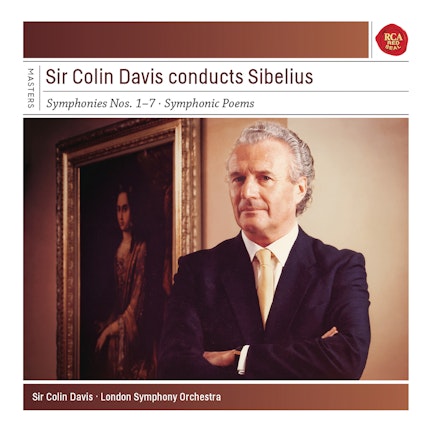
Colin Davis conducts Sibelius
Sibelius: Symphony No. 7
Sibelius: Complete Symphonies and Tone Poems
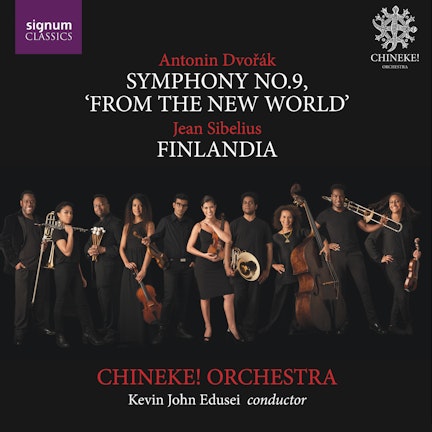
Dvořák:Symphony No. 9, From the New world - Sibelius: Finlandia
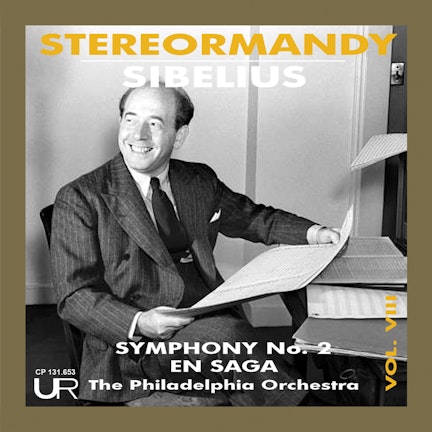
STEREORMANDY, Vol. VIII
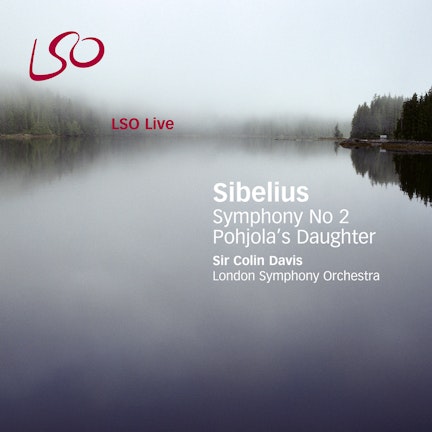
Sibelius: Pohjola's Daughter, Symphony No. 2
Sibelius: Sinfonie No. 4 / Nächtlicher Ritt und Sonnenaufgang